
When should you introduce CBD dog treats to your pet’s diet?
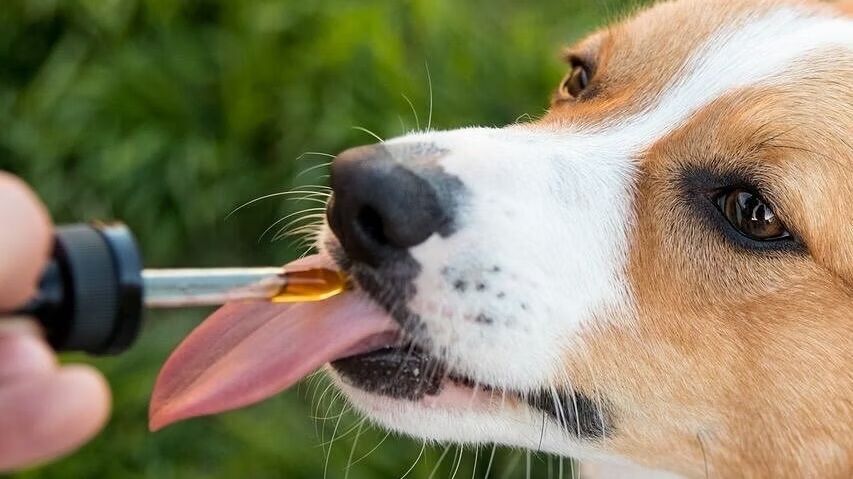
Pet owners nationwide increasingly seek natural alternatives for managing various canine health issues, with CBD pet treats Canada becoming more accessible through licensed retailers and veterinary clinics. The decision to begin supplementation should align with specific therapeutic goals rather than being introduced randomly or as a general wellness measure without clear objectives.
Age and developmental considerations
- Puppies under six months typically should not receive CBD supplementation because their endocannabinoid systems are still developing and may react unpredictably to external cannabinoids. Young dogs’ brains and nervous systems undergo rapid changes during early development that could be disrupted by prematurely introducing hemp-derived compounds.
- Senior dogs often present ideal candidates for CBD introduction due to age-related conditions like arthritis, cognitive decline, or chronic pain that may respond well to cannabinoid therapy. However, older dogs frequently take multiple medications that could interact with CBD, requiring veterinary review before beginning supplementation.
- Adult dogs between one and seven years old generally tolerate CBD introduction best when they have established health baselines and stable medication regimens. This age group typically experiences fewer complications from new supplements while benefiting from potential therapeutic effects.
Pre-existing health condition timing
- Dogs with epilepsy or seizure disorders require meticulous timing for CBD introduction because cannabidiol interacts with anti-seizure medications and potentially affects seizure frequency. Veterinary neurologists often recommend introducing CBD during stable periods when seizure activity is well-controlled rather than during active seizure clusters.
- Cardiac conditions in dogs may contraindicate CBD use or require specific timing relative to heart medications. Dogs with heart disease should never begin CBD supplementation without cardiologist approval and careful monitoring of blood pressure and heart rate responses.
- Liver disease significantly affects how dogs metabolise CBD, potentially leading to the accumulation of cannabinoids in the system. Dogs with hepatic conditions need specialised dosing protocols and may require delayed introduction until liver function stabilises.
Medical treatment coordination
- Surgical procedures create optimal windows for CBD introduction because post-operative pain and inflammation may respond well to cannabinoid therapy. CBD should be discontinued several days before surgery to prevent interactions with anaesthesia and pain medications.
- Chemotherapy patients often benefit from CBD introduction between treatment cycles when nausea and appetite issues peak, but drug interactions are minimised. Oncology veterinarians typically prefer to establish CBD effects during stable periods rather than concurrent with active cancer treatments.
- Vaccination schedules may influence CBD timing because immune system responses to vaccines could be affected by cannabinoid supplementation. Most veterinarians recommend avoiding new supplements within two weeks of scheduled vaccinations.
Monitoring and adjustment periods
Initial introduction requires two-week observation periods to assess individual responses and identify adverse reactions. During this time, pet owners should maintain detailed logs of behavioral changes, appetite variations, and any concerning symptoms that develop. Seasonal adjustments may be necessary because some dogs require higher CBD doses during stressful periods like thunderstorm season or lower doses during calm winter. Regular reassessment every three months helps optimize dosing for changing needs. Gradual discontinuation becomes necessary when dogs no longer require CBD support or when side effects develop. Tapering doses over one to two weeks prevents potential rebound anxiety or behavioral issues that might occur with abrupt cessation of supplementation.


