
Symbolic AI vs Machine Learning: Where Inference Engines Fit
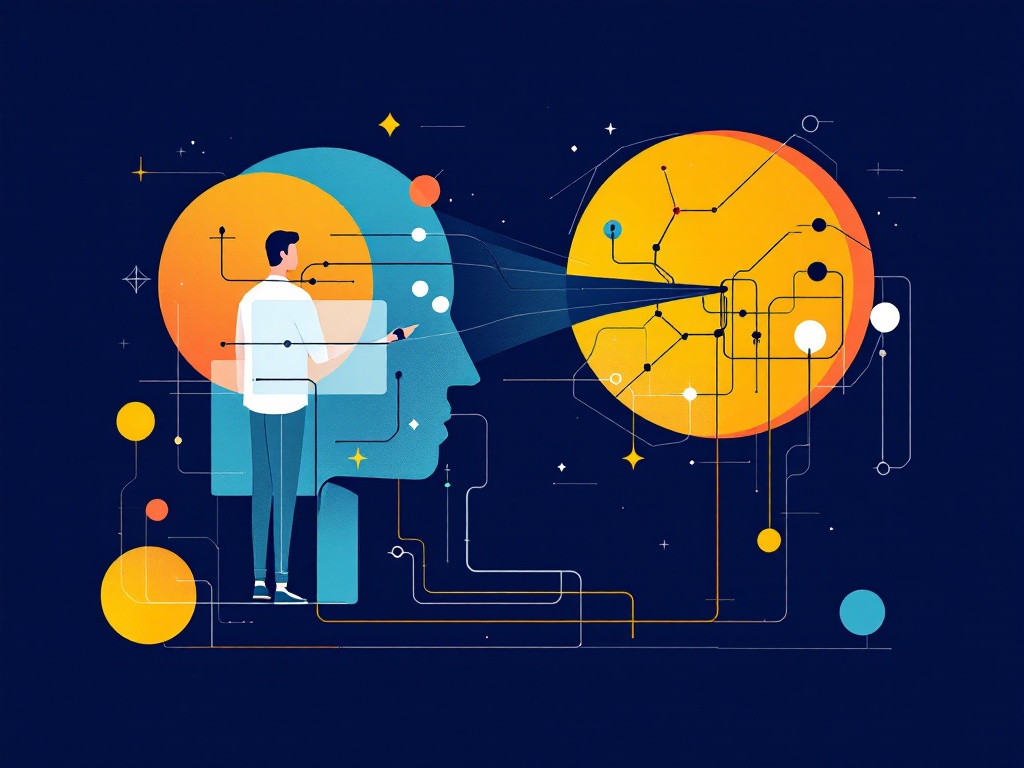
Artificial intelligence has developed in two major directions over the years: Symbolic AI and Machine Learning. Both approaches aim to make computers solve problems intelligently, but they work in very different ways. Inference engines play an important role in connecting these two worlds. Understanding how they fit into modern AI helps clarify when and why each approach is useful.
Two Paths to Artificial Intelligence
AI systems generally follow one of two fundamental methods for making decisions and solving problems.
1. Symbolic AI
Symbolic AI, also known as rule-based AI, relies on human-created logic and explicit knowledge. In this approach:
- Experts define rules and facts
- Systems use logical reasoning
- Decisions are transparent and explainable
- Knowledge is stored in structured formats
- Results are based on clear step-by-step logic
Early expert systems in medicine, finance, and engineering were built using symbolic AI.
2. Machine Learning
Machine learning takes a very different approach. Instead of relying on human-written rules, it learns patterns directly from data.
Key characteristics include:
- Models are trained on large datasets
- The system discovers relationships automatically
- Performance improves with more data
- Results are often statistical rather than logical
- Internal reasoning can be difficult to interpret
Most modern AI applications, such as image recognition and language translation, use machine learning techniques.
What Is an Inference Engine?
An inference engine is the reasoning component of a symbolic AI system. It applies logical rules to known facts to reach conclusions.
The main tasks of an inference engine are to:
- Analyse stored knowledge
- Apply “if–then” rules
- Draw new conclusions
- Solve problems step by step
- Provide explanations for decisions
In simple terms, an inference engine acts like the “brain” of a rule-based system.
Where Inference Engines Fit in Symbolic AI
Inference engines are at the core of symbolic AI. Without them, a knowledge base is just a collection of static information.
They enable systems to:
- Diagnose technical problems
- Recommend actions based on policies
- Answer logical questions
- Support expert decision-making
- Automate complex reasoning tasks
Because the reasoning process is rule-driven, users can clearly see how a conclusion was reached. This transparency is one of the biggest strengths of symbolic AI.
The Limitations of Each Approach
Both symbolic AI and machine learning have advantages, but they also have weaknesses.
1. Challenges of Symbolic AI
- Requires experts to manually create rules
- Difficult to scale for complex problems
- Struggles with uncertain or messy data
- Needs constant maintenance and updates
2. Challenges of Machine Learning
- Requires large amounts of training data
- Often behaves like a “black box.”
- Hard to explain decisions
- May produce biased or unpredictable results
These limitations have led researchers to explore ways to combine both approaches.
Bridging the Gap: Hybrid AI Systems
Modern AI development increasingly mixes machine learning with symbolic reasoning. This is where inference engines find a new and important role. For example, a machine learning model might identify medical symptoms, while an inference engine applies clinical rules to recommend a diagnosis.
Conclusion
Symbolic AI and machine learning represent two different philosophies of artificial intelligence. By using machine learning for perception and inference engines for reasoning, organisations can build smarter, more reliable, and more transparent AI solutions.


