Plating, Polishing, and Packing: The Journey of Jewelry in Wholesale Manufacturing

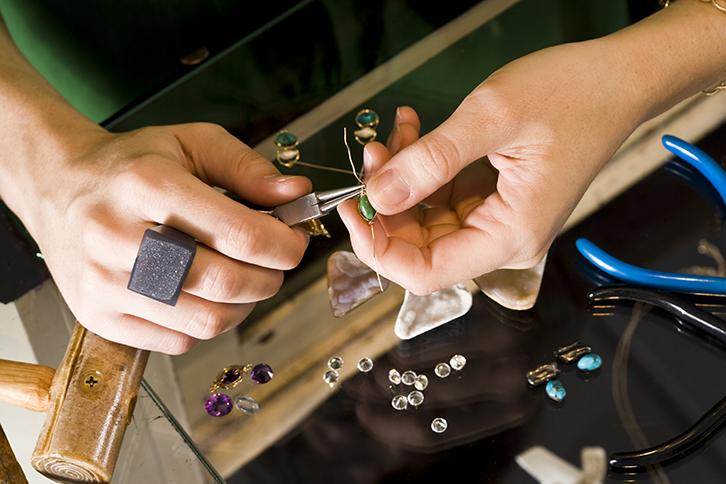
When it comes to jewelry manufacturing, there’s a lot that goes into making a piece of jewelry. From design to production, there are multiple steps involved in the process. One of the most important steps, however, is the journey the jewelry takes after it’s made. Plating, polishing, and packing are all crucial components in the journey of wholesale jewelry manufacturing. In this blog post, we’ll take a closer look at what each of these steps entails and how they contribute to the final product.
Plating:
Plating is the process of adding a thin layer of metal onto the surface of a piece of jewelry. The metal used for plating can vary depending on the piece, but the most common metals used for plating are gold and silver. When jewelry is plated, it not only gives the jewelry a different look, but it also provides a protective layer over the metal, preventing it from tarnishing or becoming damaged. In wholesale manufacturing, plating is essential to creating a final product that’s consistent and long-lasting. Without plating, jewelry can become tarnished more easily, which can ultimately lead to dissatisfaction among customers.
Polishing:
Once jewelry has been plated, it’s time for the polishing process. Polishing involves removing any imperfections from the jewelry, making it look as smooth and shiny as possible. The first step in the polishing process involves using a coarse abrasive to remove any excess metal or rough spots on the jewelry. Next, a finer abrasive is used to add shine and smoothness to the jewelry. Finally, a polishing compound is applied to the jewelry to give it a final sheen. Polishing is crucial for wholesale jewelry manufacturing because it not only improves the overall look of the product but also helps to remove any imperfections that may have occurred during the plating process.
Packing:
After the jewelry has been plated and polished, it’s time for packing. Packaging is the final step in creating a piece of jewelry that’s ready for wholesale. Typically, jewelry is packed individually in a plastic bag or pouch, and then it’s placed in a larger bag or box with other jewelry pieces. Packaging is important in wholesale jewelry manufacturing because it not only keeps the jewelry protected during transport, but it also makes it easier for retailers to distribute the jewelry to their stores. Additionally, packaging can be personalized with branding or logos, further enhancing the overall value of the product.
Jewelry has been a part of human culture for centuries and has evolved from simple beads and gemstones to intricate designs made from various metals and alloy mixes, all crafted to perfection. Behind every piece of jewelry on display, there is a long process of manufacturing that begins with design and ends with the finished product processed to perfection. This blog post explains the behind the scenes process of plating, polishing, and packing in wholesale jewelry manufacturing.
The jewelry manufacturing process involves many stages, and one of the essential stages is the plating process. The plating process helps add a layer of a precious metal like gold, silver, or platinum over the surface of the metal used to make the jewelry, adding to its aesthetic value. The first step of plating is to prepare the jewelry by cleaning and removing any impurities on its surface. Manufacturers use an ultrasonic cleaning solution to remove dirt and grime, followed by a mechanical cleaning process that polishes every nook and cranny. Next, the piece is given a thin layer of copper to help it adhere better to the final layer. Finally, the item is put through a process known as electroplating, where it is immersed in a solution containing the precious metal to be plated. A voltage is applied, triggering a chemical reaction that applies a thin, even layer of the precious metal all over the item’s surface.
After the plating process, the jewelry is moved to the polishing stage, where the finished product is honed and buffed to perfection. The polishing process is the step where all the blemishes and scratches on the surface of the jewelry are removed, giving it a shine that makes it stand out. A high-speed, rotating polishing wheel that has a soft, cotton buffing wheel attached is used to achieve this. The jewelry piece is held against the wheel, and the friction between the wheel and the metal removes any irregularities. The final step in this stage is to add a microfiber cloth to apply the finishing touch that leaves the piece shining and perfect.
The final stage in the wholesale jewelry manufacturing process is packaging. This stage is crucial since it is the stage where the jewelry product can be lost or damaged if not appropriately handled. Manufacturers take packaging seriously since a damaged product means lost revenue. When jewelry pieces come from the polishing shop, they are ready to be packaged to send to their new owners. Each piece has to be individually packed in a soft and padded tissue to prevent it from being scratched or damaged in storage or transport. Group packing is preferred to individual packing since it helps save time and reduces mistakes. However, the downside is that it increases the risk of pieces getting damaged.
Conclusion:
Plating, polishing, and packing are all important components of wholesale jewelry manufacturing. Each of these steps contributes to creating a final product that’s consistent, long-lasting, and visually appealing. By plating the jewelry, it’s protected from tarnish and damage, and by polishing the jewelry, it looks shiny and new. Finally, packaging keeps the jewelry safe during transport and enhances the value of the product. While these steps may seem small, they each play a vital role in creating a final product that can be sold to retailers and consumers alike. Without plating, polishing, and packing, wholesale jewelry wouldn’t be as high-quality or desirable as it is today.
Jewelry is a work of art that requires meticulous crafting, and wholesale jewelry manufacturing is no different. The process of plating, polishing, and packing is crucial to the final product’s success and value. Proper planning of each stage can make a big difference when it comes to the quality, durability, and final appearance of the jewelry, and ensuring proper handling during packaging can save revenue. At every point in the jewelry manufacturing process, perfection is key, and it is essential to work with skilled professionals in each stage to ensure the finished product is a masterpiece. Jewelry will continue to captivate and fascinate us, and the process of its creation will always be a fascinating journey.