MOT EV Benefit: Is This the Worst News for Petrol Cars?
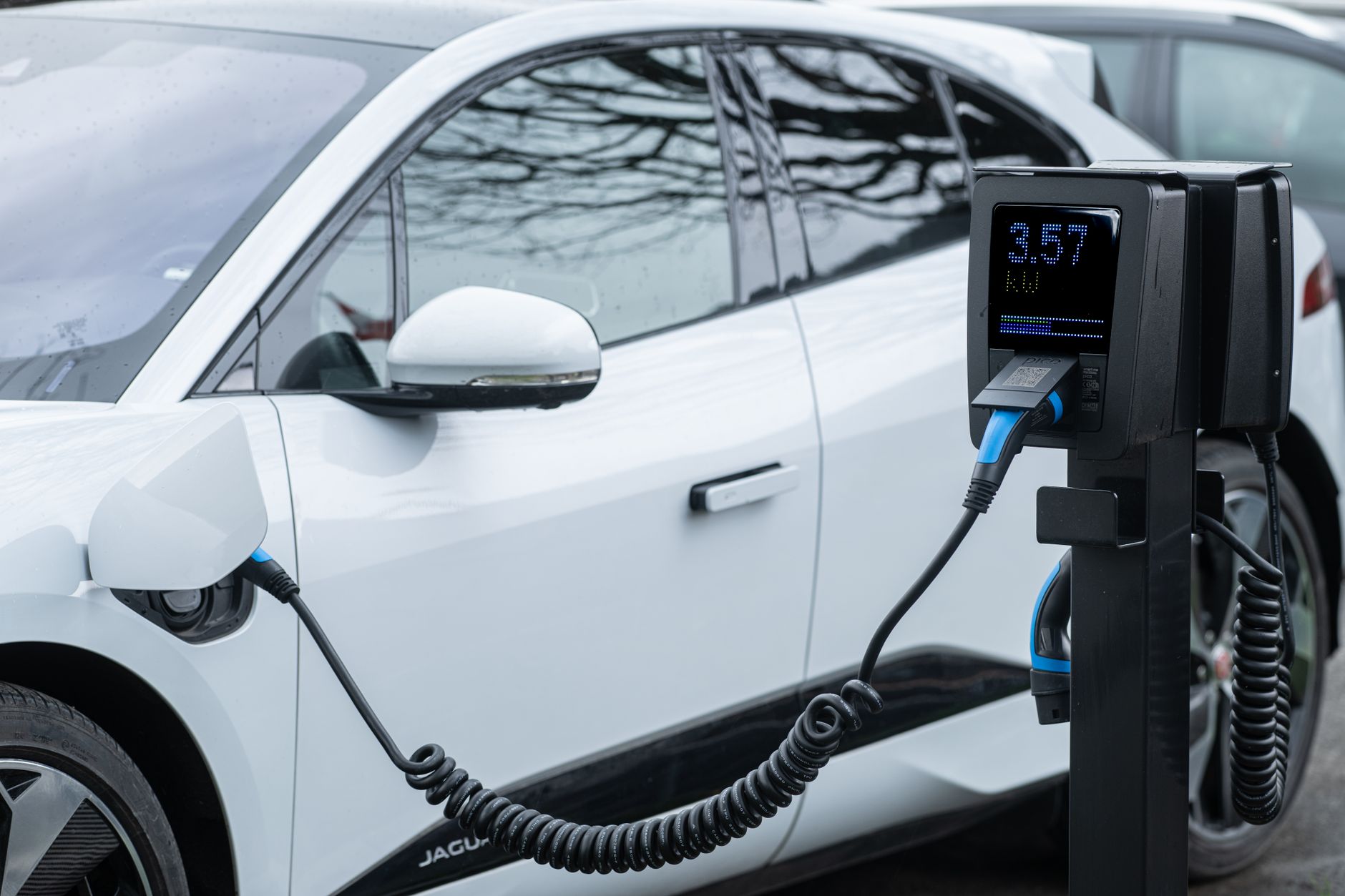
MOT EV benefit is a significant development for petrol cars, revealing crucial implications for their future on the roads. This news could change how consumers view their vehicle options.
What is the MOT EV benefit?
The MOT EV benefit refers to the advantages that electric vehicles (EVs) receive during the vehicle inspection process in the UK. As part of a broader initiative to promote cleaner transportation, electric cars are currently exempt from certain checks that petrol vehicles must undergo during their annual MOT tests.
This exemption is designed to encourage the transition to electric mobility by reducing the regulatory burden on EV owners. As a result, the MOT EV benefit can lead to lower maintenance costs and a smoother ownership experience for drivers of electric cars. Key aspects of this benefit include:
- No mandatory emissions testing for electric vehicles.
- Reduced likelihood of failing the MOT due to emissions-related issues.
- Potential financial incentives from the government or local authorities.
As authorities continue to prioritize eco-friendly options, the MOT EV benefit could have significant implications for the future of petrol cars.
Impact on petrol car sales
The recent announcement regarding the MOT EV benefit has sent shockwaves through the automotive industry, particularly affecting petrol car sales. As electric vehicles (EVs) gain more incentives, traditional petrol cars may find themselves facing significant challenges in the marketplace.
Many consumers are now re-evaluating their choices, motivated by the financial perks associated with electric vehicles. The MOT EV benefit not only reduces costs related to maintenance and inspections but also enhances the appeal of EVs over their petrol counterparts. This shift in consumer preference can be attributed to a combination of environmental concerns and economic advantages.
Several key factors influencing this trend include:
- Government incentives: Increased subsidies for EV purchases.
- Rising fuel prices: Making petrol cars less economical.
- Environmental regulations: Stricter rules favoring low-emission vehicles.
As the market evolves, petrol cars may struggle to maintain their previous foothold.
Consumer reactions to MOT changes
As news of the MOT EV benefit spread, consumer reactions have been mixed. Many electric vehicle (EV) owners expressed relief and support for the changes, viewing them as a necessary step towards promoting greener transportation.
- Positive feedback: Some consumers highlighted the financial advantages of owning an EV, emphasizing lower maintenance costs and potential tax benefits.
- Concerns among petrol car owners: Conversely, drivers of petrol vehicles voiced frustration, worried that the new MOT regulations could further diminish the resale value of their cars.
- Environmental awareness: A segment of the population acknowledged the importance of reducing emissions, suggesting that the MOT EV benefit could encourage more drivers to switch to electric alternatives.
Overall, the public discourse reflects a growing divide between traditional petrol car enthusiasts and advocates for sustainable transportation, indicating a pivotal moment in the automotive industry.
Future of electric vehicles
The future of electric vehicles (EVs) appears increasingly promising as the MOT EV benefit reshapes the automotive landscape. With the recent announcement of changes to the MOT testing process, electric vehicles are set to gain a significant edge over their petrol counterparts. This shift not only encourages consumers to consider EVs but also highlights the growing commitment to sustainable transportation.
Experts predict several key trends in the coming years:
- Increased adoption: As the benefits of owning an EV become clearer, more drivers are likely to transition away from petrol vehicles.
- Improved infrastructure: Governments are investing heavily in charging stations, making EV ownership more practical.
- Technological advancements: Ongoing innovations in battery technology promise longer ranges and quicker charging times.
As the MOT EV benefit unfolds, it represents not just a policy change, but a significant cultural shift toward greener alternatives.
Government policies on emissions
The recent announcement regarding government policies on emissions has caused significant concern among petrol car owners. As part of the ongoing shift towards greener alternatives, the introduction of the MOT EV benefit aims to encourage the use of electric vehicles (EVs) while imposing stricter regulations on traditional petrol cars.
These policies include:
- Increased emissions targets: The government has set ambitious goals for reducing carbon footprints, which directly affect petrol vehicle compliance.
- Incentives for EV adoption: Financial benefits are now available for those switching to electric models, making them more appealing compared to petrol cars.
- Potential fines: Petrol car owners may face penalties for failing to meet new emissions standards, further discouraging their use.
As the MOT EV benefit gains traction, it is clear that these policies are strategically designed to accelerate the transition to electric vehicles, leaving petrol cars facing an uncertain future.
Comparing petrol and EV costs
The financial implications of the MOT EV benefit are becoming increasingly evident as consumers weigh the costs of petrol vehicles against electric counterparts.
While the initial purchase price of electric vehicles (EVs) can be higher, the long-term savings associated with maintenance and fuel costs are significant. Here are some key points to consider:
- Fuel Costs: EVs typically have lower running costs due to cheaper electricity prices compared to petrol.
- Maintenance: Electric vehicles often require less maintenance, leading to reduced service costs over time.
- Incentives: Governments frequently offer incentives for EV purchases, further lowering the overall cost for consumers.
As the MOT EV benefit becomes more prevalent, traditional petrol cars may face increased financial burdens, making them less attractive to buyers. This shift in the automotive landscape could signal a significant transition in consumer preferences towards electric vehicles.
Expert opinions on the transition
Experts in the automotive industry are weighing in on the recent announcement regarding the MOT EV benefit and its potential ramifications for petrol cars. Many believe that this transition will accelerate the shift towards electric vehicles (EVs), making petrol cars less desirable. Dr. Emily Carter, an automotive analyst, stated, “The MOT EV benefit signifies a pivotal moment in our journey towards sustainable transportation. It incentivizes consumers to consider EVs over traditional petrol vehicles.”
Conversely, some industry veterans express concern about the implications for drivers who prefer petrol cars. Mark Thompson, a veteran car dealer, noted, “While the MOT EV benefit promotes eco-friendly options, it may leave petrol car owners feeling marginalized in the market.”
As the landscape evolves, the consensus is clear: the MOT EV benefit will likely reshape consumer preferences and influence future automotive trends. The transition may not be smooth for all, but the push for greener alternatives is undeniably gaining momentum.
Conclusion: The road ahead for petrol cars
As the automotive industry shifts towards sustainability, the MOT EV benefit poses significant challenges for petrol cars. With the increasing incentives for electric vehicle ownership, traditional petrol engines are losing ground in both consumer preference and market viability. The government’s focus on reducing emissions has already led to tighter regulations and an emphasis on greener technologies.
Amidst these changes, petrol car manufacturers must reconsider their strategies and potentially invest in hybrid and electric technologies to stay relevant. Consumers are becoming more aware of the long-term savings and environmental impact of EVs, which could further diminish the appeal of petrol cars.
Ultimately, the transition to electric vehicles is not just a fleeting trend but a fundamental shift in the automotive landscape. While petrol cars may still have a presence on the roads, the future clearly favors electric, leaving petrol car enthusiasts to ponder what lies ahead.
Photo by smart-me AG on Pexels