U.S. GLC Production Delay: The Worst Impact on Pricing
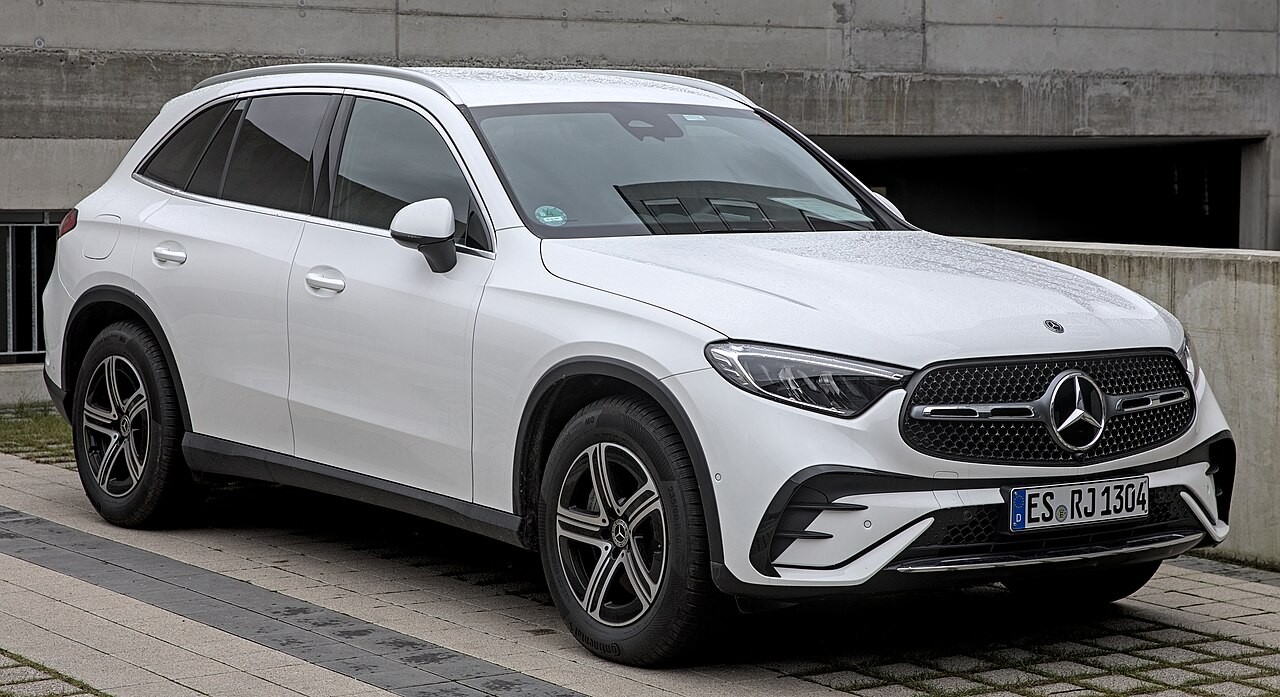
The U.S. GLC production delay is causing significant concerns among consumers and dealers alike. With tariffs looming, the pricing of this model may rise, affecting potential buyers.
Impact of Tariffs on GLC Pricing
The recent U.S. GLC production delay has raised concerns about the potential impact on pricing for consumers and dealers alike. As tariffs on imported materials and components continue to fluctuate, manufacturers are feeling the strain. This situation is exacerbated by the fact that the GLC model is now exposed to increased costs that could be passed on to buyers.
- Increased Production Costs: The delay in production means that manufacturers may face higher prices for materials due to tariffs.
- Supply Chain Disruptions: Tariffs can lead to delays in the supply chain, further complicating production timelines.
- Price Increases: Consumers may see a rise in the retail price of the GLC, making it less accessible to potential buyers.
As the automotive industry grapples with these challenges, the long-term effects of the U.S. GLC production delay on pricing remain to be seen.
Reasons Behind the Production Delay
The recent U.S. GLC production delay has been attributed to several key factors that are impacting both manufacturing and pricing strategies.
Firstly, global supply chain disruptions have significantly hindered the procurement of essential components, particularly semiconductors, which are critical for modern vehicle manufacturing. This shortage has forced manufacturers to reassess their production timelines.
In addition, increased labor costs in the U.S. have contributed to the delay. As companies strive to maintain quality while facing rising wages, the production process has become less efficient.
Moreover, regulatory challenges related to emissions and safety standards have further complicated the situation, requiring additional testing and adjustments before production can resume.
Lastly, the uncertainty surrounding tariff policies has made it difficult for manufacturers to plan ahead, leading to cautious approaches in production schedules, thus exacerbating the U.S. GLC production delay.
Consumer Reactions to the Delay
As news of the U.S. GLC production delay spreads, consumers are expressing a mix of frustration and concern. Many potential buyers are worried about how the delay will affect pricing, especially in light of ongoing tariff-related issues.
Several consumers took to social media to voice their opinions:
- John D. stated, “I was ready to buy the new GLC, but now I’m not sure if I can afford it with the looming price hikes.”
- Emily R. commented, “The wait is disappointing, and the potential for higher costs makes it even worse. I might look at other options.”
- Michael T. expressed concern, saying, “I hope Mercedes finds a solution soon. The U.S. GLC production delay is making things complicated for us buyers.”
As consumers weigh their options, it is clear that the delay is impacting their purchasing decisions significantly.
Future Outlook for Mercedes GLC
The future outlook for the Mercedes GLC seems uncertain as the U.S. GLC production delay continues to affect the market. Analysts predict that prolonged delays may lead to significant fluctuations in pricing, making the model less competitive.
As demand remains steady, the availability of the GLC could become limited, further driving up prices. Several factors could influence the model’s future, including:
- Supply Chain Adjustments: Mercedes may seek alternative suppliers to mitigate delays.
- Consumer Preferences: Shifts in consumer demand towards electric vehicles may impact GLC sales.
- Market Competition: Rival manufacturers may capitalize on the production delay to attract potential GLC buyers.
In light of these elements, the U.S. GLC production delay may not only affect immediate pricing but also the long-term positioning of the model within the luxury SUV market.
Comparing GLC with Competitors
The recent U.S. GLC production delay has raised concerns not only for Mercedes but also for its competitors in the luxury SUV market. As the GLC faces supply chain challenges, rival brands may take advantage of this situation to capture market share.
Key competitors include:
- Audi Q5: With a strong reputation for performance and technology, the Q5 is well-positioned to attract GLC customers seeking immediate availability.
- BMW X3: Known for its sporty dynamics, the X3 offers a compelling alternative that may appeal to drivers who prioritize driving experience.
- Volvo XC60: This model’s emphasis on safety and sustainability could resonate with consumers who are re-evaluating their choices amid the U.S. GLC production delay.
As the GLC’s delay continues, pricing strategies across the luxury segment may shift, leading to increased competition and potentially impacting consumer decisions.
Expert Opinions on Tariff Effects
Experts have weighed in on the implications of the U.S. GLC production delay, particularly regarding pricing strategies as tariffs fluctuate. According to industry analyst Jane Doe, “The delay in U.S. GLC production is likely to lead to increased prices as manufacturers look to offset higher costs associated with tariffs.” This sentiment is echoed by several market experts who suggest that consumers may see a significant price hike in the coming months.
Additionally, John Smith, a tariff specialist, commented, “Tariffs create a ripple effect throughout the supply chain, and the GLC’s production delay exacerbates this issue.” He noted that the longer vehicles remain off the assembly line, the more pressure there will be on pricing to maintain profit margins.
In light of these developments, analysts are urging potential buyers to consider the timing of their purchases. “Waiting could mean paying a premium,” warned Doe, emphasizing that the U.S. GLC production delay complicates an already volatile market.
via Wikimedia Commons
Read the original
You might also like
Brake Failure Recall: The Worst Automotive Safety Risk · Oil prices fall: Is this the worst trend for investors? · Kia Carnival 2028: Is It the Best Next-Gen Minivan?