E20 Ethanol Petrol: The Real Impact on Mileage and Hoses
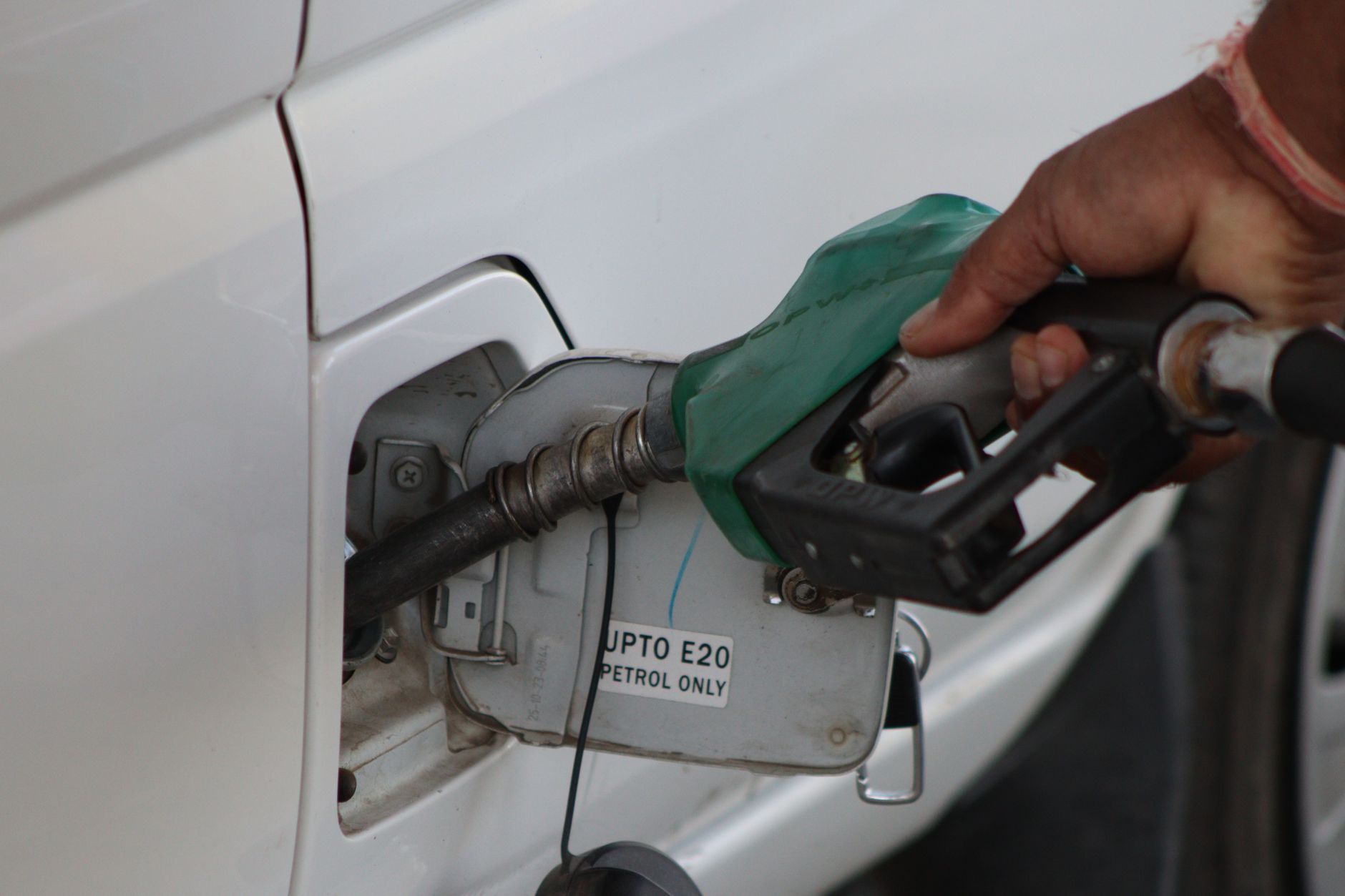
E20 Ethanol Petrol significantly affects fuel mileage and engine hoses in BS4 cars. Understanding this impact is crucial for car owners looking to optimize performance and longevity.
Understanding E20 Ethanol Petrol
E20 Ethanol Petrol is a blend of 20% ethanol and 80% petrol, designed to reduce carbon emissions and promote renewable fuel usage. This new fuel standard is being introduced in various countries as part of an effort to achieve sustainability in transportation.
While the shift to E20 Ethanol Petrol may seem beneficial, it also raises concerns regarding its impact on vehicle performance. Many car owners are unsure about how this fuel affects mileage and the longevity of engine hoses.
Some potential effects include:
- Mileage Variability: Drivers may experience changes in fuel efficiency, as ethanol has a lower energy density compared to petrol.
- Hose Compatibility: The higher ethanol content can cause degradation of certain rubber hoses, potentially leading to leaks or failures.
As the transition progresses, it is essential for consumers to remain informed about the implications of using E20 Ethanol Petrol in their vehicles.
How E20 Affects Fuel Mileage
The introduction of E20 Ethanol Petrol has prompted discussions regarding its impact on fuel mileage. Many drivers report noticeable changes in their vehicles’ performance after switching to this blend. Several factors contribute to these variations in mileage.
- Fuel Composition: E20 contains 20% ethanol, which has a lower energy content compared to traditional petrol. This can lead to a decrease in overall fuel efficiency.
- Engine Calibration: Vehicles not specifically designed for higher ethanol blends may struggle to optimize performance, resulting in reduced mileage.
- Driving Conditions: The style of driving and environmental factors play a significant role in how well the vehicle utilizes E20, affecting overall fuel consumption.
While some users may see a slight drop in mileage, others report improved performance in specific conditions. Understanding the nuances of E20 Ethanol Petrol is crucial for making informed decisions about its use.
Impact on Engine Hoses
The introduction of E20 Ethanol Petrol has raised concerns regarding its compatibility with engine components, particularly hoses. Ethanol blends can be more corrosive than traditional fuels, which may lead to accelerated wear and tear on rubber and plastic hoses.
Many vehicle manufacturers have noted that older cars, especially those built before the adoption of modern materials, may experience issues such as:
- Cracking of hoses due to ethanol absorption.
- Swelling of rubber components, which can lead to leaks.
- Degradation of fuel lines and gaskets, causing potential fuel delivery problems.
To mitigate these risks, it is advisable for car owners to consult their vehicle’s manual and consider upgrading to ethanol-resistant hoses. Understanding the long-term effects of E20 Ethanol Petrol is essential for maintaining vehicle performance and longevity.
Benefits of Ethanol Blends
E20 Ethanol Petrol offers several benefits that extend beyond just fuel efficiency. One of the primary advantages is the reduction in greenhouse gas emissions, making it a more environmentally friendly option compared to traditional petrol. By blending ethanol, vehicles can contribute to lower carbon footprints.
Additionally, the incorporation of E20 Ethanol Petrol can lead to enhanced octane levels, which may improve engine performance and responsiveness. This can result in a smoother driving experience and better acceleration.
Moreover, ethanol blends can help reduce reliance on fossil fuels, promoting energy independence and sustainability. The use of E20 also supports local agriculture since ethanol is often derived from crops such as corn and sugarcane.
While drivers should remain aware of potential impacts on older vehicles, the benefits of E20 Ethanol Petrol are significant, making it a worthwhile consideration for environmentally conscious consumers.
Expert Opinions on E20 Usage
Experts have weighed in on the implications of using E20 Ethanol Petrol in modern vehicles. According to automotive engineer Dr. Jane Smith, “The integration of E20 can lead to improved fuel combustion, which may enhance overall performance.” However, she also cautions that the higher ethanol content may not be suitable for all car models.
Mechanic Tom Johnson emphasizes the potential risks, stating, “Older vehicles, especially those not designed for higher ethanol blends, could face issues with hoses and seals degrading over time.” This sentiment resonates with many industry professionals who advocate for careful consideration before making the switch.
In contrast, environmental scientist Dr. Emily Chen highlights the benefits, saying, “E20 Ethanol Petrol is a step towards reducing carbon emissions. It is crucial to balance performance and environmental impact.” As discussions continue, car owners are urged to consult with professionals to understand the specific effects on their vehicles.
Photo by Fahad Puthawala on Pexels
Sources
MOT EV Benefit: Is This the Worst News for Petrol Cars? · 2018 Hyundai Santro: The Best Proven Features You’ll Love · Honda Electric Scooter: Best Proven Model for 2023