
Innovative Systems for Reducing Lead and Heavy Metals in Water
Access to clean and safe drinking water is one of the most fundamental human rights, yet many regions around the world still struggle with contamination, particularly from hazardous elements like lead and heavy metals. These contaminants can have serious health consequences, especially for vulnerable populations such as children, pregnant women, and the elderly. As concerns about water quality continue to grow, innovative technologies are emerging that focus on effectively removing these harmful substances from water sources. These advancements are vital for protecting public health and ensuring that communities have access to safe, clean water. This article explores the cutting-edge systems designed to reduce lead and heavy metals, emphasizing their importance for both environmental and public health.
Advanced Filtration Technologies
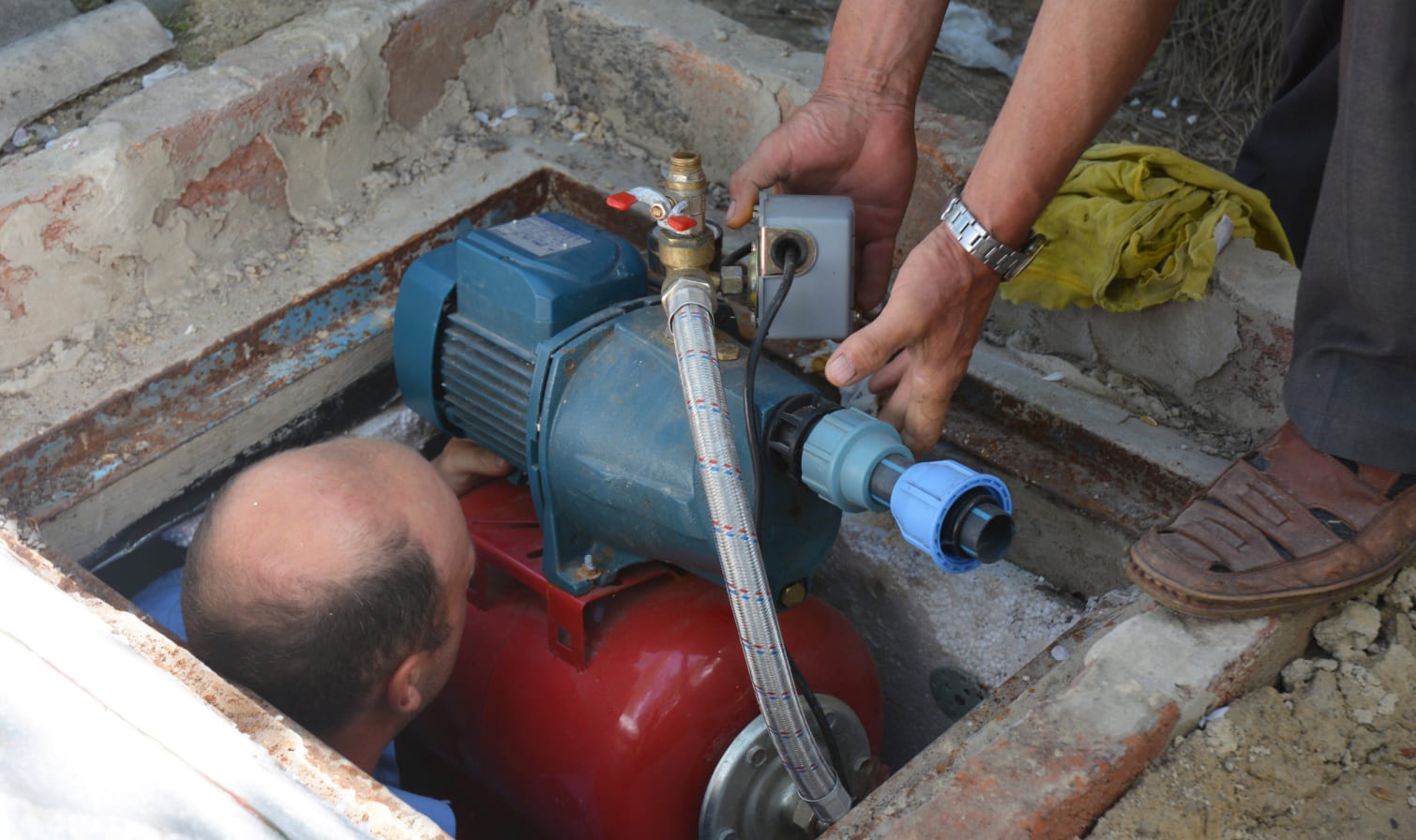
One of the most effective methods for removing heavy metals and lead from drinking water is through advanced filtration systems. With the help of a well pump installer, these systems utilize highly specialized materials, such as activated carbon, reverse osmosis membranes, and ion exchange resins, which have been designed to trap and remove even the smallest particles of contaminants. As water flows through these materials, the harmful elements are attracted and retained, while clean water passes through unaffected. These technologies are particularly effective at addressing a wide range of contaminants, providing a reliable and consistent method of purification. In addition to their ability to remove heavy metals, some filtration systems are designed to also eliminate other pollutants like chlorine, bacteria, and pesticides, providing an all-around solution to water quality issues. The continued development of these filtration systems ensures that they are becoming more efficient, affordable, and accessible to both households and municipalities, making them a crucial tool for ensuring safe drinking water for all.
Chemical Treatment Solutions
Another approach to removing lead and heavy metals from water involves chemical treatments that break down contaminants or bind them to particles that can then be removed. For instance, coagulants and flocculants are often added to water supplies to encourage contaminants to bind together into larger particles, making it easier to remove them through filtration or settling. These chemicals work by altering the chemical composition of the water, which causes heavy metals to form aggregates that can be physically removed from the water. Additionally, some chemical treatments use specific compounds to react directly to lead or other metals, neutralizing their harmful effects. The ability to tailor chemical treatments to specific contaminants is one of the primary advantages of this method, allowing precise and targeted purification. While this approach is highly effective in certain situations, it requires careful monitoring to ensure that the treatment process does not introduce new risks or complications, highlighting the importance of expert knowledge and regulation in implementing these solutions.
Natural Filtration and Remediation Methods
For regions where access to modern filtration systems may be limited or impractical, natural filtration and remediation methods offer a viable alternative. These techniques often rely on the inherent properties of certain materials or processes to remove contaminants from water. For example, certain plants, such as water hyacinth, have been found to absorb and accumulate heavy metals from water, effectively acting as natural filters. Similarly, bioremediation techniques, which use microorganisms to break down or neutralize pollutants, are being increasingly explored as an environmentally friendly solution. These methods can be particularly useful in larger-scale environmental remediation projects, such as cleaning contaminated rivers or lakes, where conventional filtration may be too expensive or logistically challenging. While natural methods are still being researched and refined, they offer the potential for low-cost, sustainable alternatives to traditional water treatment systems. By incorporating the well pump and tanks into the broader toolkit of water purification, we can address contamination issues on a larger scale while minimizing environmental impact.
Real-Time Monitoring and Smart Systems
In addition to improving the technologies that directly remove contaminants from water, advances in real-time monitoring and smart systems are enhancing our ability to detect and address water quality issues as they arise. These systems use sensors and data analytics to continuously monitor the concentration of lead and heavy metals in water, providing immediate feedback and allowing for quick action if contamination levels exceed safe thresholds. By integrating these smart systems with existing filtration and treatment infrastructure, water utilities can respond to contamination more effectively, adjusting treatment processes in real-time to ensure water quality is consistently maintained. Moreover, these technologies can predict potential contamination events based on environmental data, such as rainfall or industrial activity, allowing for proactive measures to prevent harmful exposure before it happens. The combination of advanced filtration, chemical treatments, and real-time monitoring represents a comprehensive, cutting-edge approach to addressing water contamination and ensuring the safety of drinking water supplies in both urban and rural areas.
Conclusion
As the global demand for clean and safe water continues to grow, innovative systems for removing lead and heavy metals are becoming an essential part of the solution. A well pump installer not only helps protect public health by reducing exposure to harmful contaminants but also ensures that communities, especially those in underserved or at-risk areas, have reliable access to safe drinking water. From advanced filtration materials to chemical treatments, natural remediation methods, and real-time monitoring systems, the variety of approaches available today offers a robust set of tools for tackling the issue of contamination. The continued development and integration of these solutions will play a crucial role in the ongoing effort to safeguard water quality, protect vulnerable populations, and support environmental sustainability. By embracing these well pump and tanks, we can work toward a future where clean water is available to all, regardless of geographic or economic barriers.


