750S production end: A Clear Look at McLaren’s Decision
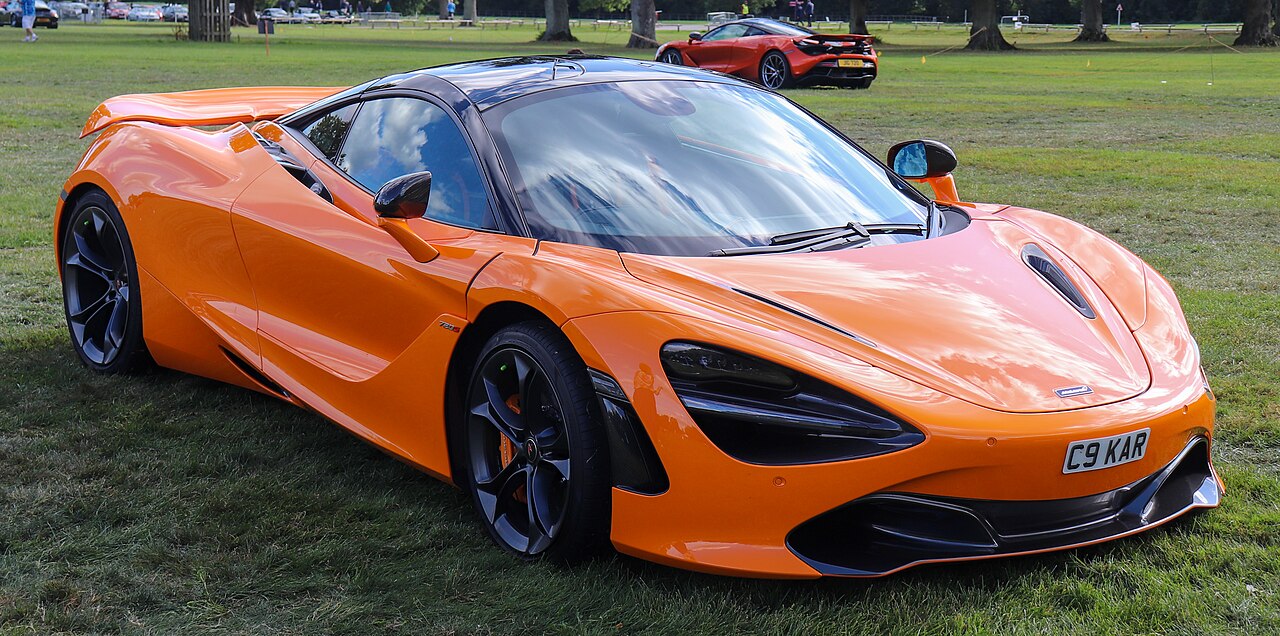
The 750S production end is officially announced by McLaren, signaling a major change in their lineup. This decision comes a decade after the introduction of the 720S, marking an important milestone for the brand.
Introduction to McLaren’s Announcement
In a significant announcement, McLaren has confirmed the end of 750S production, set for 2027. This decision comes a decade after the launch of the iconic 720S, which has been a cornerstone of the brand’s lineup. The 750S was introduced as a successor to the 720S, aiming to elevate performance and luxury to new heights.
McLaren’s commitment to innovation and excellence has driven the development of its supercars, but the decision to conclude 750S production reflects a strategic shift in the company’s focus. As automotive technology evolves rapidly, McLaren is likely preparing to allocate resources to new models that embrace electrification and sustainability.
Industry analysts have speculated that the end of 750S production will pave the way for a new generation of vehicles that align more closely with changing consumer preferences and environmental regulations. McLaren enthusiasts will be watching closely as the company navigates this transition, eager to see what the future holds for the storied brand.
The Legacy of the 720S
The McLaren 720S has left an indelible mark on the automotive landscape since its launch, setting a high standard for performance and innovation. As we approach the 750S production end, it is essential to reflect on the legacy of its predecessor, the 720S. Introduced in 2017, the 720S redefined expectations for supercars with its remarkable blend of power, agility, and cutting-edge technology.
Key features that contributed to the 720S’s acclaim include:
- Engine Performance: The 720S boasts a 4.0-liter twin-turbo V8 engine, delivering 720 horsepower and enabling breathtaking acceleration.
- Design Innovation: Its aerodynamic silhouette not only enhances aesthetics but also significantly improves downforce and stability.
- Driving Experience: With a lightweight carbon fiber structure, the 720S offers an unparalleled driving experience, combining precision handling with exhilarating speed.
As the automotive world prepares for the 750S production end, the 720S will undoubtedly be remembered as a cornerstone of McLaren’s history, inspiring future models and enthusiasts alike.
Impact on McLaren’s Future Models
The decision to end 750S production marks a significant turning point for McLaren, shaping both the brand’s future models and its overall strategy. As the automotive industry increasingly shifts towards electrification, McLaren faces the challenge of evolving its lineup while maintaining the performance and luxury synonymous with its name.
With the 750S production end occurring in 2027, McLaren is expected to introduce a new series of vehicles that embrace cutting-edge technology and sustainability. This transition is likely to feature:
- Hybrid Powertrains: Integrating electric motors to enhance performance.
- Advanced Aerodynamics: Focusing on efficiency without compromising speed.
- Smart Connectivity: Incorporating the latest in infotainment and driver-assistance systems.
By shifting its focus, McLaren aims to attract a broader audience while staying true to its performance heritage. The end of 750S production could be the catalyst for a new era, ensuring McLaren remains a front-runner in the supercar market.
What This Means for Collectors
The announcement regarding the 750S production end has sent ripples through the collector community, prompting a mix of excitement and concern. As McLaren shifts its focus toward new models and innovations, collectors are left to ponder the implications for their investments.
Historically, limited production runs have driven demand for high-performance vehicles, particularly when tied to iconic brands like McLaren. The 750S, with its advanced technology and design, is expected to become a sought-after piece in the years to come.
Key points for collectors to consider include:
- Rarity: As production winds down, the number of available units will decrease, potentially increasing value.
- Market Trends: The collector market often thrives on exclusivity; the end of 750S production may create a surge in interest.
- Future Models: With McLaren’s commitment to innovation, future models could redefine performance, but they may not replicate the 750S’s unique appeal.
Ultimately, the end of the 750S production signifies not just the conclusion of a model, but a pivotal moment in McLaren’s storied history.
Fan Reactions to the 750S Production End
As news broke about the 750S production end, fans of the McLaren brand took to social media to express their thoughts and feelings. Many enthusiasts shared their fond memories of the 750S, celebrating its design and performance while lamenting the conclusion of its production run.
Among the reactions, a few common themes emerged:
- Admiration for Performance: Fans praised the 750S for its exceptional speed and handling, with many noting it as a worthy successor to the legendary 720S.
- Nostalgia: Several long-time McLaren supporters expressed sadness over the end of an era, reflecting on how the 750S has become a symbol of innovation and luxury.
- Hope for Future Models: While some mourned the production end, others expressed optimism about what McLaren might have in store next, looking forward to the brand’s evolution.
The mixed emotions surrounding the 750S production end highlight the deep connection fans have with McLaren and its iconic vehicles.
Comparing 750S and 720S
As McLaren prepares to end 750S production, comparisons with the 720S highlight the evolution of the brand’s supercar offerings. Both models showcase McLaren’s commitment to performance and innovation, but there are distinct differences that set them apart.
- Performance: The 750S boasts enhanced power and torque compared to the 720S, making it a formidable contender on the track.
- Design: While the 720S features a more angular aesthetic, the 750S introduces sleeker lines and improved aerodynamics, reflecting advances in engineering.
- Technology: The 750S incorporates cutting-edge technology, including a more advanced infotainment system and driver-assistance features that were not available in the 720S.
- Price Point: With the end of 750S production approaching, prospective buyers may find the last units commanding a premium, similar to what was seen with the 720S.
Ultimately, the comparison between the two models illustrates McLaren’s strategic approach as it transitions from the 750S to future innovations while reflecting on the legacy of the 720S.
Final Thoughts on McLaren’s Decision
As McLaren officially announces the end of 750S production, it is essential to recognize the significance of this decision in the broader context of the brand’s evolution. The 750S marks a pivotal transition for McLaren, blending innovation with the legacy established by the 720S, which has been a benchmark in the supercar segment.
The discontinuation of the 750S is not merely about ceasing production; it reflects McLaren’s commitment to pushing boundaries and developing future technologies. By concluding this chapter, McLaren is signaling a shift towards new models that aim to redefine performance and luxury in the automotive world.
For collectors and enthusiasts, the end of 750S production could enhance the model’s desirability, solidifying its status as a classic in the years to come. As fan reactions have shown, the passion surrounding the 750S is palpable, and this decision resonates deeply with its devoted following.
In summary, while the 750S production end may bring mixed emotions, it also opens the door to exciting new possibilities for McLaren and its community.
The announcement of the 750S production end has sparked discussions among automotive enthusiasts about McLaren’s future direction. As the 750S production end marks the conclusion of a significant chapter, fans are eager to see what innovative models will follow.
via Wikimedia Commons