Tesla Model 3 longevity: The Real Truth About Car Parts
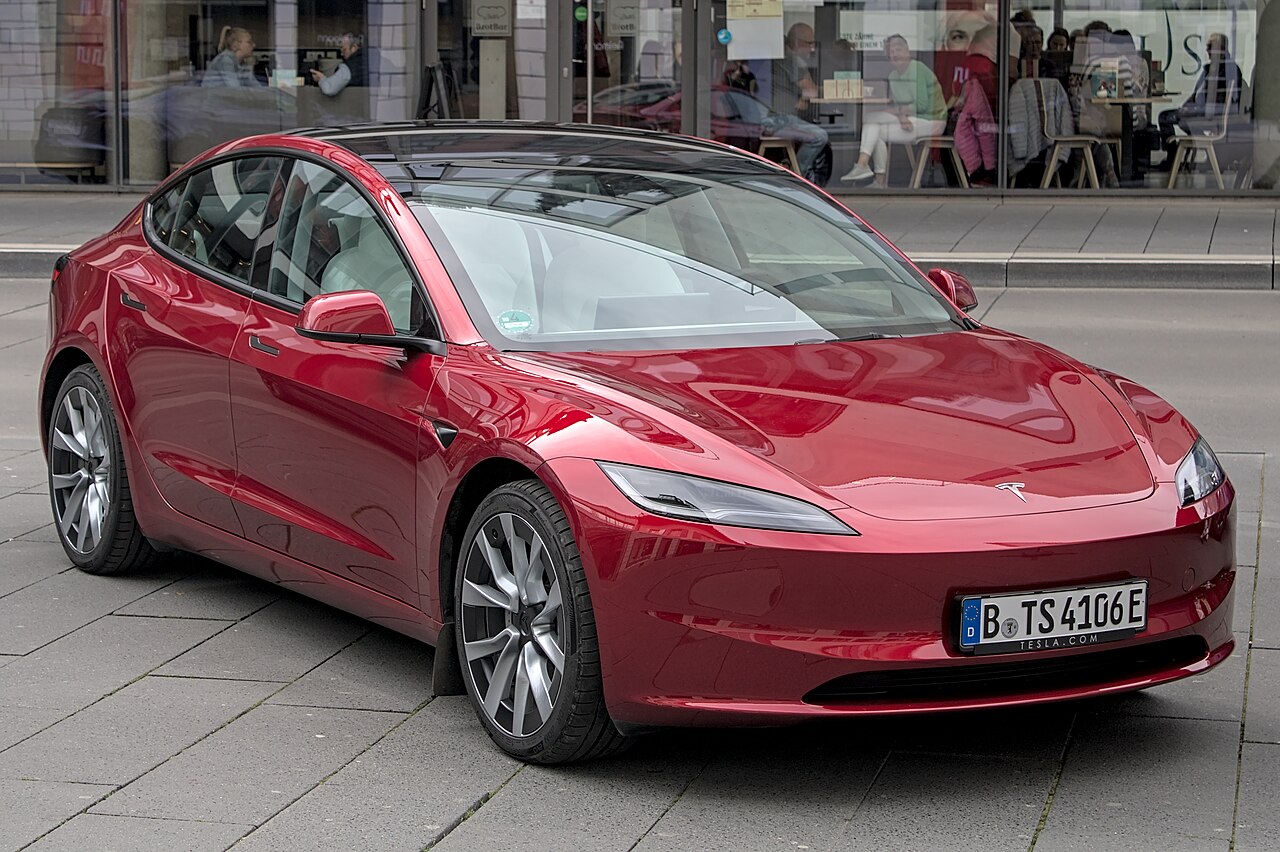
Tesla Model 3 longevity is a hot topic after a man hits nearly 300,000 miles in his vehicle. He shares insights about the original car parts and their durability.
Introduction to Tesla Model 3 Longevity
The Tesla Model 3 has garnered attention for its impressive longevity, with many owners reporting high mileage without significant issues. A recent account of a man who reached nearly 300,000 miles in his Tesla Model 3 sheds light on the durability of its original car parts. This remarkable feat raises questions about the overall lifespan of electric vehicles and the components that make them reliable.
Many enthusiasts and potential buyers are curious about how the Tesla Model 3 stands up over time compared to traditional gas-powered vehicles. With advancements in technology and manufacturing, electric cars have evolved, and the Model 3 is a prime example of this shift.
In his experience, the owner highlighted several aspects of the vehicle that contributed to its longevity:
- Battery performance: The Model 3’s battery has shown remarkable efficiency, maintaining a substantial charge capacity even after extensive use.
- Regenerative braking: This feature not only enhances driving experience but also reduces wear on brake components.
- Durable materials: The use of high-quality materials in the construction of the Model 3 contributes to its resilience against wear and tear.
These factors collectively affirm the Tesla Model 3’s reputation for longevity in the electric vehicle market.
How Many Miles Can a Tesla Last?
The longevity of the Tesla Model 3 has become a topic of great interest among electric vehicle enthusiasts and potential buyers. With reports of some owners achieving remarkable mileage, the question arises: how many miles can a Tesla last?
One notable example is a man who recently reached nearly 300,000 miles in his Tesla Model 3. His experience sheds light on the durability and reliability of the vehicle’s original car parts. According to his findings, the car’s battery and motor have performed exceptionally well, with minimal degradation over time.
In his detailed account, he emphasized several key factors contributing to the longevity of his Tesla Model 3:
- Regular Maintenance: Adhering to recommended service schedules significantly impacts vehicle lifespan.
- Driving Habits: Gentle driving and avoiding aggressive acceleration can extend the life of the car.
- Software Updates: Keeping the vehicle updated ensures optimal performance and efficiency.
Overall, the Tesla Model 3 showcases impressive longevity, proving that with proper care, electric vehicles can last as long as their gasoline counterparts, if not longer.
The Original Parts: A Closer Look
The longevity of the Tesla Model 3 has become a topic of interest, especially as drivers push their vehicles to impressive mileages. A recent case highlighted a man who reached nearly 300,000 miles in his Tesla Model 3, shedding light on the durability of its original parts.
One of the most significant aspects of the Model 3’s longevity is its engineering. Tesla has designed components that are not only efficient but also built to withstand the test of time. Key original parts include:
- Battery Pack: Known for its thermal management system, the battery pack helps maintain performance over time.
- Electric Motor: This component has fewer moving parts compared to traditional engines, leading to reduced wear and tear.
- Braking System: The regenerative braking feature minimizes brake pad usage, promoting longevity.
Additionally, the materials used in the construction of the Model 3, such as high-strength steel and aluminum, contribute to its overall durability. As more drivers share their experiences, it becomes increasingly clear that the Tesla Model 3 longevity is not merely a marketing claim, but a reality backed by real-world data.
Owner’s Experience with High Mileage
Many Tesla Model 3 owners have shared their experiences regarding longevity, particularly those who have driven their vehicles for high mileage. One notable example is a driver who recently surpassed 300,000 miles on his Tesla Model 3. This owner provided insights that challenge common perceptions about electric vehicle durability and maintenance.
According to him, the longevity of the Tesla Model 3 is significantly influenced by the quality of its original parts. He noted that despite the extensive mileage, many components remained in excellent condition, which speaks volumes about Tesla’s engineering.
Key factors contributing to the impressive longevity include:
- Battery Health: The battery still performs well, retaining most of its capacity.
- Brake Wear: Regenerative braking has reduced wear on brake pads, resulting in less frequent replacements.
- Software Updates: Regular updates have optimized performance and efficiency.
Ultimately, the owner’s experience underscores the potential for the Tesla Model 3 to achieve remarkable longevity, showcasing how original car parts can withstand the test of time and usage.
Maintenance Tips for Tesla Owners
Maintaining your Tesla Model 3 is essential to ensure its longevity and overall performance. Here are some important maintenance tips for Tesla owners:
- Regular Software Updates: Ensure that your vehicle’s software is always up to date. Tesla frequently releases updates that can enhance performance and safety features.
- Battery Maintenance: To maximize battery life, avoid charging to 100% regularly and try to keep the battery level between 20% and 80% for daily driving.
- Tire Care: Regularly check tire pressure and tread depth. Proper tire maintenance not only improves safety but also enhances the driving experience.
- Brake Fluid Check: Although Tesla vehicles use regenerative braking, it’s crucial to check the brake fluid periodically. A well-maintained braking system ensures safety during high-mileage journeys.
- Cabin Air Filter Replacement: Replace the cabin air filter every two years to maintain air quality inside the vehicle.
By following these tips, Tesla owners can significantly enhance the longevity of their Model 3, ensuring that it remains efficient and reliable for many miles ahead.
The Impact of Driving Habits
Driving habits play a crucial role in determining the longevity of a Tesla Model 3. Factors such as acceleration, braking, and overall driving style can significantly affect how long the car’s parts last. For instance, frequent rapid acceleration can lead to increased wear on the battery and electric motor, potentially decreasing the vehicle’s lifespan.
Furthermore, driving in harsh conditions, such as extreme temperatures or on poorly maintained roads, can also take a toll on the car’s components. Tesla owners are encouraged to consider their driving patterns and make adjustments where possible to enhance the longevity of their Model 3.
According to a recent report, the way a driver treats their vehicle can lead to remarkable differences in overall performance. Many Tesla Model 3 owners have noted that adopting smoother driving habits not only improves battery efficiency but also contributes to the durability of the vehicle’s parts.
- Gentle Acceleration: Encouraging gradual starts rather than quick bursts of speed.
- Consistent Speed: Maintaining a steady pace can reduce strain on the electric motor.
- Regular Maintenance: Following Tesla’s recommended service schedule to keep parts in peak condition.
Comparing Tesla to Other Electric Cars
When discussing Tesla Model 3 longevity, it’s important to compare it to other electric vehicles in the market. Many consumers are curious about how Tesla’s offerings stack up against competitors like the Nissan Leaf, Chevrolet Bolt, and Ford Mustang Mach-E.
One key area of comparison is the durability of car parts. Here are some factors to consider:
- Battery Life: Tesla vehicles, including the Model 3, are known for their long-lasting batteries, often achieving over 300,000 miles with proper maintenance.
- Build Quality: The Model 3 has received praise for its sturdy construction, which contributes to its longevity compared to other electric cars that may have lower-quality materials.
- Warranty Coverage: Tesla offers an extensive warranty on their vehicles, which can provide peace of mind regarding the longevity of their parts.
- Software Updates: Regular software updates can enhance vehicle performance and longevity, a feature that sets Tesla apart from many traditional automakers.
Overall, the Tesla Model 3 exhibits remarkable longevity characteristics that make it a strong contender in the electric vehicle segment.
Conclusion: Is the Tesla Model 3 Worth It?
In conclusion, the longevity of the Tesla Model 3 has proven to be impressive, especially when considering the experiences shared by high-mileage owners. With reports of drivers reaching nearly 300,000 miles, it is evident that this electric vehicle can withstand the test of time and usage. The original parts of the Model 3 have shown remarkable durability, often requiring only minimal maintenance over the years.
Furthermore, the overall performance of the Tesla Model 3 remains strong, even after extensive use. Many owners report that their vehicles not only retain their efficiency but also benefit from regular software updates that enhance functionality. As electric cars become more prevalent, the longevity of the Tesla Model 3 stands out in comparison to traditional gasoline vehicles and even other electric models.
For those contemplating whether investing in a Tesla Model 3 is worthwhile, the evidence suggests that its longevity, combined with low maintenance costs and a robust driving experience, makes it a compelling choice. Ultimately, potential buyers should weigh their driving habits and needs against the proven performance of the Model 3 to determine if it aligns with their lifestyle.
When considering Tesla Model 3 longevity, it’s important to examine the durability of its battery and electric motor components. Many owners report that Tesla Model 3 longevity can exceed expectations with proper maintenance and care.
via Wikimedia Commons