Renault EV production jobs: Smart move with added roles
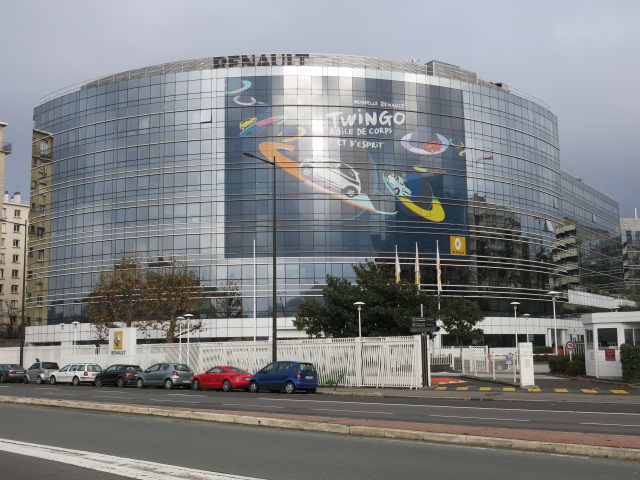
Renault EV production jobs are on the rise as the company plans to add 2,000 roles to support its electric vehicle strategy, despite cutting 1,000 white-collar jobs.
Renault’s Strategic Shift in EV Production
Renault is making a significant strategic shift in its production approach as it prepares to expand its electric vehicle (EV) manufacturing capabilities. The automotive giant has announced plans to create 2,000 new roles specifically focused on EV production, signaling a strong commitment to the growing electric vehicle market.
This move comes at a time when the industry is rapidly evolving, and companies are adapting to meet the demands of sustainability and innovation. By enhancing its workforce dedicated to electric vehicles, Renault aims to solidify its position as a leader in the EV sector. The decision highlights the company’s recognition of the importance of electric mobility in the future of transportation.
However, this expansion in Renault’s workforce is coupled with a difficult decision to cut up to 1,000 white-collar jobs. This dual approach reflects the company’s need to balance new opportunities within the EV production landscape while streamlining other areas of its operations. As the automotive market shifts, Renault’s focus on EV production jobs showcases its strategic pivot towards a more sustainable and technologically advanced future.
As Renault embraces this transformation, stakeholders are watching closely to see how these changes will impact the company’s overall performance and its position in the competitive EV market.
Impact of Job Cuts on Workforce
The recent announcement by Renault regarding its EV production jobs has elicited mixed reactions within the workforce. While the creation of 2,000 new roles aimed at bolstering electric vehicle manufacturing signifies a positive step towards sustainable mobility, the simultaneous reduction of up to 1,000 white-collar positions raises concerns about job security among employees.
In light of this strategic shift, several factors are influencing the impact of these job cuts:
- Job Security: Many workers are apprehensive about their future, fearing that the cuts may extend beyond the current announcements.
- Skill Requirements: Employees in affected roles may find it challenging to transition into the newly created positions, especially if they lack the necessary skills for EV production.
- Employee Morale: The dual approach of hiring while laying off workers can create an atmosphere of uncertainty, potentially affecting overall morale and productivity.
- Future Growth: The focus on expanding EV production jobs indicates Renault’s commitment to innovation and sustainability, which could lead to long-term benefits for the workforce.
As the automotive industry undergoes a significant transformation, the challenge for Renault will be to manage these transitions effectively while maintaining a motivated and skilled workforce.
Future of Electric Vehicle Manufacturing
The future of electric vehicle manufacturing looks promising for Renault, as the company plans to add 2,000 roles specifically for EV production. This strategic move highlights Renault’s commitment to expanding its electric vehicle offerings and adapting to the rapidly changing automotive landscape.
With the global shift towards sustainable transportation, Renault’s investment in EV production jobs is not just a response to market demands but also a proactive approach to securing its position in the industry. By prioritizing the development of electric vehicles, Renault aims to enhance its competitive edge and meet the increasing consumer preference for greener alternatives.
In conjunction with the addition of production roles, the company has announced the difficult decision to cut up to 1,000 white-collar jobs. This restructuring underscores the need for companies to balance operational efficiency with workforce management. Renault is navigating this transition by focusing on areas that will drive future growth.
As the electric vehicle sector continues to evolve, Renault’s strategic emphasis on expanding its workforce for EV production indicates a clear vision for the future. It reflects an understanding that skilled labor will be essential in meeting production goals and advancing the company’s innovations in electric mobility.
Renault’s Commitment to Sustainability
Renault has made a significant commitment to sustainability by expanding its electric vehicle (EV) production capabilities. This initiative not only highlights the company’s dedication to reducing its carbon footprint but also addresses the growing demand for electric vehicles in the global market.
The decision to add 2,000 roles for EV production reflects Renault’s strategic vision of becoming a leader in the EV sector. As the automotive industry shifts towards more sustainable practices, Renault aims to position itself at the forefront of this transformation, ensuring that it meets both consumer expectations and environmental standards.
In addition to the new roles, the company has announced cutbacks of up to 1,000 white-collar jobs. While this may seem counterintuitive, these changes are part of a broader strategy to streamline operations and focus resources on the production of electric vehicles. Renault believes that this dual approach will create a more agile workforce capable of adapting to the rapid changes in the automotive landscape.
Through these efforts, Renault is not only investing in its workforce but also reinforcing its commitment to sustainability and innovation in the electric vehicle market. This move is seen as a crucial step towards a greener future while also addressing the needs of the evolving automotive industry.
The creation of Renault EV production jobs is expected to boost local economies and provide sustainable employment opportunities. By adding more Renault EV production jobs, the company is solidifying its commitment to electric vehicle innovation.
via Wikimedia Commons
Read the original
Related reading
Royal Enfield launches: Best New Models to Explore · EV Charging Solutions: The Best Smart and Quick Options · Freehold vs 99-Year Leasehold Condominiums in Singapore: Which Offers Better Long-Term Value?