The Evolving Landscape of a Flower Shop
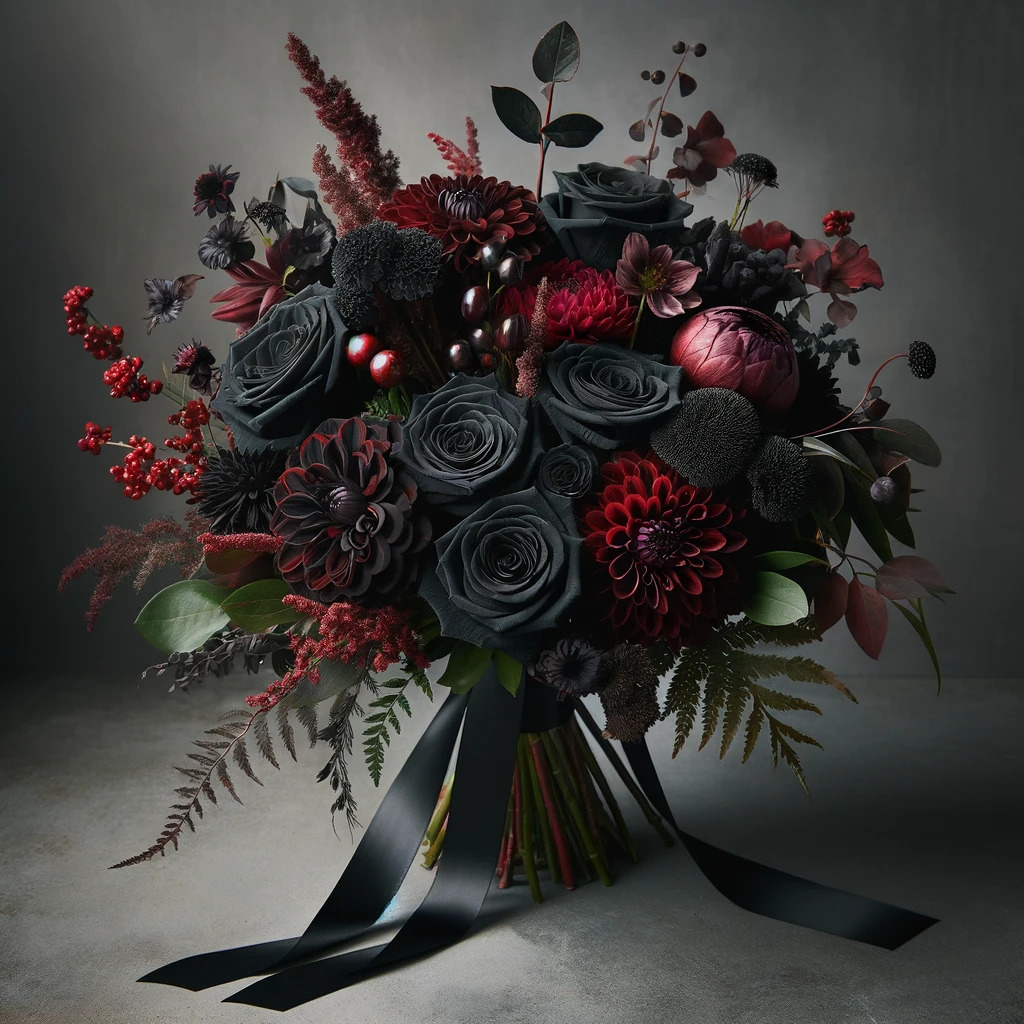
In the world of retail, a flower shop is no longer just a place to buy bouquets; it has become a hub of creativity, convenience, and personal expression. Across urban and suburban areas, these businesses are adapting to meet evolving consumer preferences while maintaining high standards of freshness, variety, and design. Examining trends, consumer behavior, and service offerings sheds light on why flower shops remain a vital part of the modern market.
What types of flowers are most commonly sold in a flower shop?
Market insights indicate that roses, lilies, and tulips dominate flower shop sales, accounting for over half of all transactions. Indigenous and seasonal blooms, such as sunflowers, chrysanthemums, and proteas, are also in high demand, particularly among customers seeking locally sourced or sustainable options. Recent data shows that around 30% of buyers now opt for mixed arrangements that combine traditional favorites with exotic flowers, reflecting a growing interest in personalized and visually dynamic bouquets.
How do flower shops ensure the quality and freshness of their products?
Maintaining freshness is a cornerstone of customer satisfaction in flower shops. Practices such as climate-controlled storage, nutrient-enriched water, and careful handling during transport are standard across leading shops. Studies indicate that flowers kept under these optimal conditions can remain vibrant for up to two weeks. In addition to storage, professional florists often schedule deliveries strategically to ensure that flowers reach customers at peak freshness, enhancing both visual appeal and value.
How does seasonality influence flower shop operations?
Seasonal trends have a measurable impact on flower shop inventory and sales. Peak periods like Valentine’s Day, Mother’s Day, and wedding season can increase sales volumes by 40-50%. Flower shops typically prepare by sourcing both local and imported flowers to meet heightened demand. Market observations suggest that shops that plan ahead for seasonal shifts not only maintain stock consistency but also enjoy higher customer satisfaction and repeat business.
What additional services are flourishing in flower shops?
Modern flower shops are evolving beyond traditional bouquet sales. Services such as event floral design, subscription-based delivery, and corporate gifting have grown significantly. Surveys indicate that businesses offering these expanded services can experience up to a 25% increase in recurring customers. Event-focused arrangements, particularly for weddings and corporate events, position flower shops as both creative consultants and essential partners in special occasions.
How is technology shaping the flower shop industry?
Digital platforms have become a key driver of growth for flower shops. Online ordering, social media marketing, and real-time inventory updates enable customers to browse, customize, and schedule purchases with convenience. Current data shows that more than 60% of inquiries originate online, highlighting the importance of an accessible and user-friendly digital presence. Technology also aids shops in forecasting demand, optimizing supply chains, and managing delivery logistics efficiently.
What factors influence the pricing of products in a flower shop?
Pricing is determined by several variables, including flower type, arrangement complexity, seasonal availability, and additional services like delivery or personalized notes. Locally sourced flowers typically provide cost stability, while imported or rare flowers carry premium rates. Research shows that customers are often willing to pay more for exceptional quality, creative arrangements, and reliable service, allowing flower shops to balance competitiveness with value creation.
What should customers consider when selecting a flower shop?
Consumers often evaluate shops based on variety, freshness, creativity, and reliability. Shops that offer personalized recommendations, flexible delivery options, and attention to detail tend to attract loyal customers. Market insights suggest that high-quality arrangements, prompt service, and innovative designs are the top factors that influence repeat business, reinforcing the importance of professional expertise and customer-centric operations.
In conclusion, a flower shop represents a vibrant intersection of art, business, and personal connection. Through careful management of freshness, seasonal planning, and innovative services, these establishments continue to meet diverse consumer needs. The integration of technology, creative design, and customer-focused solutions further strengthens the industry, ensuring growth and relevance in a competitive market. Whether for personal gifting, special events, or professional engagements, flower shops deliver beauty, emotion, and elegance to every recipient, highlighting their enduring importance in modern life.