Oil Prices Rebound: Battered Government Bonds See Gains

oil prices rebound, driving a recovery in government bonds that have faced significant pressures. This shift in the market reflects changing investor sentiments and economic conditions.
Understanding the Oil Price Drop
In recent weeks, the oil market experienced a significant downturn, leading to a notable decrease in prices. Various factors contributed to this drop, including increased supply from major oil-producing countries and decreased demand due to economic uncertainties. As a result, many investors began to reevaluate their positions in the energy sector.
However, the tides have started to turn, with oil prices rebound observed in recent trading sessions. This resurgence has been attributed to various factors, such as geopolitical tensions and a forecasted increase in global demand as economies recover from the pandemic.
Analysts suggest that the oil price volatility not only impacts the energy market but also influences other financial sectors, particularly government bonds. Many investors are shifting their focus back to bonds, which have seen gains as oil prices stabilize, reflecting a broader sentiment of recovery in the financial markets.
Impact on Government Bonds
The recent rebound in oil prices has created a ripple effect in the financial markets, particularly benefiting government bonds that had faced significant losses in previous months. Investors are now recalibrating their strategies, seeking refuge in these bonds as they regain some stability.
As oil prices rebound, several factors contribute to the renewed interest in government bonds:
- Improved Economic Outlook: Rising oil prices often signal increased demand and economic activity, leading to a more favorable environment for government securities.
- Inflation Concerns: With oil prices climbing, inflation fears may prompt investors to seek the safety of bonds, which can provide a hedge against rising costs.
- Market Volatility: The uncertainty surrounding global energy markets can drive investors towards the relative safety of government bonds.
Overall, the rebound in oil prices has rekindled interest in government bonds, fostering a more optimistic sentiment among investors.
Market Reactions to Oil Prices
The recent rebound in oil prices has significantly influenced market dynamics, particularly in the realm of government bonds. Investors, previously wary due to the volatile oil market, are beginning to regain confidence as the prices stabilize. This shift has led to notable gains in government bonds, which had previously suffered due to rising yields.
Market analysts suggest that the recovery in oil prices could lead to a more favorable economic outlook, prompting investors to re-evaluate their portfolios. A few key reactions have emerged:
- Increased Demand: The rebound in oil prices has spurred a renewed appetite for riskier assets, including government bonds.
- Interest Rate Expectations: With oil prices stabilizing, there are expectations of less aggressive interest rate hikes, benefiting bond markets.
- Market Sentiment: Overall market sentiment has improved, as the rebound in oil prices signals potential economic resilience.
As the situation evolves, many are closely monitoring how this rebound will shape future financial landscapes.
Investor Sentiment Analysis
Investor sentiment has shifted following the recent news of oil prices rebound, leading to a renewed interest in government bonds that had previously faced significant declines. Analysts suggest that the correlation between oil prices and bond performance is becoming increasingly evident, as fluctuations in crude oil values directly impact market confidence.
As oil prices recover, many investors are reassessing their portfolios, seeking stability in government securities. This newfound optimism is bolstered by several factors:
- Economic Recovery: A rise in oil prices often signals a strengthening economy, encouraging investment in safer assets.
- Inflation Hedge: With oil prices bouncing back, investors view bonds as a hedge against inflation, which can erode purchasing power.
- Market Dynamics: The interplay between oil supply and demand is influencing market trends, prompting a reassessment of risk.
Overall, the rebound in oil prices is fostering a more positive outlook for government bonds, as investors navigate the complexities of the current economic landscape.
Future Predictions for Bonds
The recent rebound in oil prices has sparked discussions among analysts regarding future predictions for government bonds. As oil prices recover, investors are keenly observing the potential shifts in bond markets.
Several factors could influence the trajectory of bonds:
- Interest Rate Adjustments: Should oil prices continue to rise, central banks may adjust interest rates, affecting bond yields.
- Inflation Concerns: A sustained increase in oil prices could lead to heightened inflation, prompting investors to reconsider their bond portfolios.
- Economic Recovery: The rebound in oil prices may signal a stronger economic recovery, potentially increasing demand for government bonds.
Many analysts predict that as oil prices rebound, we could see a renewed interest in bonds, particularly among risk-averse investors seeking stability amidst market volatility.
In conclusion, the interplay between oil prices and government bonds will be crucial to watch in the coming months.
Economic Indicators to Watch
As oil prices rebound, several economic indicators are crucial for investors to monitor. These indicators can provide insights into market stability and potential investment opportunities.
- Inflation Rates: Rising oil prices often contribute to increased inflation, affecting consumer spending and overall economic growth.
- Employment Data: Job growth can signal a recovering economy, which may bolster confidence in both the oil market and government bonds.
- Interest Rates: Central banks’ decisions on interest rates can influence bond yields, making it essential to track their policies in response to oil price fluctuations.
- Consumer Confidence Index: A higher consumer confidence level suggests increased spending, which can positively impact oil demand and, consequently, prices.
- Global Supply Chains: Disruptions or improvements in supply chains can affect both oil prices and the bond market, highlighting the interconnectedness of these sectors.
Investors should remain vigilant regarding these economic indicators as they navigate the evolving landscape following the oil price rebound.
Strategies for Bond Investors
As oil prices rebound, bond investors are recalibrating their strategies to capitalize on the evolving market landscape. A thorough understanding of the current dynamics is essential for making informed decisions in this fluctuating environment. Here are some strategies that can help:
- Diversification: Investing across different bond maturities and sectors can mitigate risk, especially during periods of market volatility.
- Focus on Quality: Prioritizing high-quality government bonds can offer stability in uncertain times, particularly as oil prices recover.
- Stay Informed: Keeping abreast of economic indicators that influence oil prices will help investors anticipate shifts in bond performance.
- Active Management: Adopting a more hands-on approach may allow investors to seize opportunities as oil prices rebound and impact the bond market.
Incorporating these strategies can help bond investors navigate the complexities of a market influenced by fluctuating oil prices.
Conclusion and Market Outlook
As oil prices rebound, the financial landscape is witnessing a shift that could influence both the energy and bond markets. Investors are cautiously optimistic as government bonds begin to show signs of recovery from previous declines. The recent fluctuations in oil prices have underscored the interconnectedness of these markets, prompting analysts to reassess their forecasts.
In the coming weeks, market participants will be closely monitoring several key factors that could impact both oil and bond valuations. These include:
- Geopolitical developments: Tensions in oil-producing regions could drive prices higher.
- Economic indicators: Inflation rates and employment data will offer insights into consumer demand.
- Central bank policies: Interest rate adjustments may influence investor behavior in bonds.
Ultimately, as the oil market stabilizes, the rebound in oil prices may provide a much-needed boost to battered government bonds, allowing investors to recalibrate their strategies moving forward.
The recent surge in oil prices rebound has provided a much-needed boost to investor sentiment in the financial markets. As oil prices rebound, battered government bonds are starting to see gains, offering a glimmer of hope for cautious investors.
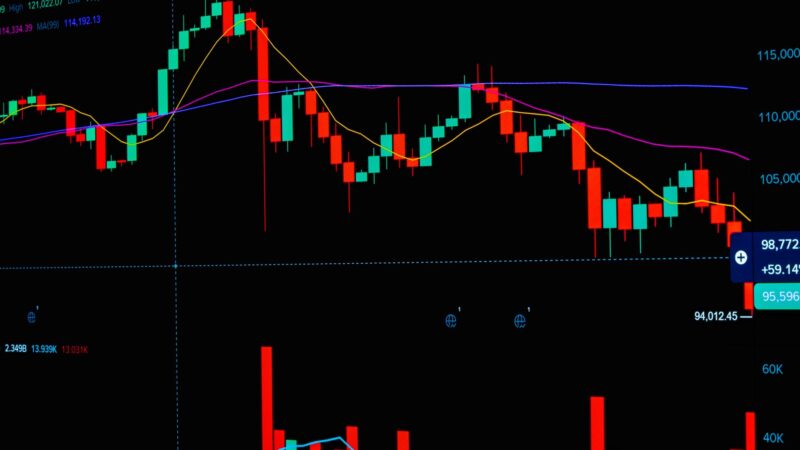
Photo by Engin Akyurt on Pexels