Navigating the 2026 Singapore Private Residential Market: Emerging Growth Corridors, District Benchmarks, and Buyer Strategies
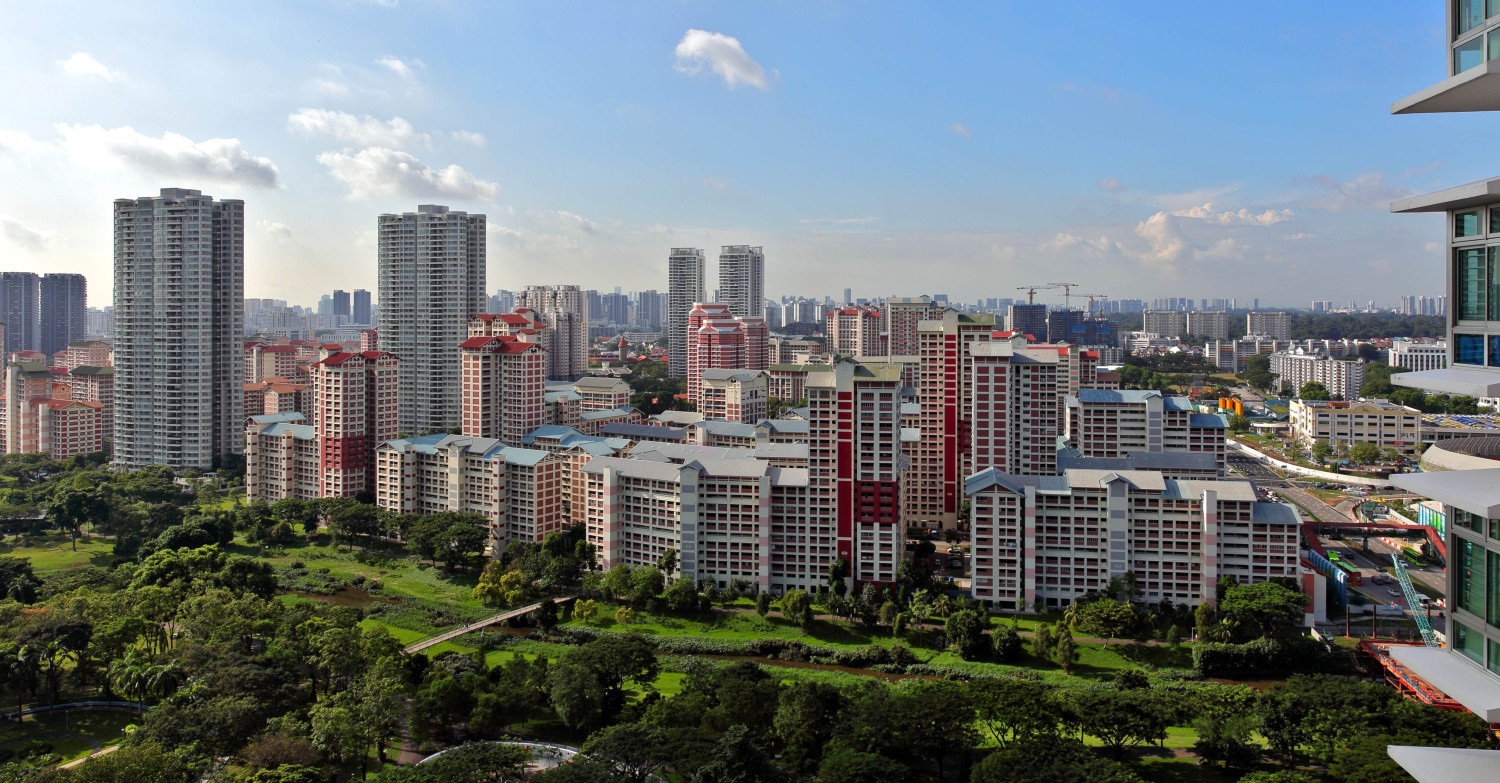
Singapore’s private residential property market has entered an intriguing phase of selective growth and steady consolidation. While overall price increases have normalized compared to the sharp post-pandemic surges, demand remains remarkably durable across prime core central regions (CCR) and transformational suburban growth nodes. For prospective homeowners, multi-generational families, and yield-focused investors, navigating this evolving landscape requires a dual perspective: evaluating established, low-density luxury enclaves against high-growth regional hubs.
As key urban master plans take physical shape across the island, discerning buyers are looking beyond surface-level statistics to identify developments that combine structural land scarcity, robust transport connectivity, and enduring exit liquidity.
Prime District 10 Enclaves: Low-Density Luxury and Long-Term Capital Preservation
In the Core Central Region (CCR), District 10 continues to represent the gold standard for prestige, privacy, and capital preservation. The appeal of District 10 lies in its unique urban topography—characterised by sprawling Good Class Bungalow (GCB) zones, verdant natural corridors, and proximity to Singapore’s premier educational institutions.
However, traditional master plans in prime central areas often face an inherent challenge: a scarcity of fresh, unencumbered land parcels available for new residential developments. To address this, urban planning initiatives have identified specific pockets suited for low-density expansion without compromising the tranquil, exclusive charm of the surrounding neighborhood.
A prime example of this deliberate planning is the Holland Plain precinct. Designated as a low-density residential haven nestled among established landed housing and lush green linkages, this corridor offers a rare living experience. Within this highly anticipated precinct, Amberwood at Holland stands out as a flagship new launch, establishing an early-mover advantage in a newly defined luxury district. Designed with expansive family-sized layouts, high ceiling heights, and a 1:1 carpark provision, developments of this caliber appeal directly to owner-occupiers seeking spatial comfort alongside elite school proximity, such as Methodist Girls’ School and the Bukit Timah education belt.
District 10 Holland Plain Snapshot:
├── Land Classification: Low-Density Private Residential
├── Primary Unit Types: 3-Bedroom to 5-Bedroom Residences
├── Transport Connectivity: Proximity to King Albert Park MRT & Major Expressways
└── Core Buyer Demographic: Owner-Occupiers, Multi-Generational Families & UHNW Buyers
Suburban Hubs and Industrial Transformation: Leveraging Regional Growth Drivers
While prime central properties offer long-term asset security, Singapore’s Outside Central Region (OCR) and Rest of Central Region (RCR) drive substantial capital growth through large-scale infrastructure investments. Suburban price resilience has been bolstered by HDB upgraders seeking larger living spaces and immediate access to regional business gateways.
Among Singapore’s regional centers, the western corridor—specifically surrounding Jurong Lake District (JLD) and Lakeside—is undergoing one of the most comprehensive urban transformations in the nation’s history. Positioned as Singapore’s largest business district outside the central city area, JLD integrates commercial hubs, healthcare facilities, leisure amenities, and upcoming transport infrastructure like the Jurong Region Line (JRL) and Cross Island Line (CRL).
For savvy investors and homebuyers evaluating entry prices, developments situated along strategic transport nodes in the West provide compelling rental yields driven by expatriate and professional workforce demand from nearby tech, research, and tertiary medical sectors. Projects like Lucerne Grand offer direct alignment with this regional expansion. Combining modern architectural aesthetics with efficient layouts and lifestyle facilities, such suburban residences cater directly to modern urban commuters who prioritize seamless transit access, proximity to natural leisure spaces like Jurong Lake Gardens, and proximity to major regional employment centers.
Strategic Considerations for Buyers in Today’s Market
When comparing prime central luxury properties with growth-oriented suburban condominiums, buyers should align their purchase criteria with long-term financial objectives and lifestyle requirements.
Key Evaluation Criteria for Property Selection
| Feature / Criteria | Prime Central Enclaves (e.g., District 10) | Regional Suburban Hubs (e.g., District 22 / Lakeside) |
| Primary Value Driver | Land scarcity, prestige, elite school proximity | Master plan developments, job creation, transport upgrades |
| Buyer Profile | Luxury owner-occupiers, legacy wealth planners | HDB upgraders, yield-focused investors, young families |
| Unit Layout Mix | Generous 3 to 5-bedroom formats | Diverse 1 to 4-bedroom efficient formats |
| Rental Market Profile | High-income corporate executives, diplomatic ties | Tech professionals, regional hub workforce, medical personnel |
| Holding Strategy | Medium to long-term capital preservation | Medium-term capital appreciation tied to master plan milestones |
Key Frameworks for Evaluating New Launches
To optimize capital allocation in the current real estate climate, buyers should utilize a structured evaluation framework:
- Assess Precinct Growth Phases: Early-mover advantage in newly zoned precincts (such as Holland Plain or Jurong Lake District) often yields favorable pricing entry points compared to subsequent land sales releases.
- Analyze Developer Track Records: Evaluate builder-developer capabilities, structural construction quality, and history of past completions to ensure project execution standards.
- Calculate True Monthly Carrying Costs: Account for prevailing interest rate environment, Total Debt Servicing Ratio (TDSR) limits, and progressive payment milestones across construction timelines.
- Evaluate Functional Floor Plans: Prioritize layouts with minimal wasted square footage (such as excessive corridor space) and adaptable room configurations (e.g., study or flexi rooms).
By balancing location fundamentals, precinct development timelines, and personalized financial capacity, buyers can confidently navigate Singapore’s private housing market and secure assets built for enduring value.