Are Meat Inspection Labels Safe? Proven Facts You Must Know
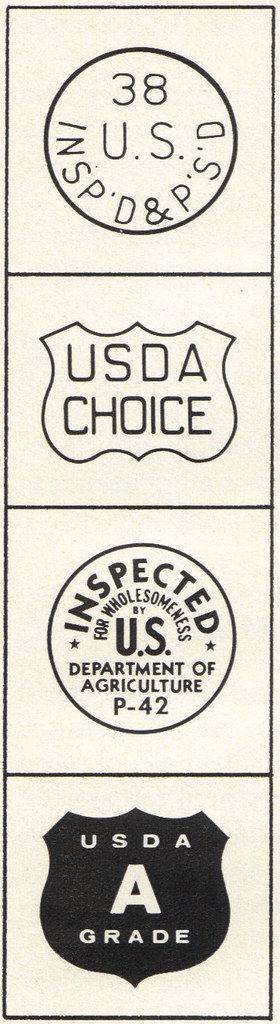
meat inspection labels have come under fire following a recall of over 167,000 pounds of meat. This alarming situation raises questions about food safety and consumer trust.
What Happened with the Meat Recall?
In a significant food safety incident, over 167,000 pounds of meat products were recalled nationwide due to false meat inspection labels. This alarming recall raised concerns among consumers about the integrity of food safety measures in place. The U.S. Department of Agriculture (USDA) announced the recall after it was discovered that certain meat products were improperly labeled, failing to meet the required inspection standards.
The recalled products, which included various types of beef and poultry, were distributed to several retailers across the country. The misuse of meat inspection labels not only compromises consumer trust but also poses potential health risks. The USDA emphasized that the safety of the food supply is paramount and that strict measures are necessary to prevent such occurrences in the future.
Consumers are urged to check their refrigerators and freezers for the recalled items. If you find any of the affected products, it is crucial to dispose of them immediately or return them to the place of purchase for a refund. The USDA has provided a comprehensive list of the specific products involved in the recall, ensuring that consumers can stay informed and safe.
As this situation unfolds, it highlights the importance of accurate meat inspection labels in maintaining food safety standards and protecting public health.
Understanding Meat Inspection Labels
Meat inspection labels play a crucial role in ensuring the safety and quality of the meat products consumers purchase. These labels serve as a guarantee that the meat has undergone rigorous inspection and meets all health and safety standards set by regulatory authorities.
Understanding the various components of meat inspection labels is essential for consumers. Here are some key elements to consider:
- Inspection Legend: This is typically a seal or mark that indicates the meat has been inspected by the USDA or a similar organization.
- Establishment Number: This number helps trace the source of the meat, allowing regulators to track any potential issues back to the meat processing facility.
- Product Name: The name of the meat product should be clear and accurate, informing consumers about what they are buying.
- Safe Handling Instructions: Proper instructions on how to handle, store, and cook the meat are provided to ensure safety.
While the presence of a meat inspection label is a good sign, it is vital for consumers to remain vigilant. In light of recent recalls due to false inspection labels, understanding these components can help ensure that the meat they purchase is genuinely safe for consumption.
Why Are Inspection Labels Important?
Meat inspection labels play a crucial role in ensuring the safety and quality of meat products consumed by the public. These labels serve as a guarantee that the meat has undergone rigorous inspections and meets specific safety standards set by regulatory bodies.
First and foremost, inspection labels help consumers make informed choices when purchasing meat. They indicate whether the product has been inspected by the USDA or other relevant authorities, providing assurance that it has been deemed safe for consumption. This is especially important given the potential health risks associated with contaminated or improperly handled meat.
Moreover, meat inspection labels help maintain industry accountability. When consumers see a label, they are more likely to trust the brand and its commitment to quality. If an issue arises, such as a recall, these labels allow for efficient tracking and identification of affected products, minimizing the risk to public health.
Additionally, inspection labels encourage producers to adhere to best practices in meat processing and handling. By complying with inspection requirements, producers not only protect their consumers but also enhance their reputation in the market.
In summary, meat inspection labels are essential for consumer safety, industry accountability, and quality assurance. Understanding their importance helps consumers make better choices and contributes to overall public health.
Consumer Reactions to the Recall
In light of the recent recall affecting over 167,000 pounds of meat with false inspection labels, consumer reactions have been varied and intense. Many individuals expressed concern regarding the safety of meat products they had previously purchased, questioning whether they had inadvertently consumed tainted products. This incident has heightened awareness about the importance of meat inspection labels and their role in ensuring food safety.
Social media platforms have been flooded with posts from consumers sharing their experiences and seeking guidance on how to identify properly labeled meat. Some have voiced their frustration, emphasizing that they rely on these labels to make informed choices about the food they consume. Others have taken a more proactive approach, urging fellow shoppers to remain vigilant and check labels before purchasing meat products.
Many consumers are now demanding stricter regulations and increased transparency from meat producers. They believe that better oversight can prevent similar incidents in the future and bolster public trust in meat inspection labels.
Additionally, public health advocates have joined the conversation, highlighting the potential health risks associated with consuming meat that lacks proper inspection. As the debate continues, it is clear that this recall has sparked a significant dialogue about food safety and the integrity of meat inspection labels in the marketplace.
Steps to Ensure Meat Safety
Ensuring meat safety is crucial for consumers, especially in light of recent recalls tied to meat inspection labels. Here are steps you can take to ensure the meat you purchase is safe:
- Check the Label: Always examine the meat inspection labels for authenticity. Look for proper certifications and verify that the label matches the product type.
- Buy from Reputable Sources: Purchase meat from trusted retailers or local farms that follow strict guidelines for meat inspection. Establishing relationships with these suppliers can enhance your confidence in the product.
- Understand Expiration Dates: Pay attention to sell-by and use-by dates. Consuming meat past these dates can pose health risks, regardless of inspection labels.
- Store Properly: Ensure that meat is stored at the correct temperature. Refrigerate or freeze meat promptly to prevent bacterial growth.
- Cook Thoroughly: Always cook meat to the recommended internal temperatures to eliminate harmful bacteria. Use a food thermometer for accuracy.
By following these steps, consumers can better navigate the complexities of meat inspection labels and improve their safety practices when purchasing and handling meat products.
By Thoth, God of Knowledge via Openverse