Is EV Charging Capacity the Best Solution for AI Data Centers?
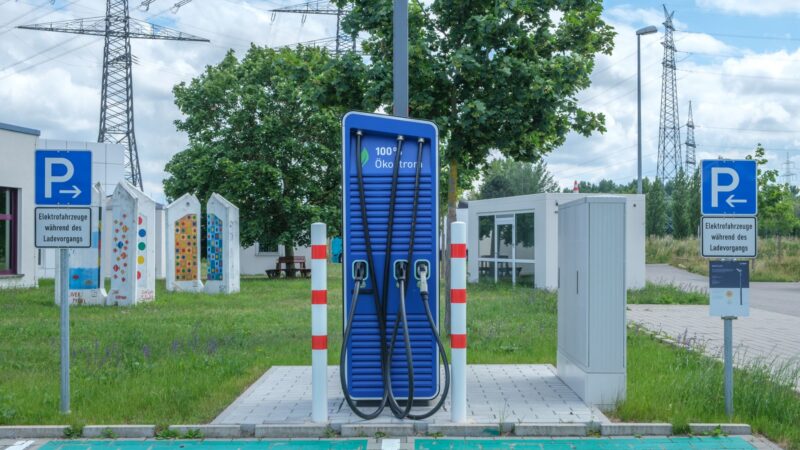
EV charging capacity is being explored by Xeal to power Edge data centers for AI inference. This innovative approach could revolutionize energy usage in tech.
How Xeal Plans to Utilize EV Charging Capacity
Xeal is pioneering an innovative approach to harnessing the surplus of electric vehicle (EV) charging capacity to address the growing energy demands of AI data centers. By utilizing this untapped resource, Xeal aims to create a more sustainable and efficient energy ecosystem.
The company plans to implement a network of Edge data centers strategically located near EV charging stations. This setup will allow them to:
- Capture excess energy: During periods of low demand for EV charging, the surplus electricity can be diverted to power AI inference processes.
- Reduce energy costs: Leveraging EV charging capacity can lead to lower operational expenses compared to traditional energy sources.
- Enhance grid stability: By using the excess capacity from charging stations, Xeal contributes to a more resilient energy grid, especially during peak demand times.
- Support green initiatives: This model aligns with environmental goals by maximizing the use of renewable energy sources associated with EV charging.
As artificial intelligence continues to expand, the need for robust and reliable data centers grows. Xeal’s innovative use of EV charging capacity could provide a crucial solution to meet this demand while promoting sustainability. With such forward-thinking strategies, the company is positioning itself at the forefront of the intersection between renewable energy and technology.
The Benefits of Using EV Charging for Data Centers
The intersection of electric vehicle (EV) charging capacity and data center operations presents a promising opportunity for enhancing energy efficiency and sustainability. As the demand for AI processing power grows, data centers are seeking innovative solutions to manage their energy consumption effectively.
One significant benefit of utilizing EV charging capacity for data centers is the ability to harness surplus energy during off-peak hours. This not only reduces waste but also ensures that energy is used efficiently. By tapping into the existing infrastructure of EV charging stations, companies can minimize the need for additional power generation and lower operational costs.
Another advantage is the potential for enhanced grid stability. By integrating EV charging with data center operations, energy can be redistributed during peak demand times. This flexibility allows data centers to contribute to a more resilient energy grid, benefiting both the environment and the economy.
Furthermore, leveraging spare EV charging capacity aligns with sustainability goals. As organizations strive to reduce their carbon footprints, utilizing renewable energy sources for charging stations can further decrease emissions associated with data processing. In this context, embracing EV charging capacity not only supports technological advancements but also fosters a sustainable future.
Overall, the integration of EV charging capacity within data centers represents a forward-thinking solution that addresses the energy challenges posed by the rapid expansion of AI technologies.
Understanding Edge Data Centers and AI Inference
Edge data centers are emerging as a vital component in the architecture of modern AI applications, particularly for tasks that require real-time processing and low latency. These facilities, located closer to the source of data generation, enable faster data transmission and improved response times, making them essential for AI inference.
As the demand for AI capabilities continues to rise, the need for efficient energy solutions becomes paramount. This is where EV charging capacity comes into play. By leveraging the underutilized power from EV charging stations, companies like Xeal aim to create a symbiotic relationship between electric vehicles and edge data centers.
The integration of EV charging infrastructure with data centers offers several potential advantages:
- Resource Optimization: Utilizing spare EV charging capacity can help balance energy loads, especially during peak hours.
- Cost Efficiency: By tapping into existing charging networks, companies can reduce the need for new energy sources, lowering operational costs.
- Sustainability: This approach promotes the use of renewable energy sources, contributing to greener data center operations.
In summary, as AI technologies advance, understanding the role of edge data centers and the innovative use of EV charging capacity will be crucial for meeting the escalating demands of AI inference.
Challenges in Integrating EV Charging with Data Centers
Integrating EV charging capacity with data centers presents several challenges that must be addressed for successful implementation. One major concern is the infrastructure requirements. Existing electrical systems in many facilities may not support the additional load generated by simultaneous EV charging and data center operations.
Moreover, spatial constraints can pose significant hurdles. Space must be allocated for charging stations while ensuring that data center operations remain efficient and uninterrupted. This dual requirement can lead to complex logistical issues, especially in urban environments where real estate is limited.
Another challenge is regulatory compliance. Different regions have varying regulations regarding energy consumption and infrastructure development, which can complicate the integration of EV charging capacity into existing data centers.
Additionally, there is the issue of energy management. Properly balancing the energy demands of AI inference workloads alongside EV charging activities requires advanced energy management systems. Without these, data centers risk overloading their systems, leading to potential downtimes or inefficiencies.
Lastly, there is the market volatility associated with the electrical grid. Fluctuations in energy prices can impact the feasibility of using EV charging capacity as a power source for data centers. Addressing these challenges is essential to harness the potential benefits that EV charging capacity can offer in powering data centers efficiently.
What Makes Xeal’s Approach Unique?
Xeal’s approach to utilizing EV charging capacity for powering edge data centers stands out due to its innovative integration of renewable energy sources and advanced energy management systems. By tapping into the often underutilized charging stations, Xeal aims to create a dual-function infrastructure that not only supports electric vehicles but also serves as a backbone for AI inference workloads.
One of the unique aspects of Xeal’s strategy is its focus on sustainability. The company prioritizes the use of renewable energy, ensuring that the electricity drawn from EV charging stations is sourced from green technologies. This commitment allows Xeal to minimize its carbon footprint while simultaneously addressing the growing demand for data processing in AI applications.
Additionally, Xeal employs sophisticated energy management algorithms that dynamically allocate power between EV charging and data center operations. This capability ensures that peak demand for electric vehicle charging does not compromise the operational efficiency of AI data processing. By leveraging real-time data and predictive analytics, Xeal can optimize energy distribution, leading to enhanced performance and reduced operational costs.
Furthermore, the company’s emphasis on collaboration with local governments and utility providers enables the establishment of a robust ecosystem. This collaboration fosters a shared commitment to expanding EV infrastructure while addressing the pressing needs of data centers, ultimately paving the way for a more interconnected and sustainable future.
The Future of EV Charging and Data Center Synergy
The future of electric vehicle (EV) charging capacity holds significant promise for the evolution of AI data centers. As the demand for data processing and storage continues to rise, leveraging existing infrastructure can offer innovative solutions. By utilizing the spare capacity of EV charging stations, data centers can operate more efficiently while reducing their carbon footprint.
One of the key advantages of this synergy lies in the ability to manage energy resources more effectively. With the integration of renewable energy sources, EV charging stations can serve a dual purpose: powering electric vehicles and supporting edge data centers. This approach not only maximizes energy use but also enhances the overall sustainability of both sectors.
Furthermore, as AI technologies advance, the need for low-latency processing becomes increasingly critical. Edge data centers strategically placed near EV charging stations can provide the necessary computational power closer to the source of data generation. This setup ensures that AI inference tasks are executed swiftly and efficiently.
However, realizing this potential requires collaboration between automakers, energy providers, and data center operators. Together, they can create a seamless integration model that capitalizes on EV charging capacity, ultimately driving innovation and sustainability in both industries.
- Enhanced energy efficiency
- Reduced carbon footprint
- Improved latency for AI processing
Environmental Impact of Using EV Charging for AI
The environmental impact of utilizing EV charging capacity for AI data centers presents both opportunities and challenges. The increasing demand for data processing, particularly with AI applications, requires innovative solutions that minimize carbon footprints while maximizing efficiency.
One of the main advantages of tapping into EV charging capacity is the potential reduction in greenhouse gas emissions. By harnessing the spare energy from EV charging stations, data centers can operate with a cleaner energy source, decreasing reliance on fossil fuels. This aligns with global efforts to combat climate change and promotes sustainable energy practices.
Moreover, utilizing EV charging capacity can lead to better energy distribution. The integration of renewable energy sources, such as solar and wind, can help power EV chargers, which, in turn, can supply energy to edge data centers. This creates a cycle of sustainability where energy is not just consumed but also replenished from renewable sources.
However, challenges remain. The infrastructure must support efficient energy transfer, and there is a need for technology that can intelligently manage energy loads between EV chargers and data centers. Additionally, regulations and incentives must encourage the growth of this synergy.
Ultimately, leveraging EV charging capacity could be a pivotal step towards achieving a more sustainable future for AI data centers, balancing technological advancement with environmental responsibility.
Conclusion: The Potential of EV Charging in Tech
As the demand for AI and data processing continues to surge, the exploration of alternative energy solutions becomes increasingly crucial. The integration of EV charging capacity into data center operations presents a promising avenue for enhancing energy efficiency and sustainability. By leveraging the unused power from EV chargers, companies can potentially reduce operational costs while simultaneously addressing the energy needs of edge data centers.
One of the most compelling advantages of utilizing EV charging capacity is the ability to harness renewable energy sources. Many EV chargers are connected to solar or wind energy systems, allowing data centers to utilize clean energy for AI inference tasks. This not only minimizes the carbon footprint of data center operations but also aligns with global efforts to combat climate change.
However, successful implementation will require careful planning and technological innovation. Companies like Xeal are at the forefront of this initiative, showcasing how innovative approaches can bridge the gap between electric vehicle infrastructure and data center energy needs. By capitalizing on the current EV charging landscape, organizations can create a more sustainable future for both AI technology and environmental stewardship.
In conclusion, the potential of EV charging capacity as a solution for powering data centers is immense. As technology continues to evolve, it is essential for industry leaders to explore these synergies to achieve a more sustainable and efficient energy model.