EV Charging Network: Mercedes-Benz’s Shocking Decision to Exit
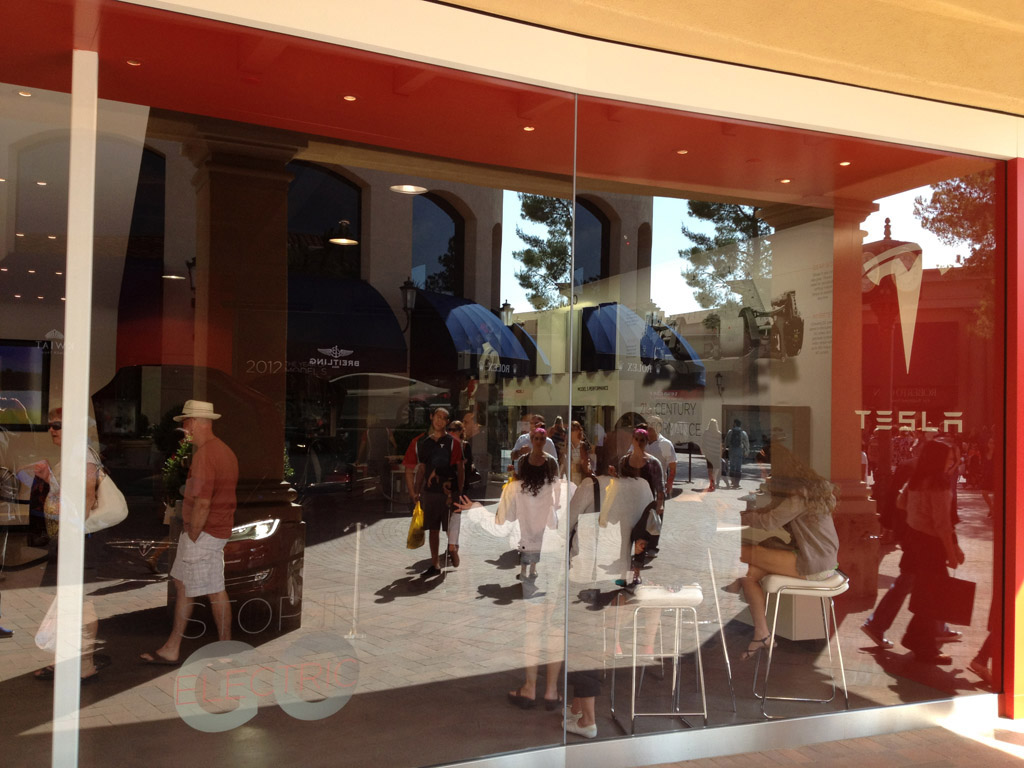
EV charging network developments are taking a surprising turn as Mercedes-Benz announces its decision to abandon its plans in Europe. This move has significant implications for the EV market and charging infrastructure.
Overview of Mercedes-Benz’s Decision
Mercedes-Benz recently announced its surprising decision to exit the EV charging network in Europe, a move that has raised eyebrows across the automotive industry. The company, which had been a strong advocate for electric vehicle infrastructure, is now reassessing its strategy in the rapidly evolving market.
In recent years, Mercedes-Benz had committed significant resources to develop a robust EV charging network aimed at enhancing the convenience of electric vehicle ownership. However, internal sources indicate that the company is grappling with challenges related to profitability and competition within the sector.
The decision to withdraw from the charging network is part of a larger trend among automakers as they navigate the complexities of the evolving electric vehicle landscape. Analysts suggest that this shift may lead to:
- Increased collaboration with third-party charging providers
- A renewed focus on battery technology and vehicle performance
- Potential partnerships to enhance consumer access to charging solutions
As the market continues to shift, Mercedes-Benz’s exit raises questions about the future of EV infrastructure in Europe.
Impact on EV Owners in Europe
The recent announcement by Mercedes-Benz to exit its EV charging network in Europe has sent shockwaves through the electric vehicle community. This decision raises significant concerns for EV owners who have relied on the company’s infrastructure for convenient charging options.
As the demand for electric vehicles continues to rise, the closure of such a prominent charging network could lead to several challenges:
- Reduced Accessibility: EV owners may find it harder to locate reliable charging stations, especially in urban areas where Mercedes-Benz had established a foothold.
- Increased Range Anxiety: With fewer charging options available, drivers may become apprehensive about the distance they can travel without charging, impacting their overall confidence in EV ownership.
- Market Disruption: The exit of a major player like Mercedes-Benz could lead to a fragmented charging landscape, affecting the growth of the EV market.
Ultimately, this decision could hinder the transition to sustainable transportation in Europe, leaving many EV owners searching for alternative charging solutions.
Future of EV Charging Infrastructure
The future of the EV charging infrastructure appears uncertain following Mercedes-Benz’s unexpected decision to exit its EV charging network in Europe. This move raises questions about the sustainability and expansion of charging solutions crucial for electric vehicle adoption.
Industry experts are concerned about the ripple effects on existing charging stations and partnerships. A few key factors are likely to influence the future landscape:
- Investment in Alternative Networks: Other automakers may need to step up their investments in charging infrastructure to fill the gap left by Mercedes-Benz.
- Government Initiatives: Continued support from governments, including subsidies and incentives, will be vital for ensuring a robust EV charging network.
- Technological Advancements: Innovations in fast-charging technology and battery efficiency could reshape the charging landscape, making it more accessible.
In summary, the exit of Mercedes-Benz from the EV charging network highlights the necessity for collaboration among automakers, governments, and private companies to create a resilient future for electric vehicle charging.
Market Reactions to the Announcement
Market reactions to Mercedes-Benz’s surprising decision to exit the EV charging network in Europe have been mixed, reflecting a blend of concern and optimism within the automotive industry.
Analysts are warning that this move could create a significant gap in the charging infrastructure, impacting not only Mercedes owners but also the wider ecosystem of electric vehicle users. Many believe that a robust charging network is essential for the growth of the EV market, and Mercedes-Benz’s withdrawal raises questions about the future viability of such initiatives.
On the other hand, some industry experts view this decision as a potential catalyst for other companies to fill the void. They suggest that the exit may encourage partnerships among remaining players, fostering competition and innovation in the EV charging network space.
Investors reacted cautiously, with shares of competing charging network firms seeing slight upticks as some anticipate increased demand for their services. The long-term implications of this decision remain to be seen, but it undoubtedly marks a pivotal moment in the evolution of EV infrastructure.
Alternatives for EV Charging
As Mercedes-Benz steps back from its EV charging network initiative in Europe, several alternatives are emerging for electric vehicle owners. These options aim to maintain the momentum of EV adoption and ensure accessibility to charging stations across the continent.
Among the notable alternatives are:
- Public Charging Stations: Various companies, including ChargePoint and Ionity, continue to expand their networks, providing widespread access to EV charging points.
- Home Charging Solutions: Many EV owners opt for home charging installations, allowing them to charge their vehicles overnight and avoid reliance on public infrastructure.
- Partnerships and Collaborations: Automakers are increasingly forming partnerships to share charging networks, enhancing accessibility and convenience for users.
- Wireless Charging Technologies: Innovations in wireless charging are being explored as a futuristic solution that could eliminate the need for traditional charging stations altogether.
While Mercedes-Benz’s exit may raise concerns, these alternatives highlight the evolving landscape of EV charging, ensuring that drivers can continue to embrace electric mobility.
What This Means for Other Automakers
The recent decision by Mercedes-Benz to exit the EV charging network in Europe raises significant questions for other automakers. This move could set a precedent, prompting other brands to reconsider their commitments to dedicated charging infrastructure. As the market for electric vehicles evolves, the implications of this decision may ripple through the industry.
Several factors are at play. First, the lack of a robust charging network can deter potential EV buyers, leading to a slower adoption rate across various brands. Automakers who have invested heavily in their own charging solutions may now reassess their strategies, potentially scaling back or seeking partnerships instead.
Furthermore, the exit of a prominent player like Mercedes-Benz could influence public perception of the viability of EVs. If consumers see a reduction in the availability of charging options, it may dampen enthusiasm for electric vehicles overall.
Ultimately, the future of EV charging infrastructure may hinge on how other manufacturers respond to this shocking decision, as collaboration could become essential in maintaining a sustainable network.
Conclusion and Next Steps
As the dust settles on Mercedes-Benz’s decision to exit the EV charging network in Europe, the implications of this move are becoming clearer. The company’s choice signifies a shift in strategy that could have lasting consequences for both the brand and the electric vehicle market at large.
In light of the current landscape, it is essential for stakeholders, including consumers and automakers, to assess their options. The departure of a major player like Mercedes-Benz raises questions about the sustainability of existing charging infrastructure and the future investments needed to support growing EV adoption.
Next steps for consumers include:
- Exploring alternative charging solutions offered by other manufacturers.
- Advocating for increased government investment in public charging stations.
- Staying informed about advancements in charging technology and infrastructure.
Ultimately, the future of the EV charging network will require collaboration among automakers, governments, and energy providers to ensure that electric vehicle users have reliable access to charging facilities.
By pacecharging via Openverse