Dr Wade Banker’s Approach to Advancing Precision and Efficiency in Medical Care
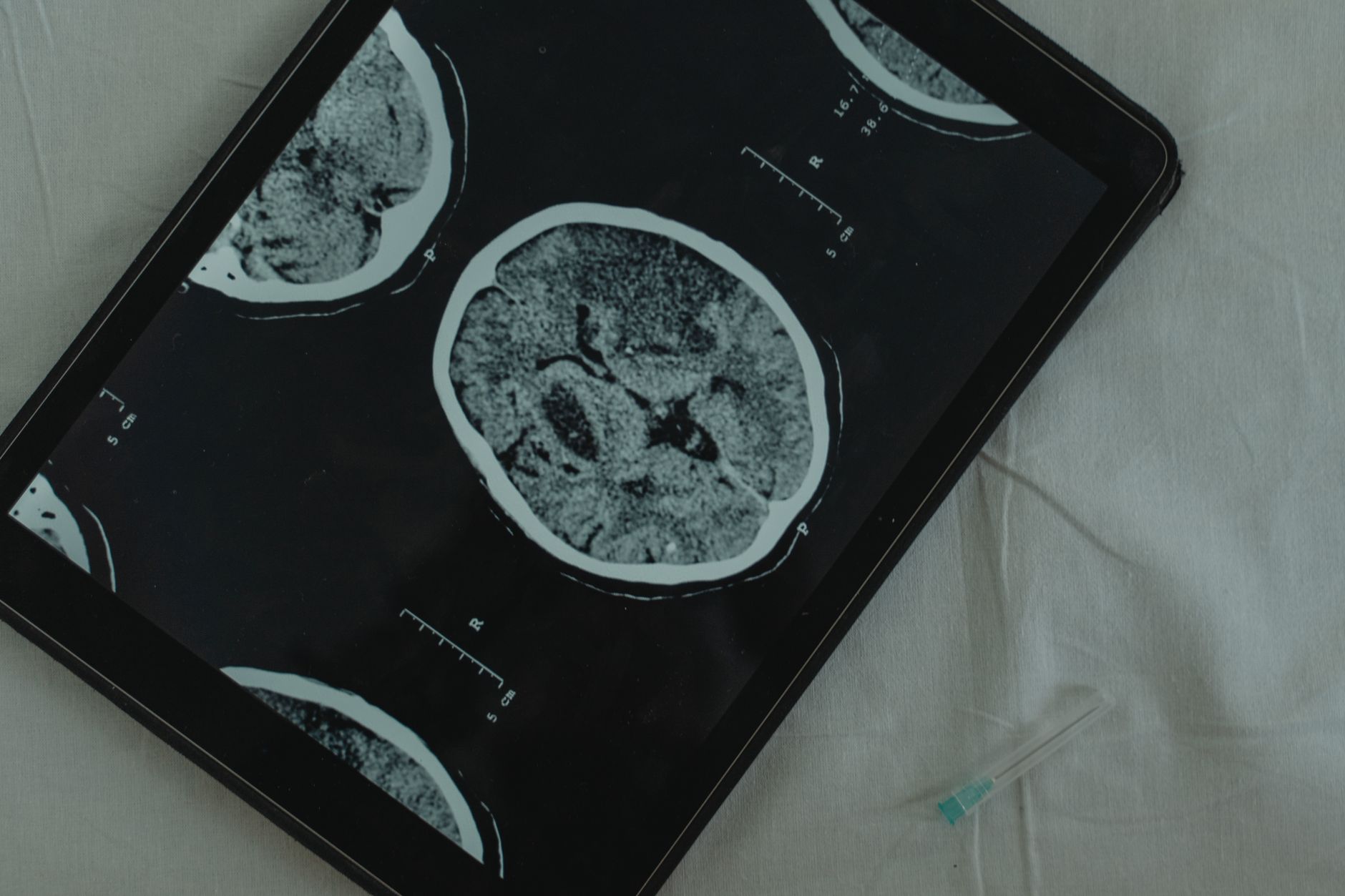
The progress of modern healthcare is closely connected to improvements in precision, technology, and clinical efficiency. Medical imaging has become an important foundation for this progress, providing detailed information that can support diagnosis, treatment planning, and minimally invasive procedures. With more than 25 years of experience in diagnostic and interventional radiology, Dr Wade Banker represents an approach that connects advanced imaging knowledge with practical clinical experience and a continuing focus on efficient, patient-centered care.
In This Article
- Precision as a Foundation for Modern Medical Practice
- Improving Efficiency Through Advanced Imaging
- Connecting Imaging With Interventional Care
- The Role of Experience in Clinical Efficiency
- Technology as a Tool for Better Care
- Supporting Patient-Centered Treatment Pathways
- Looking Toward Continued Progress
- Conclusion
Precision as a Foundation for Modern Medical Practice
Precision has become an essential objective across contemporary healthcare. In radiology, accurate imaging can provide clinicians with detailed information about anatomy and clinical conditions, supporting more informed decisions throughout the treatment process.
Achieving precision involves more than advanced equipment. It requires careful interpretation, appropriate imaging selection, and an understanding of how findings relate to individual clinical circumstances. Experienced professionals can bring these elements together to make imaging a meaningful part of comprehensive healthcare.
Improving Efficiency Through Advanced Imaging
Efficiency in medical care does not simply mean completing procedures quickly. It involves creating well-organized clinical pathways in which accurate information is available when it is needed. Advanced imaging can contribute to this process by providing valuable diagnostic information that supports treatment planning and communication among healthcare teams.
When imaging is effectively integrated into clinical workflows, it can help create a clearer path from assessment to appropriate intervention. This coordinated approach reflects the growing importance of radiology within modern healthcare systems.
Connecting Imaging With Interventional Care
The development of interventional radiology has further strengthened the relationship between imaging and treatment. Image-guided procedures allow clinicians to use detailed visual information when planning and performing targeted interventions.
Dr Wade Banker Toledo, Oh represents a professional background that combines diagnostic and interventional radiology. This combination illustrates how imaging expertise can support procedural planning while contributing to a broader model of minimally invasive and precision-focused care.
The Role of Experience in Clinical Efficiency
Clinical experience provides valuable insight into how different elements of healthcare work together. Over many years of practice, professionals can develop a stronger understanding of imaging interpretation, procedural requirements, patient considerations, and clinical coordination.
This knowledge can support efficiency by helping clinicians approach each situation with an informed perspective. Experience also provides a useful foundation for adapting to new technologies without losing sight of established principles of safe and effective practice.
Technology as a Tool for Better Care
Technological progress continues to expand the capabilities of medical imaging. Improved visualization, sophisticated guidance systems, and refined procedural technologies can provide new opportunities for precise diagnosis and treatment.
The value of these developments increases when technology is paired with professional judgment. Rather than focusing solely on technical advancement, an effective approach considers how new capabilities can improve clinical workflows and contribute to meaningful patient-care objectives.
Supporting Patient-Centered Treatment Pathways
Precision and efficiency ultimately have greater value when they support the patient experience. Modern medical care increasingly emphasizes individualized planning, clear communication, safety, and appropriate treatment selection.
Imaging can contribute to this model by providing information that helps healthcare professionals understand specific clinical needs. In interventional settings, targeted procedures can further support treatment approaches designed around appropriate patient circumstances.
Looking Toward Continued Progress
The future of medical care will continue to be shaped by innovation in imaging and minimally invasive treatment. As technologies become more advanced, the ability to combine them with clinical expertise will remain important.
Professionals with extensive experience can help connect emerging capabilities with established healthcare principles. This combination supports an environment where innovation can contribute to accuracy, efficiency, and continued improvement in clinical practice.
Conclusion
Precision and efficiency are increasingly important characteristics of modern healthcare, particularly within diagnostic and interventional radiology. The professional background of Dr Wade Banker demonstrates how extensive experience, advanced imaging knowledge, and an awareness of technological development can work together to support contemporary medical care. As radiology continues to evolve, this integrated approach can contribute to a future focused on accurate information, efficient treatment pathways, minimally invasive techniques, and positive patient-centered care.
Key Takeaways
- Medical imaging provides detailed information that supports diagnosis, treatment planning, and minimally invasive procedures in modern healthcare.
- Achieving precision in radiology requires careful interpretation, appropriate imaging selection, and an understanding of individual clinical circumstances.
- Advanced imaging contributes to efficiency by providing valuable diagnostic information that supports treatment planning and communication among healthcare teams.
- Image-guided procedures in interventional radiology utilize detailed visual information for targeted interventions, enhancing the connection between imaging and treatment.
- Clinical experience enables professionals to adapt to new technologies while maintaining established principles of safe and effective practice.
- The future of medical care will increasingly rely on the integration of advanced imaging technologies with clinical expertise to enhance accuracy and efficiency.