EV Charging Network Operators: The Best in India 2026
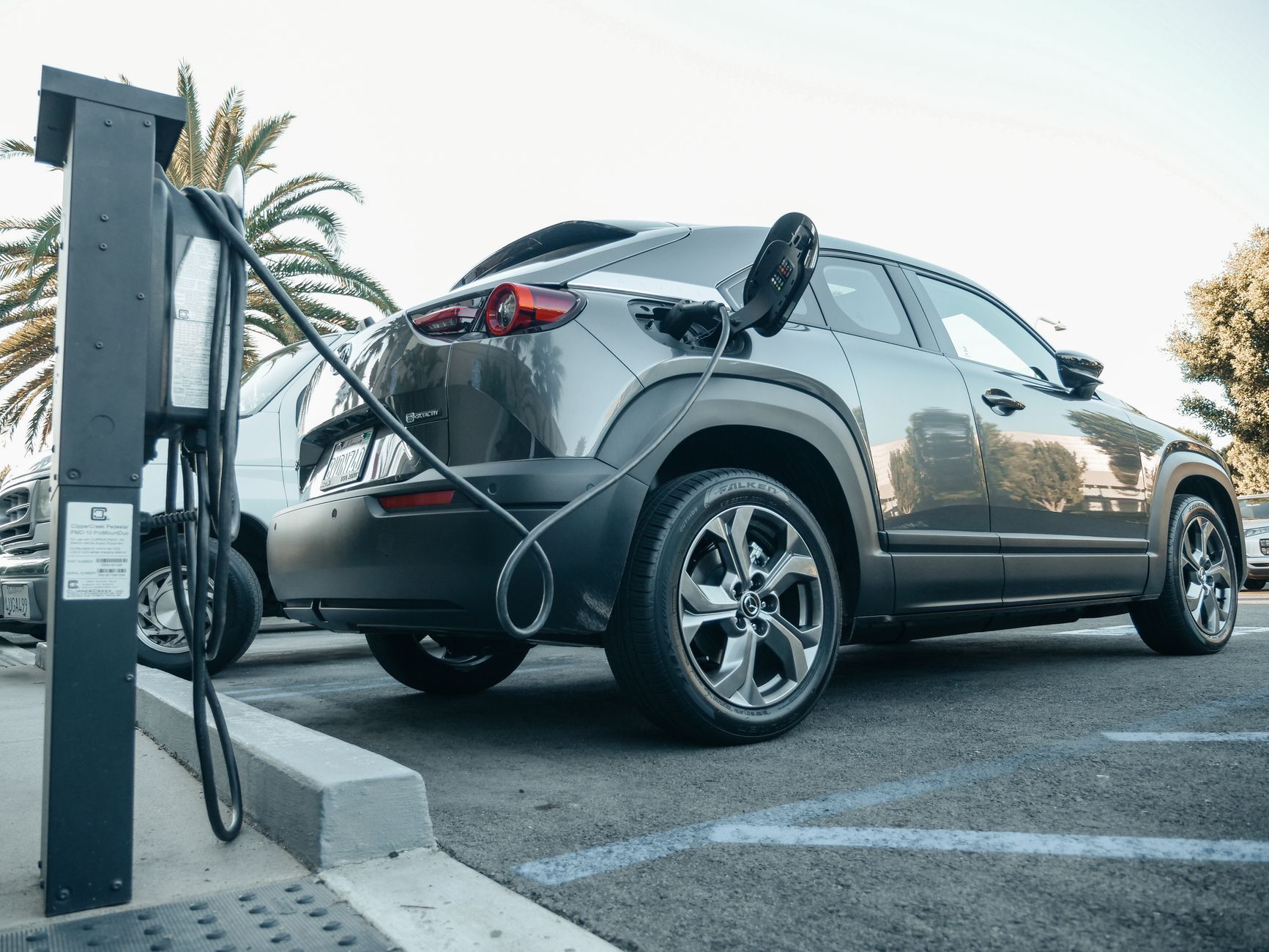
EV Charging Network Operators are set to play a vital role in India’s electric vehicle landscape by 2026. This article explores the top players in the market, their revenue, profitability, and consumer feedback.
Overview of EV Charging in India
The electric vehicle (EV) market in India has witnessed significant growth, and with it, the demand for an efficient EV charging network. As of 2026, several EV charging network operators have emerged as leaders in providing reliable charging solutions across the country. These operators have expanded their infrastructure to meet the rising number of EVs on the roads.
Key factors contributing to the success of these network operators include:
- Accessibility: Charging stations are being strategically located in urban and rural areas.
- Speed: Fast charging options are becoming more prevalent, reducing wait times for consumers.
- Affordability: Competitive pricing models are being implemented to attract a broader customer base.
- Customer Support: Enhanced consumer services are helping to address complaints and improve satisfaction.
As the EV market continues to evolve, the role of these charging network operators will be crucial in supporting the transition to sustainable transportation.
Key Players in the Market
As the demand for electric vehicles rises in India, the role of EV Charging Network Operators becomes increasingly crucial. Several key players are dominating the market, each offering unique services and features to cater to the growing needs of consumers.
- ChargePoint India: Known for its extensive network and user-friendly app, ChargePoint has emerged as a frontrunner.
- Revolt Motors: Focused on integrating smart technology, Revolt offers innovative charging solutions.
- PowerGrid: Leveraging its vast infrastructure, PowerGrid provides reliable and efficient charging stations across the country.
- Fortum: With its commitment to sustainability, Fortum is expanding its network rapidly, appealing to eco-conscious consumers.
- Shell Recharge: Shell is not only focusing on traditional fuel but also investing heavily in EV charging solutions.
These operators are setting the standards for profitability, customer satisfaction, and technological advancements in the EV charging landscape.
Revenue Insights for 2026
As the electric vehicle (EV) market continues to grow in India, the revenue insights for 2026 highlight the significant role of EV charging network operators in shaping this landscape. With a projected increase in EV sales, these operators are expected to witness substantial revenue growth.
The total revenue generated by the top EV charging network operators in India is estimated to reach ₹3,000 crores, a remarkable increase compared to previous years. This growth can be attributed to:
- Expansion of Charging Infrastructure: Increased investment in charging stations across urban and rural areas.
- Government Initiatives: Supportive policies aimed at promoting electric mobility and incentivizing charging infrastructure development.
- Consumer Adoption: A rise in consumer confidence and demand for electric vehicles, leading to higher usage of charging networks.
As competition among network operators intensifies, profitability will also depend on effective customer service and reducing consumer complaints to improve overall user satisfaction.
Profitability of Charging Networks
The profitability of charging networks is becoming increasingly critical as the demand for electric vehicles (EVs) continues to rise in India. In 2026, the landscape for EV Charging Network Operators is expected to shift significantly, with several factors influencing their financial success.
Key elements affecting profitability include:
- Operational Efficiency: Streamlining processes and reducing costs are vital for maximizing profit margins.
- Location Strategy: Deploying charging stations in high-traffic areas enhances visibility and accessibility, attracting more users.
- Partnerships: Collaborations with local governments and businesses can lead to increased funding and user engagement.
- Consumer Experience: Providing a seamless and user-friendly charging experience can drive repeat usage and customer loyalty.
With these factors in mind, the profitability of charging networks is poised to improve, positioning EV Charging Network Operators as key players in India’s evolving energy landscape.
Consumer Complaints and Feedback
As the adoption of electric vehicles (EVs) in India continues to rise, consumer feedback regarding EV charging network operators has become increasingly important. Many users express their experiences through various platforms, shedding light on the strengths and weaknesses of different operators.
Common complaints include:
- Charging Availability: Users often report a lack of sufficient charging stations in certain areas, leading to range anxiety.
- Charging Speeds: Some consumers have noted that charging times are longer than expected, which can be a significant inconvenience.
- Customer Support: Feedback indicates that response times for customer service inquiries are often slow, frustrating users when they encounter issues.
- Pricing Transparency: There are concerns regarding unclear pricing structures, with some customers feeling misled about costs associated with charging.
Despite these challenges, many EV charging network operators are actively working to address these concerns, aiming to enhance user satisfaction and improve the overall experience for electric vehicle owners in India.
Future Trends in EV Charging
The future of EV charging in India is poised for significant transformation as the market continues to evolve. With increasing adoption of electric vehicles, EV charging network operators are adapting to meet the growing demand. Key trends that are likely to shape the industry include:
- Expansion of Charging Infrastructure: As more cities adopt electric vehicles, the need for a robust charging network will increase. Operators are expected to accelerate the establishment of charging stations across urban and rural areas.
- Integration of Renewable Energy: There is a rising emphasis on using solar and wind energy sources to power charging stations, promoting sustainability.
- Advanced Payment Solutions: The integration of mobile apps and contactless payment options will simplify the user experience, making it more convenient for EV owners.
- Smart Charging Technologies: Innovations such as vehicle-to-grid (V2G) technology will allow for better energy management and grid stability.
These developments indicate a promising future for EV charging network operators and the overall EV market in India.
Conclusion and Recommendations
In conclusion, the landscape of EV charging network operators in India is rapidly evolving, driven by technological advancements and increasing consumer demand. As we look ahead to 2026, it’s evident that a few key players will dominate the market due to their extensive infrastructure and reliable services.
For consumers and businesses alike, choosing the right EV charging network operator can significantly impact the overall electric vehicle experience. It is essential to consider factors such as:
- Station availability: The number of charging stations and their strategic locations.
- Charging speed: The efficiency of the charging process.
- Pricing: Competitive rates for charging sessions.
- Customer support: Responsiveness to consumer complaints and feedback.
As the industry matures, consumers are encouraged to stay informed about the evolving options and to choose operators that prioritize both quality service and sustainability in their operations.
Photo by Kindel Media on Pexels
Read the original
Honda Alabama Plant Investment: A Smart Move for Production · Hyundai Electric MPV: The Best 7-Seater for Families · Tesla Model 3 longevity: The Real Truth About Car Parts