S G Laboratories: Advancing Diagnostic Quality Through Professional Laboratory Practices
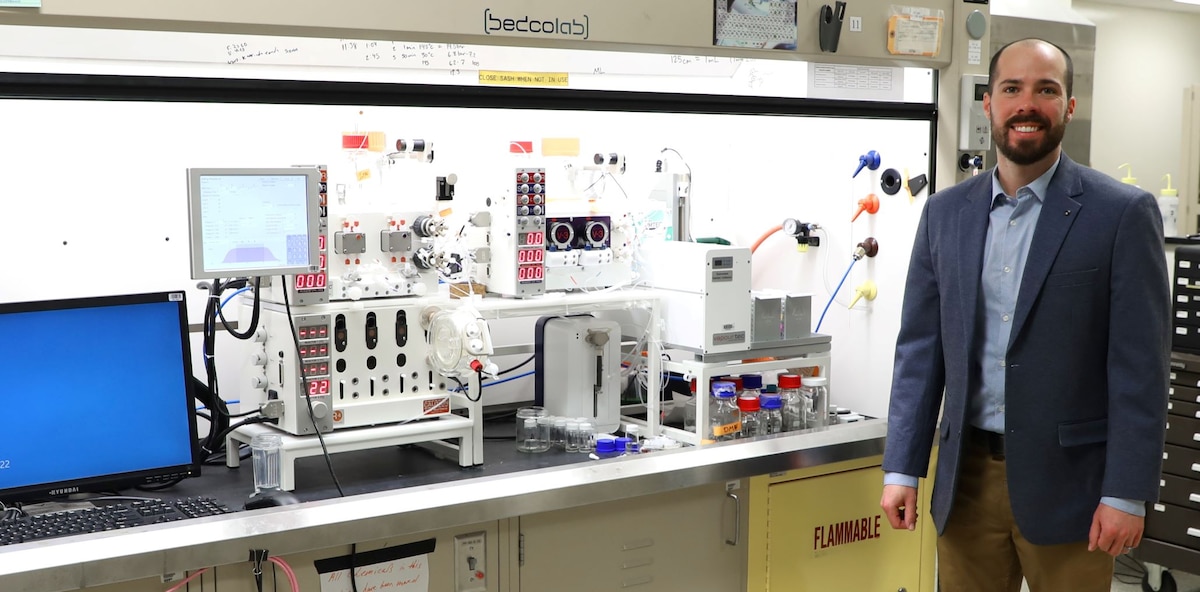
Healthcare decisions often depend on information that cannot be obtained through observation alone. Diagnostic laboratories provide this essential information by examining patient specimens and producing findings that assist healthcare professionals in understanding individual health needs. Reliable laboratory operations require much more than advanced equipment. They depend on careful procedures, trained personnel, quality monitoring, and responsible information management. Within this professional setting, S & G Labs illustrates the value of a diagnostic approach centered on consistency, accuracy, and confidence.
In This Article
- Understanding the Diagnostic Workflow
- Why Consistency Matters
- Monitoring Performance and Quality
- The Importance of Skilled Professionals
- Technology as a Supporting Tool
- Building Trust Through Communication
- Looking Toward the Future
Understanding the Diagnostic Workflow
Every laboratory result begins with a specimen, making the early stages of the diagnostic workflow especially important. Correct patient identification, proper specimen collection, accurate labeling, and appropriate transportation all influence the integrity of testing. A well-designed workflow helps reduce avoidable problems before analysis even begins.
Once specimens enter the laboratory, established procedures guide preparation and testing. Laboratory professionals monitor processes carefully and review findings according to applicable standards. This structured approach helps create dependable results that physicians can incorporate into broader clinical evaluations.
Why Consistency Matters
Consistency is one of the defining characteristics of professional laboratory services. Healthcare providers may request similar tests at different points during a patient’s care, making dependable procedures important for meaningful comparison. Stable laboratory practices can help clinicians recognize changes and determine whether additional evaluation may be appropriate.
Consistency also applies to internal laboratory operations. Equipment should be maintained appropriately, testing procedures should be documented, and staff should understand their responsibilities. When each part of the workflow follows a clear standard, the laboratory can operate with greater organization and accountability.
Monitoring Performance and Quality
Laboratory quality is supported through ongoing monitoring rather than occasional inspection. Internal quality controls, equipment checks, staff training, documentation, and process reviews can help identify potential concerns. When an unexpected result or operational issue appears, a structured review can help determine what happened and whether corrective action is required.
Performance monitoring also creates opportunities for improvement. Laboratories can examine workflow efficiency, identify recurring challenges, and refine procedures where appropriate. This process supports a professional culture in which quality is actively maintained across daily operations.
The Importance of Skilled Professionals
Although laboratory technology has become increasingly sophisticated, human expertise remains central to diagnostic quality. Professionals are responsible for following established protocols, recognizing unusual situations, reviewing information, and maintaining appropriate standards throughout the testing process.
Training is therefore an ongoing responsibility. As diagnostic methods, equipment, and information systems develop, laboratory teams need opportunities to maintain and expand their knowledge. Professional development supports confidence in daily laboratory operations and encourages careful attention to detail.
Technology as a Supporting Tool
Digital laboratory systems can improve organization by supporting specimen tracking, information management, reporting, and workflow coordination. Automated equipment may assist with repetitive procedures and help laboratories manage complex testing environments.
Yet technology should complement professional judgment rather than replace it. Automated processes still require supervision, maintenance, validation, and quality review. A balanced laboratory model combines technological capability with human oversight to protect the integrity of diagnostic information.
Building Trust Through Communication
Laboratory services are closely connected to physicians, healthcare organizations, and patients. Clear communication helps ensure that test information reaches the appropriate people in a useful format. When questions arise about a specimen or result, timely professional communication can support appropriate clinical follow-up.
Patient trust also depends on privacy and responsible information handling. Diagnostic information is sensitive, so laboratories must maintain appropriate safeguards throughout collection, processing, storage, and reporting. S & G Labs reflects the importance of treating laboratory information with professionalism and care.
Looking Toward the Future
The future of diagnostic laboratory services will continue to involve advances in technology, changing healthcare needs, and greater emphasis on quality management. Laboratories that combine innovation with disciplined procedures will be better positioned to provide dependable support to healthcare professionals.
Ultimately, effective diagnostic services are built through many connected practices: accurate specimen handling, qualified personnel, appropriate technology, continuous quality monitoring, and responsible communication. These elements create a foundation for trustworthy healthcare information. Through this perspective, S & G Labs represents the broader standard of professional laboratory practice, where reliable diagnostic support remains an essential part of informed and patient-focused healthcare.
Key Takeaways
- Diagnostic laboratories analyze patient specimens to provide information crucial for healthcare decisions.
- Reliable laboratory operations depend on trained personnel, quality monitoring, and established procedures, beyond advanced equipment.
- Consistency in laboratory processes is vital for reliable test results and effective patient care evaluations over time.
- Ongoing performance monitoring through internal quality controls and staff training fosters a culture of continuous improvement in laboratories.
- Skilled professionals play a key role in maintaining diagnostic quality, requiring continuous training to keep up with advancements in technology and procedures.
- Effective laboratory services rely on clear communication to ensure timely sharing of test information with healthcare providers and maintain patient trust.