Lower GST on EVs: Is It the Right Move for MG Motor?
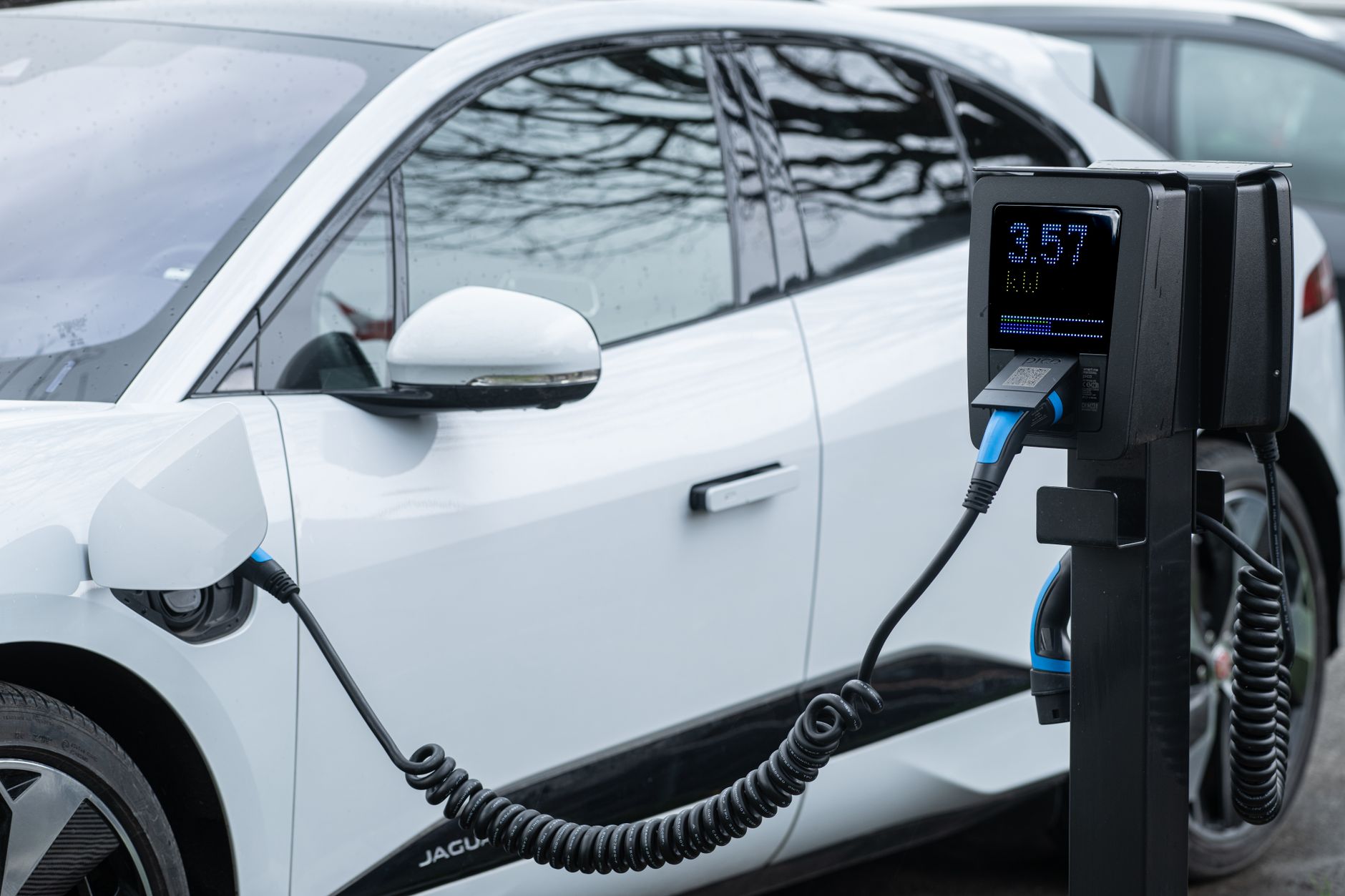
Lower GST on EVs is a topic gaining traction as JSW MG Motor seeks to reduce tax burdens on range extender electric vehicles. This move could reshape the market.
Impact of Lower GST on EV Market
The recent push by MG Motor for a lower GST on EVs has sparked significant discussions within the automotive industry. As more manufacturers pivot towards electric vehicles, the financial implications of tax structures become increasingly critical. A reduction in GST could potentially reshape the market landscape for electric vehicles.
Advocates of lowering GST on EVs argue that such a move would:
- Encourage Consumer Adoption: Reduced costs could make EVs more accessible to a broader audience, incentivizing consumers to choose electric over traditional gasoline vehicles.
- Stimulate Industry Growth: With lower prices, manufacturers may see increased sales, leading to higher production rates and greater investment in EV technology.
- Support Environmental Goals: The transition to electric vehicles is vital for reducing carbon emissions, and financial incentives can drive quicker adoption among environmentally conscious consumers.
However, there are concerns regarding the potential loss of government revenue from decreased GST rates. Policymakers must weigh the immediate financial implications against the long-term benefits of a robust EV market. While MG Motor’s request reflects a broader industry trend, the ultimate decision will significantly influence the future trajectory of electric vehicle sales in the country.
As discussions continue, many are left wondering: will lowering GST on EVs be the catalyst the market needs for sustainable growth?
JSW’s Proposal Explained
JSW’s recent proposal to lower GST on electric vehicles (EVs) specifically targets the growing market for range extender EVs, which combine the benefits of traditional gasoline engines with electric power. The company argues that a reduced GST on EVs would stimulate consumer interest and ultimately lead to increased sales.
In their proposal, JSW highlighted several key points:
- Market Growth: The EV sector is experiencing rapid growth, and lowering GST could accelerate this trend by making vehicles more affordable to the average consumer.
- Environmental Benefits: By promoting the adoption of range extender EVs, the proposal aligns with government goals of reducing carbon emissions and supporting sustainable transportation.
- Financial Incentives: A lower GST on EVs would provide a financial incentive for manufacturers like MG Motor to invest in research and development, enhancing technology and efficiency in their vehicles.
- Consumer Accessibility: Lowering the GST would make EVs more accessible to a larger segment of the population, potentially increasing the market share for electric vehicles.
Overall, JSW’s proposal seeks to address current barriers in the EV market, with a focus on range extender vehicles, and poses the question: is lowering GST on EVs the right move for companies like MG Motor to thrive in this competitive landscape?
Benefits for Consumers and Manufacturers
The proposal to lower GST on EVs has elicited a range of responses, particularly regarding its potential benefits for both consumers and manufacturers. If implemented, a reduction in the Goods and Services Tax could lead to significant savings for buyers, making electric vehicles more accessible.
For consumers, the advantages of lower GST on EVs may include:
- Reduced Purchase Price: A decrease in tax can directly translate to lower upfront costs for buyers, making EVs a more attractive option.
- Increased Adoption: As affordability improves, more consumers may consider switching to electric vehicles, contributing to a cleaner environment.
- Long-Term Savings: With lower initial costs, consumers can also benefit from reduced running costs associated with EVs, such as lower fuel and maintenance expenses.
For manufacturers like MG Motor, the potential benefits are equally compelling:
- Increased Sales: Lowering GST on EVs could stimulate demand, helping companies to sell more vehicles.
- Enhanced Competitiveness: A more favorable tax framework could position manufacturers more favorably against traditional vehicles, driving innovation in the EV sector.
- Investment in Infrastructure: With increased sales, manufacturers may invest more in EV infrastructure, benefiting the industry as a whole.
Overall, the implications of lower GST on EVs could be far-reaching, influencing consumer behavior and manufacturer strategies alike.
Future of Electric Vehicles in India
The future of electric vehicles (EVs) in India is poised for significant transformation, driven by initiatives aimed at boosting the adoption of cleaner transportation options. As the government considers requests to lower GST on EVs, the automotive landscape is evolving to accommodate a surge in environmentally friendly technologies.
Several factors contribute to the optimistic outlook for EVs in India:
- Government Support: With ongoing policies promoting green energy, the Indian government is committed to increasing the share of electric vehicles on the roads.
- Infrastructure Development: The expansion of charging infrastructure is gaining momentum, making EV ownership more practical for consumers.
- Technological Advancements: Innovations in battery technology and vehicle efficiency are making EVs more appealing to a broader audience.
- Consumer Awareness: Growing environmental consciousness among consumers is driving demand for sustainable transportation alternatives.
Despite these positive trends, challenges remain. The cost of EVs can still be a hurdle for many potential buyers, which is where the call to lower GST on EVs becomes significant. By making these vehicles more affordable, the government can accelerate the transition to electric mobility. Ultimately, the success of EVs in India will depend on a collaborative effort between manufacturers, policymakers, and consumers to navigate these changing dynamics.
Photo by smart-me AG on Pexels
References
Related stories
Blanc de Blancs vs Blanc de Noirs: What’s the Difference? · AP TET Result 2026: Easy Steps to Check Your Results Now · UGC NET June 2026: Quick Guide to Objection Process