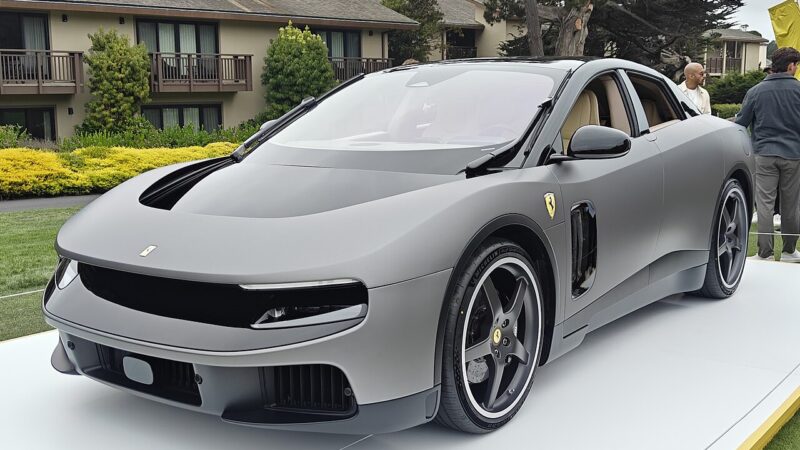
Is the EV transition gap the worst challenge for states?
The EV transition gap is becoming increasingly evident as states adopt electric vehicles at different rates. This disparity raises critical questions about infrastructure and policy support.
Understanding the EV Transition Gap
The electric vehicle (EV) transition gap represents a significant challenge for states as they strive to meet sustainability goals. While some states are making rapid progress in adopting EV technology, others lag behind, creating disparities that could hinder nationwide efforts to reduce emissions.
Several factors contribute to this widening gap:
- Infrastructure Investment: States that invest in robust charging infrastructure see higher adoption rates. Areas lacking these facilities face barriers to EV ownership.
- Incentives and Policies: States offering tax credits, rebates, and other incentives encourage consumers to choose EVs. Conversely, states with minimal support may experience slower transitions.
- Public Awareness: Education plays a crucial role in the EV transition gap. States that engage in public outreach about the benefits of electric vehicles tend to have more informed consumers.
- Geographical Considerations: Urban areas often have better access to EV resources compared to rural regions, leading to disparities in adoption rates.
As the nation moves toward electrification, addressing the EV transition gap is essential for ensuring equitable access to clean transportation. States must collaborate and share best practices to bridge this gap, ensuring that all communities can benefit from the advancements in EV technology.
Factors Contributing to State Disparities
The transition to electric vehicles (EVs) is not uniform across the United States, leading to significant disparities among states. Several factors contribute to this EV transition gap, impacting how quickly and effectively states can adopt sustainable transportation options.
- Infrastructure Development: The availability of charging stations varies widely. States with robust infrastructure encourage EV adoption, while those lacking sufficient charging options hinder progress.
- Incentive Programs: State incentives play a crucial role in promoting EV purchases. States with generous rebates, tax credits, and incentives for both consumers and manufacturers tend to experience higher adoption rates.
- Public Awareness: Education and outreach efforts influence consumer attitudes towards EVs. States that prioritize public awareness campaigns see greater interest and acceptance among residents.
- Economic Factors: States with stronger economies may support the transition more effectively through funding and investment in clean energy technologies. Conversely, economically challenged states may struggle to facilitate the necessary changes.
- Policy Framework: Comprehensive policies and regulations fostering clean energy initiatives can lead to more significant progress. States that adopt forward-thinking policies are better positioned to bridge the EV transition gap.
These factors collectively highlight the complex landscape of EV adoption and underscore the challenges states face in achieving equitable progress towards a sustainable future.
Impact on Electric Vehicle Adoption
The impact of the EV transition gap is becoming increasingly evident as states navigate the complex landscape of electric vehicle adoption. While some states lead the charge towards a sustainable future, others struggle to keep pace, resulting in a pronounced disparity in adoption rates.
Several factors contribute to this uneven progress:
- Incentive Structures: States that offer robust incentives for electric vehicle purchases often see higher adoption rates. These incentives can include tax rebates, grants, and subsidies that lower the overall cost for consumers.
- Infrastructure Development: The availability of charging stations is crucial for encouraging EV use. States that invest in extensive charging networks provide greater accessibility, making electric vehicles a more practical choice for residents.
- Public Awareness: States that prioritize educational campaigns about the benefits of electric vehicles tend to foster a more informed consumer base. This awareness can drive interest and demand for EVs.
Moreover, the EV transition gap not only affects consumer choices but also has implications for state economies and environmental goals. States lagging in EV adoption may miss out on economic opportunities associated with the growing electric vehicle market, including job creation and technological innovation.
As the gap widens, the challenge of ensuring equitable access to electric vehicles becomes a pressing concern for policymakers across the nation.
Policy Solutions for Bridging the Gap
As states grapple with the challenges of the electric vehicle (EV) transition gap, several policy solutions have emerged to help bridge this widening divide. Addressing the disparities in EV adoption and infrastructure investment is crucial for ensuring that all states can benefit from the transition to cleaner transportation.
One effective approach is the implementation of incentive programs that encourage both consumers and manufacturers to invest in electric vehicles. These incentives could include tax credits, rebates, and grants, making EVs more accessible to a broader audience.
Furthermore, collaboration between states can play a vital role in narrowing the transition gap. By sharing best practices and resources, states can learn from each other’s successes and challenges, creating a more cohesive strategy for EV integration.
Investment in charging infrastructure is another key policy solution. States can allocate funds for the development of widespread charging networks, ensuring that EV owners have convenient access to charging stations regardless of their location. This will help alleviate range anxiety and encourage more drivers to switch to electric vehicles.
Lastly, public awareness campaigns focusing on the benefits of EVs and the importance of the transition can drive consumer interest and participation. By addressing the EV transition gap through these multifaceted policy solutions, states can foster a more equitable and sustainable future in transportation.
Future of EV Transition in the U.S.
The future of the electric vehicle (EV) transition in the U.S. hinges on addressing the growing EV transition gap that exists between states. As the nation moves toward a more sustainable transportation system, some states are advancing rapidly, while others lag behind, creating disparities that could hinder overall progress.
States that embrace robust policies and incentives are seeing higher adoption rates of electric vehicles. These include:
- Financial incentives: Tax rebates and grants encourage consumers to purchase EVs.
- Charging infrastructure: Investments in public charging stations make EV ownership more feasible.
- Education and outreach: Programs that inform residents about the benefits of EVs can drive interest and demand.
Conversely, states that lack these initiatives face significant hurdles. As the EV market grows, those without adequate support risk falling behind, which could stifle local economies and worsen air quality. This disparity highlights the importance of collective action and targeted policy measures to bridge the EV transition gap.
Looking ahead, collaboration between state governments, private sectors, and communities will be crucial. Initiatives that promote equitable access to EVs and infrastructure can ensure that the benefits of this transition are shared broadly, fostering a more sustainable future for all Americans.
Sources
You might also like
Is Ramayana advance booking the best way to secure tickets? · TVS Ronin Agonda series: Worth the Price with Proven Features · Simple Wave Variants: Best Introductory Offer Revealed