Electric-Truck Charging Costs: Proven Ways to Lower Expenses
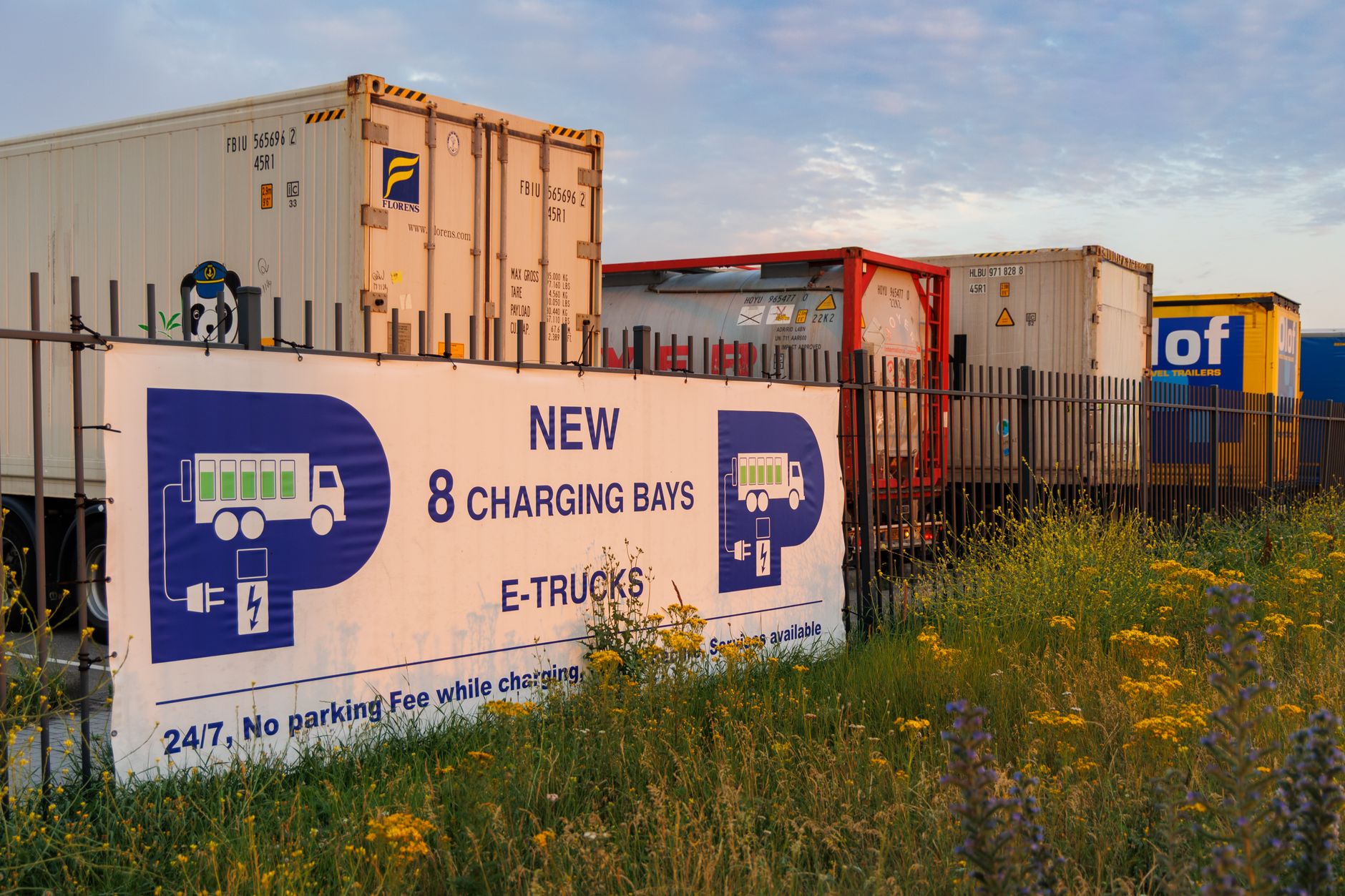
Electric-Truck Charging Costs can be significantly lowered through innovative shared renewable power strategies. As the industry evolves, these solutions are becoming increasingly viable.
Understanding Electric-Truck Charging
As the adoption of electric trucks grows, understanding electric-truck charging becomes increasingly important for fleet operators and businesses. The costs associated with charging these vehicles can significantly affect overall operational expenses. However, there are several strategies to mitigate these costs.
One effective approach is to utilize shared renewable power. This method involves integrating renewable energy sources, such as solar or wind, into the charging infrastructure. By harnessing these resources, fleet operators can reduce their dependency on grid electricity, which can be subject to fluctuating costs.
In addition, implementing smart charging solutions can optimize charging times and costs. These systems can automatically schedule charging during off-peak hours when electricity rates are lower. Furthermore, investing in high-capacity charging stations can enhance efficiency and reduce downtime for vehicles.
Businesses can also explore incentives and rebates available for electric vehicle charging infrastructure. Many governments and local authorities offer financial support to promote electric vehicle use, which can help offset initial setup costs.
By understanding electric-truck charging costs and leveraging these strategies, companies can not only lower their expenses but also contribute to a more sustainable future.
The Role of Renewable Energy
The transition to electric trucks is not only about vehicle performance but also about managing expenses effectively. One significant factor influencing electric-truck charging costs is the source of electricity used for charging. Utilizing renewable energy can lead to substantial savings and positive environmental impacts.
Renewable energy sources, such as solar, wind, and hydropower, offer a sustainable alternative to fossil fuels. By investing in renewable energy infrastructure, fleet operators can mitigate the fluctuating prices of traditional energy sources. Here are some ways renewable energy can help reduce charging costs:
- Long-term Savings: The initial investment in renewable energy systems may be high, but the long-term savings on electricity costs can be significant.
- Incentives and Rebates: Many governments provide financial incentives and rebates for utilizing renewable energy, further lowering overall expenses.
- Energy Independence: Relying on local renewable sources can protect fleets from market volatility, creating stable charging costs.
- Reduced Carbon Footprint: Using clean energy aligns with sustainability goals and enhances a company’s reputation.
In conclusion, embracing renewable energy can play a vital role in lowering electric-truck charging costs while contributing to a greener future.
Cost Analysis of Charging Solutions
When considering the Electric-Truck Charging Costs, businesses must analyze the various charging solutions available. This analysis is crucial for optimizing expenses and ensuring sustainable operations. Key factors influencing these costs include:
- Charging Infrastructure: Investing in the right infrastructure can significantly impact overall costs. Level 2 chargers are typically less expensive than DC fast chargers, but they may take longer to charge the vehicle.
- Electricity Rates: The cost of electricity varies by region and is influenced by peak and off-peak rates. Utilizing charging during off-peak hours can lead to lower electricity costs.
- Incentives and Rebates: Many governments offer financial incentives for businesses that invest in electric vehicle charging solutions. These can help offset initial setup costs and reduce long-term expenses.
- Shared Renewable Power: By partnering with renewable energy providers, companies can access lower-cost charging solutions. This not only reduces expenses but also supports sustainability initiatives.
In summary, a thorough cost analysis of charging solutions is essential for businesses looking to minimize Electric-Truck Charging Costs. By evaluating infrastructure, electricity rates, available incentives, and renewable energy partnerships, companies can make informed decisions that enhance their bottom line.
Benefits of Shared Power
In the quest to reduce electric-truck charging costs, one of the most promising avenues is the concept of shared power. By utilizing community-based renewable energy sources, fleet operators can significantly lower their charging expenses while contributing to environmental sustainability.
Shared power systems allow multiple users to access a centralized source of renewable energy, such as solar or wind. This collective approach can lead to greater efficiency and lower individual costs, benefiting both small businesses and large fleets. Here are some of the key advantages:
- Cost Reduction: By pooling resources, companies can negotiate better rates for energy procurement and maintenance of charging infrastructure.
- Access to Grants and Incentives: Shared renewable initiatives often qualify for government incentives, making the transition more affordable.
- Enhanced Reliability: A shared system can provide a more stable energy supply, reducing the risk of downtime due to charging shortages.
- Community Engagement: Collaborating with local energy providers fosters a sense of community and promotes sustainable practices.
By leveraging shared power strategies, companies can not only mitigate electric-truck charging costs but also drive the transition toward greener transportation solutions.
Future of Electric Trucking
The future of electric trucking is poised for significant transformation as advancements in technology and infrastructure continue to evolve. One major area of focus is the electric-truck charging costs, which have a considerable impact on the overall operating expenses for fleet operators.
As more companies adopt electric trucks, the need for efficient and cost-effective charging solutions becomes paramount. Innovations in battery technology are expected to enhance charging speeds, reducing downtime and improving fleet productivity. Additionally, the integration of smart grid systems will allow for optimized energy usage during off-peak hours, further mitigating costs.
Moreover, partnerships between trucking companies and renewable energy providers are likely to flourish, creating a more sustainable and affordable energy ecosystem. By harnessing wind and solar power, fleets can significantly decrease their reliance on traditional power sources, ultimately lowering charging costs.
Lastly, government incentives and funding for electric vehicle infrastructure will play a crucial role in shaping the future landscape of electric trucking. As charging stations become more accessible and affordable, the transition to electric fleets will accelerate, making a positive impact on both the environment and the economy.
Challenges in Implementation
Implementing effective solutions to reduce electric-truck charging costs presents several challenges that fleet operators must navigate. One major issue is the variability in charging infrastructure availability. Many regions lack adequate charging stations, making it difficult for operators to find convenient and cost-effective charging options.
Another challenge is the high initial investment required to install charging systems. While long-term savings from lower fuel expenses are substantial, the upfront costs can deter businesses from adopting electric trucks. Additionally, the integration of renewable energy sources into charging stations often requires significant upgrades to existing electrical grids, posing logistical and financial hurdles.
Furthermore, the technology surrounding electric-truck charging is rapidly evolving. Fleet operators must stay informed about the latest advancements to make informed decisions about charging solutions. This includes understanding the implications of different charging speeds, battery capacities, and payment systems.
Lastly, fluctuating energy prices can impact overall charging costs, adding another layer of complexity. As electric-truck charging expenses can vary widely based on time and location, fleet managers need to develop strategies to mitigate these fluctuations and ensure predictable operational costs.
Without addressing these challenges, reducing electric-truck charging costs will remain a significant obstacle for the logistics industry.
Conclusion and Recommendations
In conclusion, addressing the electric-truck charging costs is essential for the growth and sustainability of the electric trucking industry. As we have explored, leveraging renewable energy sources and shared power solutions can significantly reduce expenses associated with charging electric trucks. By investing in infrastructure that supports these innovative approaches, companies can not only lower their operational costs but also contribute to a greener environment.
To further minimize charging costs, it is advisable for fleet operators to:
- Evaluate Charging Locations: Identify optimal charging sites that utilize renewable energy sources, which can be more economical.
- Implement Smart Charging Solutions: Utilize technology that allows for charging during off-peak hours to take advantage of lower energy rates.
- Participate in Cooperative Programs: Engage in partnerships with other fleets to share charging stations and resources.
- Monitor Charging Patterns: Analyze charging data to adjust strategies and optimize energy consumption.
By adopting these recommendations, businesses can effectively navigate the challenges of electric-truck charging costs, ensuring a more cost-effective and sustainable future for electric trucking.
Photo by Igor Passchier on Pexels
Where this came from
BMW F 450 RR: The Best New Bike You Need to Know About · Toyota Glanza Facelift: What to Expect from the Launch · 2026 Hyundai Bayon: The Best Proven Compact SUV