BMW 3 Series pricing: The Worst Premium EV Cost
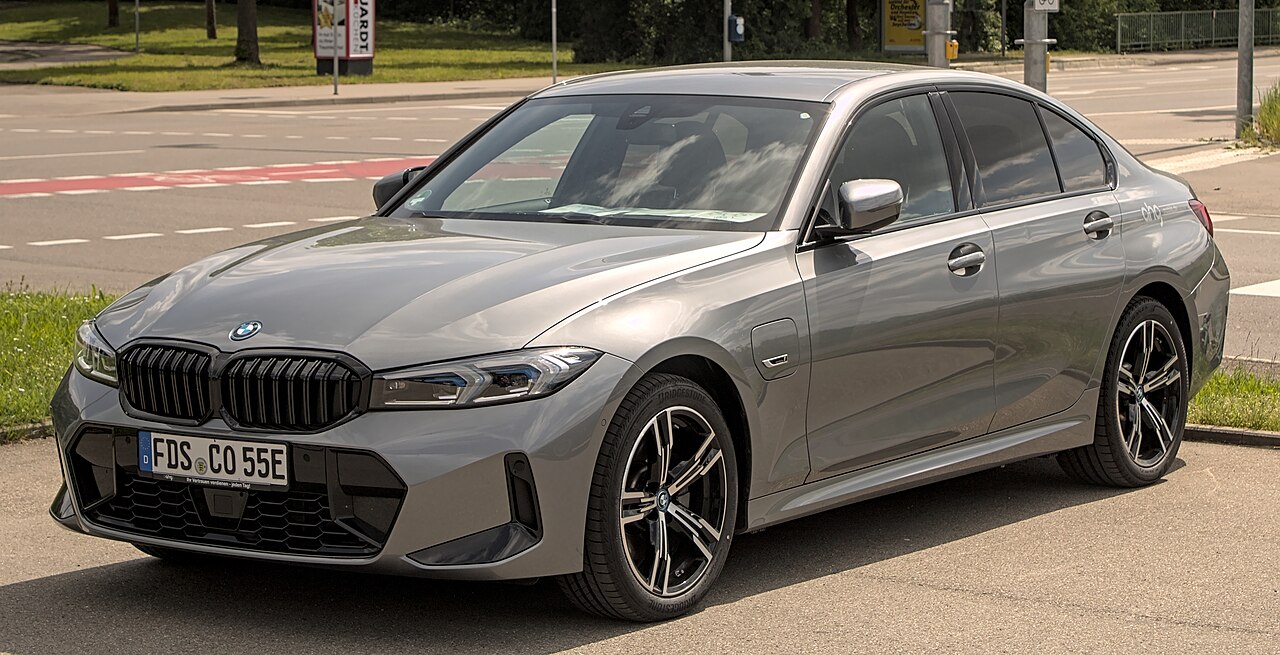
BMW 3 Series pricing has been revealed, showing that the EV carries a hefty premium compared to its gasoline counterparts. This pricing strategy may impact consumer choices.
Overview of BMW 3 Series Pricing
The BMW 3 Series has long been a favorite among luxury sedan enthusiasts, but recent changes in pricing have raised eyebrows. The introduction of the electric variant has significantly impacted the overall cost of the lineup, with the latest information revealing that the BMW 3 Series pricing is now among the highest in its class.
As automakers increasingly shift towards electric vehicles, the premium associated with the BMW 3 Series EV is particularly notable. Buyers looking to invest in this premium offering can expect to pay a substantial amount more than for the traditional gasoline models. The pricing adjustments reflect not only the technology integrated into the EV but also the brand’s commitment to sustainable luxury.
Here are some key points regarding the pricing of the BMW 3 Series:
- Base Model: The starting price for the entry-level gasoline model remains competitive.
- Electric Variant: The EV version carries a hefty premium compared to its gasoline counterpart.
- Additional Features: Optional upgrades can further increase the overall cost.
In conclusion, potential buyers need to consider the implications of the current BMW 3 Series pricing before making a purchase decision.
Comparison with Traditional Models
As the automotive market shifts towards electrification, the comparison of the BMW 3 Series pricing with traditional models becomes increasingly relevant. The iconic sedan, known for its performance and luxury, now faces the challenge of a significantly higher cost for its electric variant.
When examining the pricing structure, it is evident that the BMW 3 Series electric model comes with a steep premium compared to its gasoline counterparts. Here are some key points of comparison:
- Base Model Pricing: The traditional entry-level 3 Series starts at a competitive price point, making it accessible for many consumers.
- Electric Premium: In contrast, the electric version’s price tag reflects the advanced technology and features, inevitably pushing it into a higher bracket.
- Performance vs. Cost: While the electric model offers impressive performance metrics, the additional cost may deter potential buyers who are more familiar with the traditional offerings.
- Incentives: Potential buyers should consider federal and state incentives that could help mitigate the premium associated with the electric version.
Ultimately, understanding the differences in BMW 3 Series pricing is crucial for consumers navigating the evolving market of premium vehicles.
Market Reaction to EV Pricing
The announcement of the BMW 3 Series pricing for its electric variant has sparked varied reactions in the market. Enthusiasts and potential buyers are expressing concern over the significant premium associated with the EV model compared to its traditional counterparts.
Several factors contribute to the market’s response:
- High Initial Cost: Many consumers are surprised by the starting price of the electric 3 Series, which is considerably higher than the gasoline variants.
- Perceived Value: Customers are questioning whether the features and technology offered in the EV justify the additional expense.
- Competition: Other manufacturers are also releasing electric vehicles at more competitive prices, raising concerns about BMW’s pricing strategy.
Despite the hefty premium, BMW argues that the 3 Series pricing reflects the advanced technology and performance capabilities of the electric model. However, this justification may not resonate with every consumer, especially those who are price-sensitive.
As the market for electric vehicles continues to grow, it remains to be seen how the pricing of the BMW 3 Series will affect its sales in the increasingly competitive EV landscape.
Features of the New BMW 3 Series
The new BMW 3 Series has generated significant interest not just for its performance and design, but also for the range of features it offers. As the automotive market evolves, understanding the BMW 3 Series pricing becomes essential for potential buyers.
Among the standout features of the new BMW 3 Series are:
- Advanced Technology: The vehicle is equipped with an intuitive infotainment system that offers seamless connectivity and user-friendly navigation.
- Performance Enhancements: With improved aerodynamics and a more powerful electric drivetrain, the 3 Series promises an exhilarating driving experience.
- Safety Innovations: State-of-the-art safety features, including adaptive cruise control and lane-keeping assist, ensure a secure ride for all passengers.
- Sustainable Materials: The interior boasts premium materials that are environmentally friendly, aligning with the brand’s commitment to sustainability.
- Customizable Options: Buyers can tailor their vehicles with various packages and finishes to match their personal style and preferences.
These features, combined with the premium pricing of the EV variant, highlight the BMW 3 Series as a significant player in the premium electric vehicle market.
Consumer Expectations for EVs
As consumers increasingly shift towards electric vehicles, their expectations also evolve. With the introduction of the BMW 3 Series pricing for its electric variant, many potential buyers are taking a closer look at what they are getting for their money.
In the premium segment, customers expect not only cutting-edge technology but also superior performance and luxury. The BMW 3 Series has long been known for its driving dynamics and comfort, making its transition to an electric model highly anticipated. However, the recent pricing announcement has raised eyebrows.
Many consumers are voicing concerns over the substantial premium associated with the electric version. This has led to discussions about the following factors:
- Value for Money: Are the added features and performance enhancements worth the extra cost?
- Range Anxiety: Does the electric model provide sufficient range to meet daily needs?
- Charging Infrastructure: Is there adequate support for charging options that align with consumer lifestyles?
- Long-term Savings: Will lower operating costs offset the higher initial investment compared to traditional gasoline models?
As the market continues to evolve, aligning BMW 3 Series pricing with consumer expectations will be crucial for success in the competitive EV landscape.
Future of Electric Vehicles in the Market
The future of electric vehicles (EVs) in the market is increasingly shaped by consumer preferences and technological advancements. As the automotive landscape shifts, pricing remains a pivotal factor, particularly for models like the BMW 3 Series. This vehicle’s pricing reflects a broader trend in the premium segment, where EVs often carry heftier price tags compared to their traditional counterparts.
According to industry experts, several factors influence this trend:
- Battery Technology: The cost of advanced battery systems continues to impact overall pricing.
- Supply Chain Issues: Global supply chain challenges have affected production costs, contributing to higher EV prices.
- Innovation and Features: Premium EVs like the BMW 3 Series often come equipped with cutting-edge technology, justifying their cost.
As consumers become more aware of the benefits of electric vehicles, they are also becoming increasingly discerning about pricing. The BMW 3 Series pricing serves as a reflection of this evolving market, with buyers weighing the advantages of owning a premium EV against its premium cost. Ultimately, the balance between affordability and innovation will determine the future success of electric vehicles.
Conclusion on BMW’s Pricing Strategy
In conclusion, the pricing strategy for the BMW 3 Series reflects a significant shift in the automotive landscape, particularly as it relates to electric vehicles. The disparity in costs between the new electric model and its traditional counterparts raises questions about the sustainability of such a premium for consumers.
As highlighted throughout our analysis of BMW 3 Series pricing, the introduction of the electric variant has not only set a new benchmark for luxury EVs but also alienated some potential buyers who may be deterred by the elevated price tag. This decision may ultimately challenge BMW’s market position as consumers weigh their options against more competitively priced alternatives from other manufacturers.
Moreover, consumer expectations for EV pricing have shifted, prompting an urgent need for BMW to justify the premium through advanced features, performance, and sustainability. While the brand has a loyal customer base, the long-term success of the BMW 3 Series in the electric segment will depend on how effectively the company addresses these concerns.
In summary, as the market evolves, BMW’s pricing strategy will play a critical role in its ability to attract and retain customers in a rapidly changing environment.
The analysis of BMW 3 Series pricing reveals a troubling trend for consumers seeking premium electric vehicles. With the rising costs associated with the BMW 3 Series pricing, buyers may need to reconsider their options in the EV market.
via Wikimedia Commons