Renault EV production: Is it the right move for jobs?
Renault EV production is increasing with plans to add 2,000 staff, but this comes with the difficult decision to cut up to 1,000 white-collar jobs.
Overview of Renault’s EV Production Plans
Renault has announced an ambitious plan to ramp up its electric vehicle (EV) production, aiming to enhance its position in the rapidly evolving automotive market. As part of this strategy, the company will add 2,000 staff to support the growing demand for EVs, a move that reflects its commitment to sustainable mobility. However, this expansion comes alongside a plan to cut up to 1,000 white-collar jobs, raising questions about its impact on the workforce.
The decision to boost EV production is seen as a critical step for Renault, particularly as consumer preferences shift towards more environmentally friendly vehicles. Company executives have emphasized that investing in EV technology is essential for future competitiveness. This transition also aligns with broader industry trends, as many automakers pivot to electrification in response to tightening emissions regulations and changing market dynamics.
Despite the positive outlook for job creation in the EV sector, concerns linger regarding the layoffs of white-collar employees. The juxtaposition of adding workers in one area while reducing them in another highlights the challenges faced by traditional manufacturers as they navigate the shift to electric mobility. As Renault moves forward with its EV production plans, the focus will be on balancing innovation with workforce stability.
Impact on Workforce and Job Cuts
The recent announcement by Renault regarding its EV production plans has sparked significant discussion about its impact on the workforce. The company is set to add 2,000 new positions to support its shift towards electric vehicles, a move aimed at bolstering its production capabilities in a rapidly evolving automotive market.
However, this expansion comes with a caveat. Renault has also indicated that it may cut up to 1,000 white-collar jobs as part of a broader restructuring effort. This dual approach raises questions about the net effect on employment within the company and the automotive sector at large.
Industry analysts suggest that while the addition of jobs in EV production presents opportunities for growth, the elimination of white-collar roles could create uncertainty for employees. The transition to electric vehicles is seen as essential for staying competitive, but it may also necessitate a reevaluation of the existing workforce structure.
As Renault navigates this transition, stakeholders are closely watching how these changes will unfold. The company’s commitment to electric vehicle production is clear, but the balance between job creation and job cuts remains a critical factor in determining the overall impact on its workforce.
- 2,000 new positions for EV production
- Potential cut of 1,000 white-collar jobs
- Concerns about workforce restructuring
Why Renault is Expanding EV Production
Renault’s decision to expand its electric vehicle (EV) production is driven by several factors aimed at securing its future in an increasingly competitive automotive market. The shift towards sustainable transportation is not only a response to global climate change concerns but also an opportunity to innovate and capture a larger market share.
One of the primary reasons for this expansion is the growing demand for EVs worldwide. With governments implementing stricter emissions regulations and consumers seeking greener alternatives, automakers are compelled to pivot towards electric offerings. Renault aims to position itself as a leader in this transition, ensuring it meets both current and future consumer needs.
Additionally, the investment in EV production aligns with Renault’s broader strategy to enhance technological capabilities. The company is focusing on developing advanced battery technologies and improving vehicle range, which are critical components for the success of its EV lineup. This move is expected to not only create around 2,000 new jobs in manufacturing but also drive innovation across its facilities.
However, this transition may come at a cost, as the restructuring could lead to job cuts in other areas. Balancing the need for skilled labor in the EV sector while managing workforce reductions poses a significant challenge for Renault.
Future of Electric Vehicles at Renault
The future of electric vehicles at Renault appears to be a pivotal aspect of the company’s strategy as it navigates the automotive industry’s shift towards sustainability. As Renault ramps up its EV production, the focus is not only on increasing output but also on adapting to the evolving market demands.
Renault is planning to add 2,000 staff specifically for its electric vehicle production, which underscores the company’s commitment to this new direction. However, this growth comes with significant changes to its workforce structure. The decision to cut up to 1,000 white-collar jobs raises concerns about the balance between expanding capacity in electric vehicles and maintaining job security for current employees.
Key factors influencing Renault’s EV production strategy include:
- Market Demand: The increasing consumer preference for electric vehicles creates a need for robust production capabilities.
- Government Regulations: Stricter environmental policies are pushing automakers to accelerate their transition to electric models.
- Technological Advancements: Innovations in battery technology are making electric vehicles more appealing and accessible.
As Renault progresses in its EV production journey, the long-term implications for jobs and the workforce remain a crucial area of focus.
Analysis of Job Market in Auto Industry
The transition to electric vehicles (EVs) is reshaping the job market within the auto industry, and Renault’s EV production strategy is a significant part of this transformation. As the company plans to add 2,000 staff for its EV production, concerns arise regarding the potential job losses among white-collar positions, with cuts of up to 1,000 positions anticipated.
This shift reflects a broader trend in the automotive sector, where traditional manufacturing roles are being replaced by positions that require new skills related to electric vehicle technology. According to industry experts, while the net creation of jobs in EV production is promising, the transition poses challenges for workers who may lack the necessary training or are unwilling to adapt to new roles.
Furthermore, the local economies heavily reliant on auto manufacturing could face disruptions. Renault’s EV production focus may lead to a skills gap, leaving some workers vulnerable during this period of change. As the market increasingly pivots towards electric mobility, companies must consider strategies to retrain existing employees and attract new talent.
- Growth in EV production roles
- Decline in traditional manufacturing jobs
- Need for workforce retraining
Ultimately, the future of jobs in the auto industry hinges on how effectively companies can navigate this transition.
Renault’s Strategy for Sustainable Growth
Renault is strategically positioning itself for sustainable growth in the rapidly evolving automotive industry. As the company ramps up its EV production, it aims to adapt to the shifting market landscape and consumer preferences towards electric vehicles. This transition is not just a response to environmental concerns but also a move to secure Renault’s competitive edge in the future automotive market.
The announcement to add 2,000 staff dedicated to EV production highlights Renault’s commitment to expanding its electric vehicle lineup. This investment in manpower reflects a long-term vision that anticipates a significant surge in demand for electric vehicles. However, this strategy comes with its challenges, notably the decision to cut up to 1,000 white-collar jobs. This dual approach of enhancing production capabilities while reducing workforce in other areas raises questions about the overall impact on employees and the company’s culture.
Renault’s focus on enhancing its EV production capabilities is indicative of a broader trend within the automotive sector, where traditional manufacturers are pivoting towards sustainable alternatives. As the industry continues to evolve, Renault’s ability to balance growth in electric vehicle production while managing workforce changes will be crucial in determining its success and stability in the coming years.
Renault EV production has the potential to create new job opportunities in the automotive sector as the industry shifts towards sustainable technologies. However, the impact on existing jobs remains a critical concern as Renault EV production ramps up.
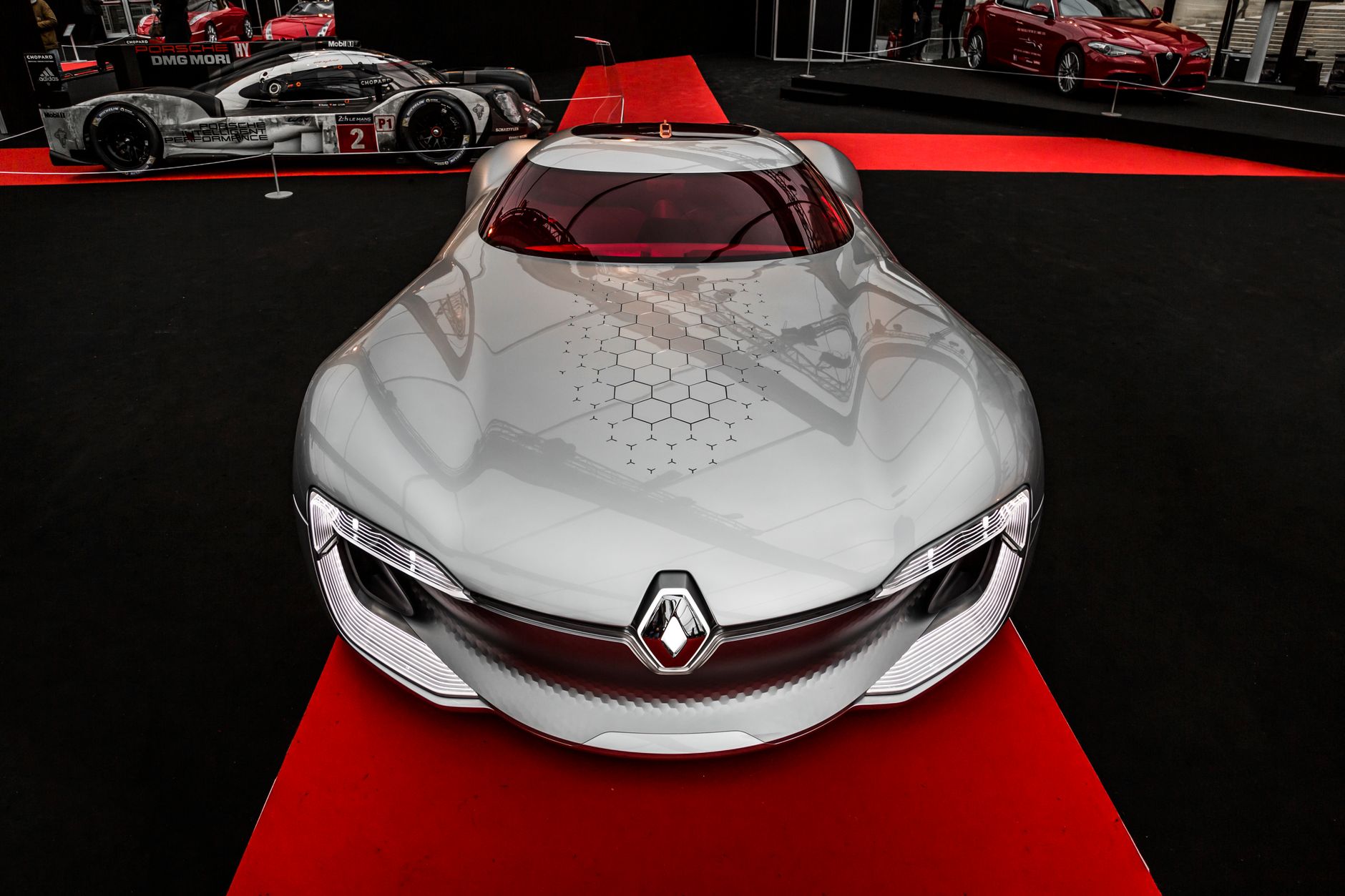
Photo by Quentin Martinez on Pexels