Electric Tractor Policy: The Proven Roadmap for India’s Future
Electric Tractor Policy is a crucial initiative in India aimed at decarbonizing agriculture. This roadmap outlines the government’s plans for subsidies and support for electric tractors, paving the way for a greener future.
Understanding India’s Electric Tractor Policy
India’s Electric Tractor Policy represents a significant step towards sustainable agriculture, aiming to reduce the carbon footprint of farming practices. This policy is designed to support the transition from conventional tractors to electric alternatives, promoting environmental responsibility while enhancing productivity.
Key objectives of the Electric Tractor Policy include:
- Incentivizing Adoption: The government plans to offer subsidies and financial incentives to farmers who choose electric tractors, making them more accessible.
- Research and Development: Emphasis on R&D will drive innovation in electric tractor technology, ensuring efficiency and reliability.
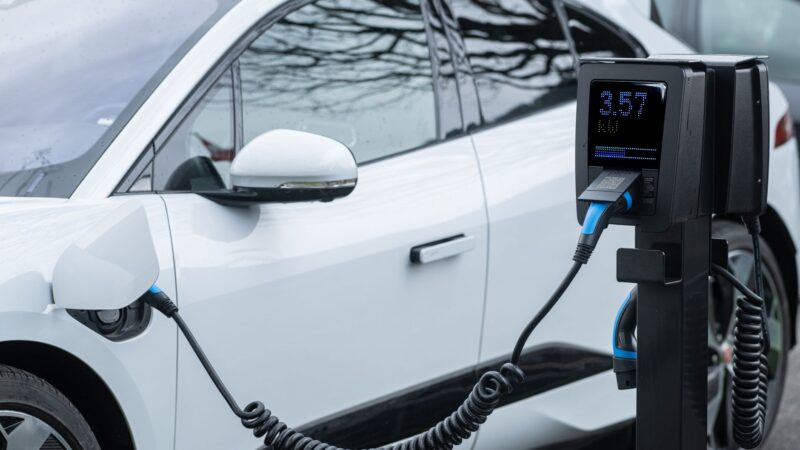
- Infrastructure Development: The policy outlines plans for expanding charging infrastructure across rural areas, addressing one of the primary concerns for electric vehicle adoption.
- Environmental Impact: By reducing reliance on fossil fuels, the policy aims to lower greenhouse gas emissions and promote cleaner air for rural communities.
Overall, India’s Electric Tractor Policy is a roadmap for a greener agricultural future, aligning with the nation’s broader sustainability goals.
The Importance of Decarbonizing Agriculture
The transition to sustainable farming practices is essential for the future of agriculture in India. Decarbonizing agriculture plays a crucial role in reducing greenhouse gas emissions, improving air quality, and promoting a healthier environment. The Electric Tractor Policy is a key component of this transition, offering farmers innovative solutions to minimize their carbon footprint.
Implementing electric tractors can lead to significant benefits, including:
- Cost Efficiency: Electric tractors are generally more cost-effective to operate compared to their diesel counterparts, providing farmers with savings on fuel expenses.
- Reduced Emissions: By utilizing electric tractors, farmers can contribute to lower emissions, aligning with global efforts to combat climate change.
- Enhanced Productivity: The Electric Tractor Policy promotes advancements in technology, ensuring farmers have access to more efficient and reliable machinery.
- Support for Local Economies: The electrification of agriculture can create job opportunities in manufacturing, maintenance, and infrastructure development.
Ultimately, the Electric Tractor Policy serves as a proven roadmap to foster sustainable practices within the agricultural sector, paving the way for a greener future.
Subsidies for Electric Tractors Explained
The Indian government’s Electric Tractor Policy includes a variety of subsidies aimed at promoting the adoption of electric tractors among farmers. These subsidies are designed to make electric tractors more affordable and accessible, addressing the financial barriers that many farmers face.
Key aspects of the subsidies include:
- Direct Financial Assistance: Farmers can receive significant monetary support when purchasing electric tractors, which can cover a portion of the total cost.
- Low-Interest Loans: The policy provides options for low-interest loans, allowing farmers to finance their electric tractors without incurring high debt.
- Incentives for Technology Adoption: Additional incentives are offered for farmers who adopt advanced technologies related to electric tractors, further promoting innovation in agriculture.
These subsidies not only aim to encourage the transition to electric tractors but also play a crucial role in reducing greenhouse gas emissions, ultimately contributing to a more sustainable agricultural sector in India.
Challenges in Implementing Electric Tractors
The implementation of the Electric Tractor Policy in India faces several challenges that could hinder its effectiveness. These challenges range from infrastructural issues to market readiness, which could delay the transition to electric tractors.
- Infrastructure Development: A robust charging infrastructure is crucial for the widespread adoption of electric tractors. Currently, the lack of charging stations in rural areas poses a significant barrier.
- Cost of Investment: While subsidies are available, the initial investment for electric tractors remains higher than traditional models, making it less accessible for many farmers.
- Awareness and Education: Farmers may not be fully aware of the benefits and functionality of electric tractors. Without adequate education and outreach, the adoption rate may be slow.
- Technological Adaptation: Many farmers are accustomed to conventional tractors. Transitioning to electric models requires training and a shift in operational practices.
Addressing these challenges is essential for the success of the Electric Tractor Policy and achieving sustainable agricultural practices in India.
Success Stories from Early Adopters
As India embraces its Electric Tractor Policy, several early adopters have showcased remarkable success stories that highlight the potential of this initiative. These farmers have not only reduced their carbon footprint but have also experienced significant cost savings and increased productivity.
- Ramesh Kumar, a farmer from Punjab, reported a 40% reduction in fuel costs after switching to an electric tractor. His ability to cover more land in less time has boosted his overall yield.
- Sunita Devi, an innovator in Maharashtra, utilized the electric tractor for diverse farming activities, improving her farm’s efficiency and sustainability. She has become a local advocate for the Electric Tractor Policy, encouraging her peers to embrace this change.
- Rajesh Singh in Uttar Pradesh has seen a 30% increase in his farm’s profitability, attributing it to the lower maintenance costs associated with electric tractors.
These success stories not only demonstrate the viability of electric tractors but also provide a roadmap for others looking to transition towards more sustainable farming practices.
Future of Farming with Electric Tractors
The future of farming in India is poised for transformation with the implementation of the Electric Tractor Policy. This innovative approach not only aims to reduce carbon emissions but also enhances the efficiency and sustainability of agricultural practices.
Farmers stand to gain significantly from the transition to electric tractors, as these machines are designed to lower operational costs and provide a more reliable power source. The silent operation and reduced maintenance needs of electric tractors can also improve the working environment for farmers.
Moreover, the integration of technology in electric tractors, such as GPS and automated systems, can lead to better crop management and yield optimization. This shift will enable farmers to make data-driven decisions, ultimately increasing productivity.
As India embraces the Electric Tractor Policy, it sets a precedent for sustainable farming practices globally. The combination of government support, technological advancements, and the commitment of farmers will pave the way for a greener, more resilient agricultural sector.
Government Goals for Sustainable Agriculture
The Indian government has set ambitious goals to promote sustainable agriculture through the Electric Tractor Policy, aiming to reduce the carbon footprint of farming. These initiatives not only focus on environmental sustainability but also enhance productivity and economic viability for farmers.
Key goals include:
- Reduction of Emissions: The policy aims to cut greenhouse gas emissions from the agriculture sector by encouraging the adoption of electric tractors.
- Increased Efficiency: By transitioning to electric tractors, the government seeks to improve operational efficiency and reduce fuel costs for farmers.
- Empowerment of Farmers: The initiative is designed to empower farmers through access to advanced technology and financial subsidies, ensuring a smoother transition to electric options.
- Support for Research and Development: The policy promotes innovation in electric tractor technology, facilitating the development of more efficient and affordable solutions.
Through these goals, the Electric Tractor Policy represents a significant step towards achieving a sustainable and resilient agricultural sector in India.
How Farmers Can Benefit from Electric Tractors
The implementation of the Electric Tractor Policy offers numerous benefits for farmers, significantly transforming their agricultural practices. With the shift towards electric tractors, farmers can expect the following advantages:
- Cost Savings: Electric tractors have lower operational costs due to reduced fuel expenses and maintenance requirements, allowing farmers to save money over time.
- Enhanced Efficiency: These tractors are designed to operate efficiently, providing better performance and productivity in the field, leading to increased crop yields.
- Environmental Impact: By using electric tractors, farmers contribute to reducing carbon emissions, aligning with the goals of the Electric Tractor Policy and promoting sustainable farming practices.
- Access to Subsidies: The government’s financial support makes electric tractors more accessible, enabling farmers to invest in modern technology without a significant upfront cost.
- Technological Advancements: Electric tractors often come equipped with advanced features, improving precision farming techniques and overall farm management.
Ultimately, the Electric Tractor Policy is paving the way for a more sustainable and economically viable farming future in India.