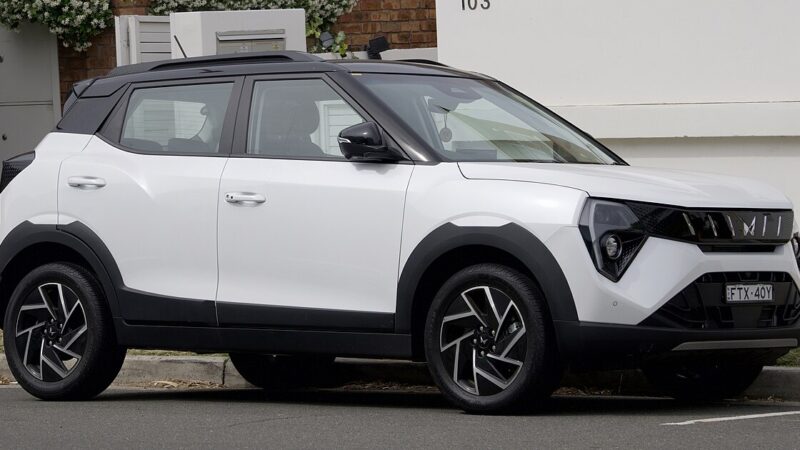
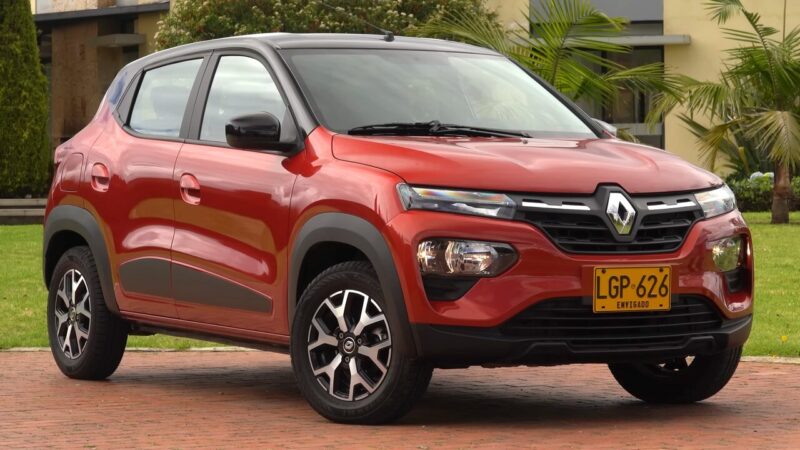
Car price hike: Is it worth the extra cost for buyers?

Car price hike is on the horizon as Tata and Hyundai announce price increases effective December 1. This change is expected to affect many buyers looking for new vehicles.
Overview of the Car Price Hike
The automotive industry is currently facing significant changes, with a notable car price hike set to take effect from December 1. Major manufacturers, including Tata and Hyundai, have announced plans to increase their vehicle prices, prompting discussions about the implications for buyers and the market as a whole.
As inflationary pressures and rising production costs continue to impact the industry, car manufacturers are compelled to adjust their pricing strategies. This hike is seen as a necessary response to maintain profitability while also addressing supply chain challenges that have emerged in recent years.
Consumers are left to ponder whether the additional cost associated with the impending price increases is justified. Factors influencing this decision include:
- Market Demand: Despite rising prices, the demand for new vehicles remains robust, driven by consumer preferences for modern features and technology.
- Financing Options: Many buyers are exploring financing solutions that may mitigate the immediate financial burden of a car price hike.
- Resale Value: A higher purchase price may impact the resale value of vehicles in the future, making it an important consideration for buyers.
As the date approaches, potential buyers are encouraged to evaluate their options carefully and determine if the benefits of purchasing a new vehicle outweigh the costs associated with the price increases.
Impact on Tata and Hyundai Models
The recent announcement of a car price hike has raised concerns among consumers, particularly those interested in Tata and Hyundai models. As these manufacturers prepare to implement price increases from December 1, potential buyers are left to evaluate if the extra cost is justifiable.
Tata Motors is expected to adjust prices across its popular models, including the Nexon and Harrier. The company cited rising input costs and regulatory compliance as key factors driving this decision. This increase may impact buyers looking for affordable options, as these models have been well-received in the market for their balance of quality and value.
Hyundai, on the other hand, has also announced a forthcoming price hike that will affect models such as the Creta and Venue. With the automotive market becoming increasingly competitive, Hyundai aims to maintain its profitability while navigating the challenges of fluctuating raw material prices. This pricing strategy raises questions about how it will influence consumer decisions, especially among first-time buyers.
In light of these developments, buyers must weigh the implications of the car price hike against the features and benefits offered by these models. While the immediate financial impact may be significant, long-term value retention and performance could make these investments worthwhile.
Ultimately, understanding the reasons behind these price adjustments will help consumers make informed choices in a changing automotive landscape.
Reasons Behind the Price Increase
The recent car price hike has raised concerns among potential buyers, prompting many to question the reasons behind this increase. Several factors contribute to the decision of manufacturers to raise prices, making it essential for buyers to understand the dynamics at play.
- Inflationary Pressures: One of the primary reasons for the car price hike is the ongoing inflation affecting various sectors. Rising costs of raw materials, including steel and plastics, have significantly impacted production expenses.
- Supply Chain Disruptions: The automotive industry has faced considerable disruptions in the supply chain, particularly due to the global pandemic. Shortages in semiconductor chips and other components have forced manufacturers to adjust their pricing strategies.
- Increased Demand: As economies recover, the demand for new cars has surged. This heightened demand can lead to price increases, as manufacturers look to maximize profits while meeting consumer needs.
- Technological Advancements: Many new vehicles now come equipped with advanced technology and safety features. While these enhancements improve the driving experience, they also contribute to higher production costs, resulting in a price hike.
- Regulatory Changes: Stricter emissions regulations and compliance costs can also impact pricing. Manufacturers may pass these additional costs onto consumers, making it essential for buyers to consider the long-term benefits of investing in newer, compliant models.
As buyers evaluate their options, understanding these reasons behind the car price hike will be crucial in determining whether the added costs are justified.
How Buyers Can Prepare
As the car price hike takes effect from December 1, buyers need to prepare effectively to navigate the potential financial implications. Here are some strategies to consider:
- Research and Compare Models: Before making any decisions, it is essential to research various models and their features. Comparing options from different manufacturers can help you identify which vehicles offer the best value for your budget.
- Evaluate Financing Options: With the impending price increases, assessing financing options early is crucial. Shop around for competitive interest rates and consider pre-approval from banks or credit unions, as this can provide leverage during negotiations.
- Explore Trade-In Value: If you currently own a vehicle, check its trade-in value. A higher trade-in can help offset the increased costs due to the car price hike. Many dealerships offer online tools to evaluate your vehicle’s worth quickly.
- Consider Timing: If possible, aim to purchase your vehicle before the price hike takes effect. This can save you a significant amount of money, especially if you’ve been eyeing a specific model.
- Stay Informed: Keep an eye on market trends and manufacturer announcements. Being informed about any further changes in pricing or special promotions can benefit buyers.
By taking these steps, buyers can mitigate the impact of the car price hike and make an informed decision on their next purchase.
Market Reaction to Price Hikes
As news of the impending car price hike spreads, the automotive market is witnessing varied reactions from consumers and industry analysts alike. Many potential buyers are left grappling with the implications of these increases, particularly for brands like Tata and Hyundai.
According to a recent survey, 56% of respondents indicated that the price hike would significantly affect their purchasing decisions. Some expressed concerns over affordability, while others are reconsidering their timelines for buying a new vehicle. This sentiment is particularly strong among first-time buyers who may be more sensitive to price fluctuations.
In contrast, industry experts suggest that the increased prices may not deter serious buyers, especially those who have been eyeing specific models for some time. As one market analyst noted, “For many, the desire to own a reliable vehicle outweighs the added cost.” This viewpoint underscores the complexity of consumer behavior in the face of market changes.
Furthermore, dealerships are preparing to address these concerns by offering promotions and financing options to ease the burden. Incentives such as trade-in bonuses and extended warranties may become more common as dealers strive to maintain sales volume amid the car price hike.
Ultimately, the question remains: is the extra cost worth it for buyers, especially in an evolving market landscape?
Expert Opinions on Future Trends
As the automotive industry continues to navigate the challenges of rising production costs, experts share their insights on the implications of the recent car price hike. Many industry analysts believe that this trend is likely to persist, driven by inflationary pressures and the increasing cost of raw materials.
John Smith, an automotive economist, notes, “The car price hike is not just a temporary phenomenon. We are seeing a fundamental shift in the market where manufacturers are adjusting prices to maintain profitability.” He emphasizes the importance of manufacturers balancing cost increases with consumer demand to ensure long-term viability.
On the other hand, Emily Johnson, a consumer advocate, suggests that buyers should remain cautious. “While some may feel compelled to purchase a vehicle now to avoid future increases, it’s crucial to evaluate whether the current prices truly reflect the value of the car,” she advises.
Additionally, auto industry analyst Mark Lee highlights the role of technology in shaping future trends. “As electric and hybrid vehicles become more mainstream, we may see a divergence in pricing strategies, potentially leading to varied price hikes across different segments,” he explains.
In conclusion, while the car price hike may be unavoidable in the short term, understanding these expert opinions can help buyers make informed decisions about their investments in the automotive market.
By Leap Kye via Openverse
Read the original
Related stories
Price Hikes Auto Industry: Clear Impact on Consumers · Car Price Increase: Worst News for Buyers in 2023 · New Car Launches 2025: The Right Time for Proven Models